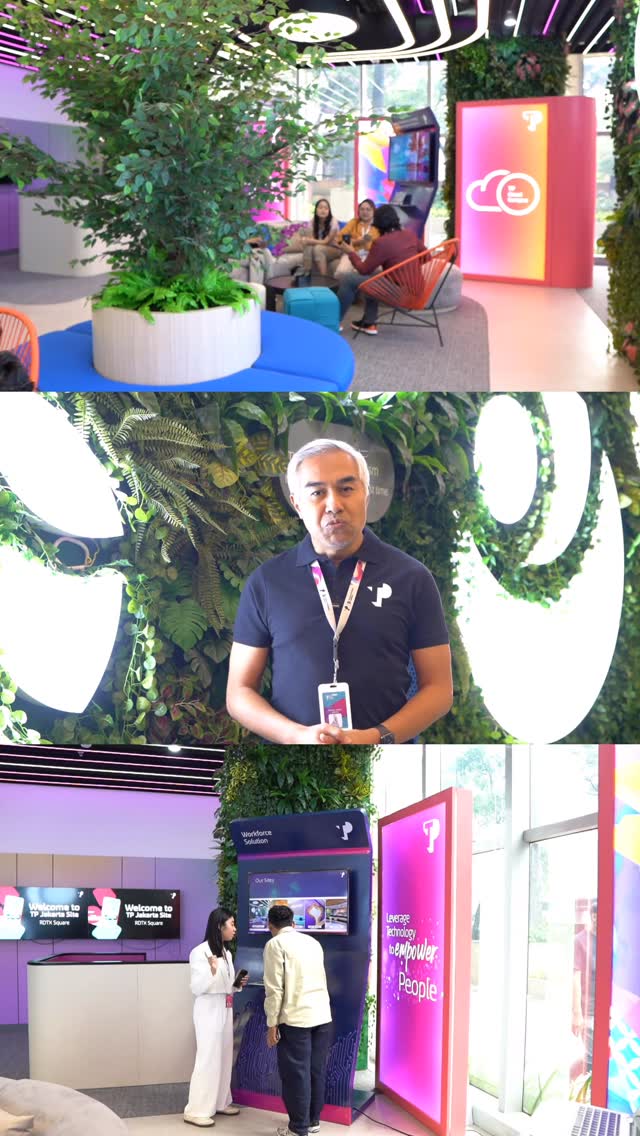


The Green Office Advantage
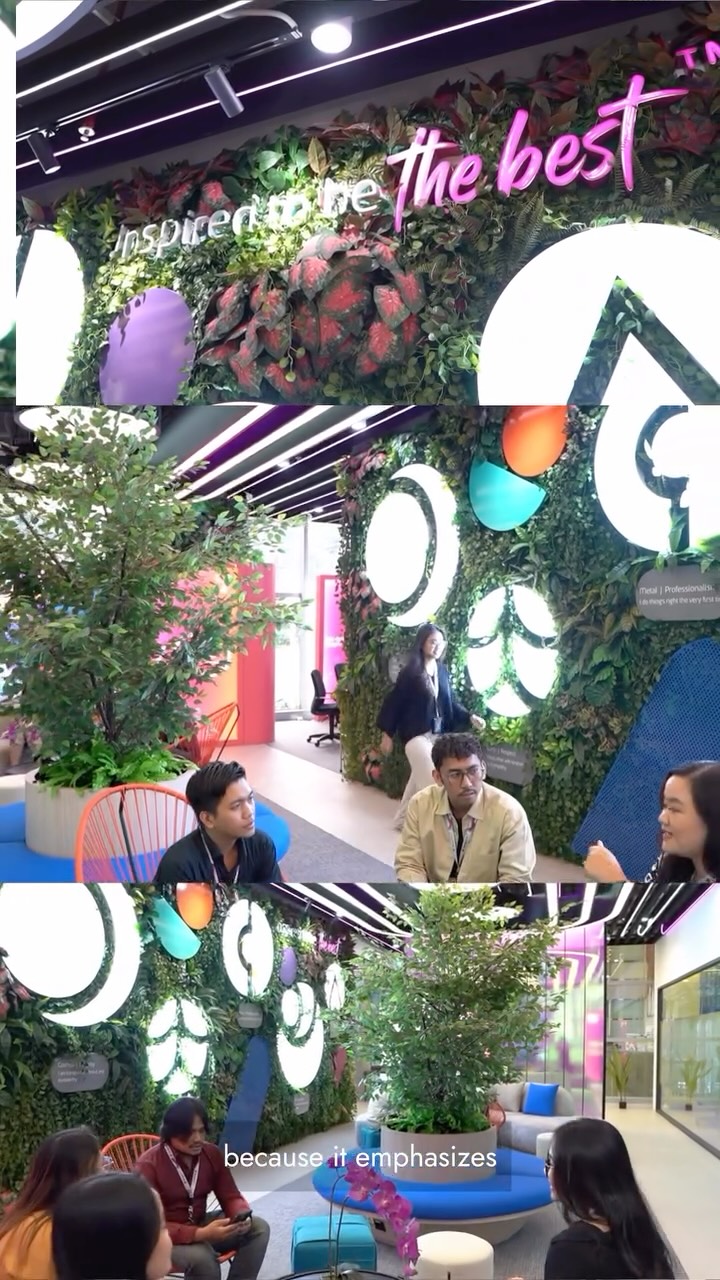
Plants in offices are more than decoration—they’re strategic wellness investment delivering measurable benefits: improved air quality (NASA research shows plants removing toxins), increased productivity (15% boost in studies), reduced stress and anxiety, enhanced creativity, lower absenteeism, and acoustic absorption. Yet many offices either avoid plants entirely (fear of maintenance) or choose wrong varieties (high-maintenance tropicals dying within weeks, creating depressing effect opposite of intention). After integrating plants into hundreds of office designs across tropical Asia, we’ve learned which species thrive in office conditions, how many plants to include, placement strategies maximizing benefits, and maintenance approaches ensuring long-term success. This comprehensive guide provides framework for successful office plant programs transforming sterile workspaces into vibrant, health-supporting environments.Understanding Biophilic Design
Biophilia hypothesis suggests humans have innate connection to nature. Biophilic design intentionally incorporates natural elements into built environments improving occupant wellbeing. Research-Backed Benefits: University of Queensland study found plants increased productivity 15%, University of Exeter research showed plants reduced sick days, Texas A&M research demonstrated enhanced creativity, and multiple studies confirmed stress reduction and improved mood. Key Principles: - Direct nature connection (living plants) - Indirect nature connection (natural materials, colors, patterns) - Space and place conditions (views, refuges, natural light) Plants are most accessible, cost-effective biophilic intervention.Best Office Plant Varieties
- Snake Plant (Sansevieria trifasciata)
- Pothos (Epipremnum aureum)
- ZZ Plant (Zamioculcas zamiifolia)
- Spider Plant (Chlorophytum comosum)
- Peace Lily (Spathiphyllum)
- Rubber Plant (Ficus elastica)
- Monstera Deliciosa
- Bamboo Palm (Chamaedorea seifrizii)
- Aloe Vera
- Fiddle Leaf Fig (Ficus lyrata)