Quick answer
How do you soundproof an office?
Soundproof an office using high-NRC acoustic ceiling tiles, wall and baffle panels, carpet, full-height insulated walls, acoustic glass and solid-core doors, phone booths, dedicated quiet zones, and sound masking systems. Combine these physical treatments with behavioral policies like designated phone-call areas and respectful volume norms.
Key Takeaways
- 01Office noise reduces complex task performance by 66% while increasing stress hormones and impairing concentration.
- 02Sound masking improves acoustic privacy 30-50% and is less disruptive than white noise in open offices.
- 03Acoustic materials should target NRC 0.70-0.95, with meeting rooms reaching STC 45-50.
The Silent Productivity Killer
Noise is the #1 complaint in modern offices, particularly open-plan environments. Studies show office noise reduces complex task performance by 66%, increases stress hormones significantly, impairs memory and concentration, reduces motivation and engagement, and creates cumulative fatigue affecting work quality.
Yet many companies ignore acoustic problems until employee complaints escalate or productivity metrics decline. The financial impact is staggering—for 100-person company, noise-related productivity loss can represent millions in lost value annually.
After designing 500+ offices and solving countless acoustic challenges across Singapore, Malaysia, and Indonesia, we've developed comprehensive frameworks for creating acoustically comfortable workplaces that enable focus, collaboration, and wellbeing.
Understanding Office Acoustics Fundamentals
Before implementing solutions, understand key acoustic concepts:
How sound travels between spaces through walls, floors, ceilings, doors, and air gaps.
How materials absorb rather than reflect sound energy, reducing reverberation.
Adding ambient background sound to reduce distraction from intermittent noise.
How long sound persists in space after source stops—shorter is better for speech intelligibility.
Ensuring conversations can't be overheard in adjacent spaces.
Effective acoustic design addresses all these factors systematically.
Common Office Noise Problems and Sources
Sources: phone conversations, meetings, keyboard/mouse clicks, movement/footsteps, equipment (printers, HVAC), and eating/snacking.
Impact: Constant low-level distraction fragments attention, making focus work extremely difficult.
Sound from meetings audible in adjacent areas, confidential discussions compromised, and distraction to nearby workers.
Humming, vibration, and airflow sounds create ambient noise raising stress levels.
Conversations between 10-15 feet away clearly audible, inability to have confidential discussions, and constant awareness of others' conversations distracting.
Hard surfaces everywhere (glass, concrete, hard flooring) cause sound to bounce repeatedly, creating noise amplification and poor speech intelligibility.
Comprehensive Soundproofing Solutions
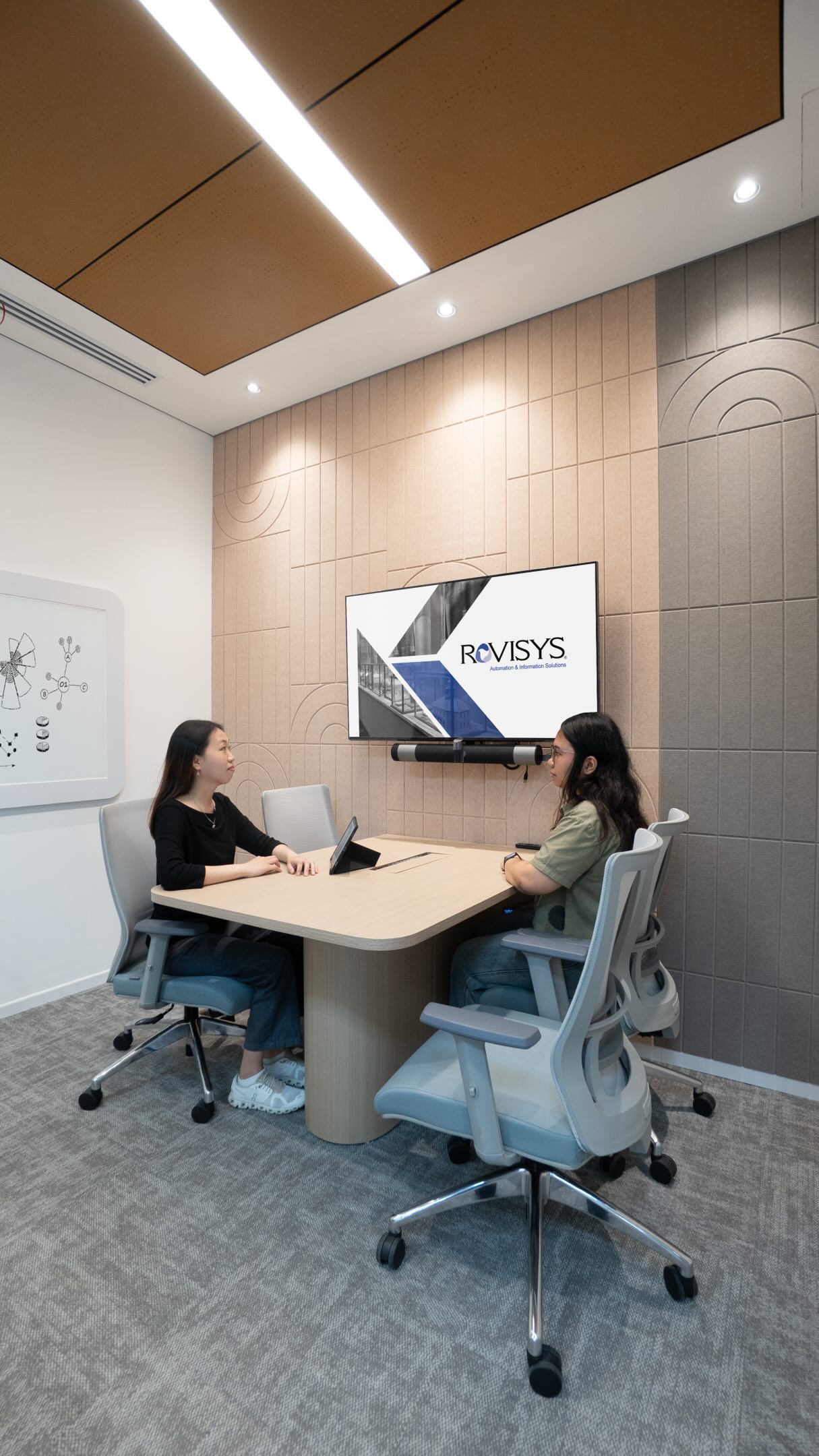
Install high NRC (Noise Reduction Coefficient) ceiling tiles (NRC 0.70-0.95). These dramatically reduce reverberation, easy retrofit in existing spaces, and cost-effective solution.
Fabric-wrapped acoustic panels on walls, decorative and functional, various colors and patterns available, and high-impact areas: above workstations, in meeting rooms.
Suspended from ceiling, effective in high-ceiling spaces, create visual interest while absorbing sound, and particularly good for open offices.
Reduces footstep noise significantly, absorbs sound from below, and warmer, more comfortable feel than hard surfaces.
Soft seating acts as sound absorption, choose fabric over leather/vinyl, and adds substantial absorption throughout space.
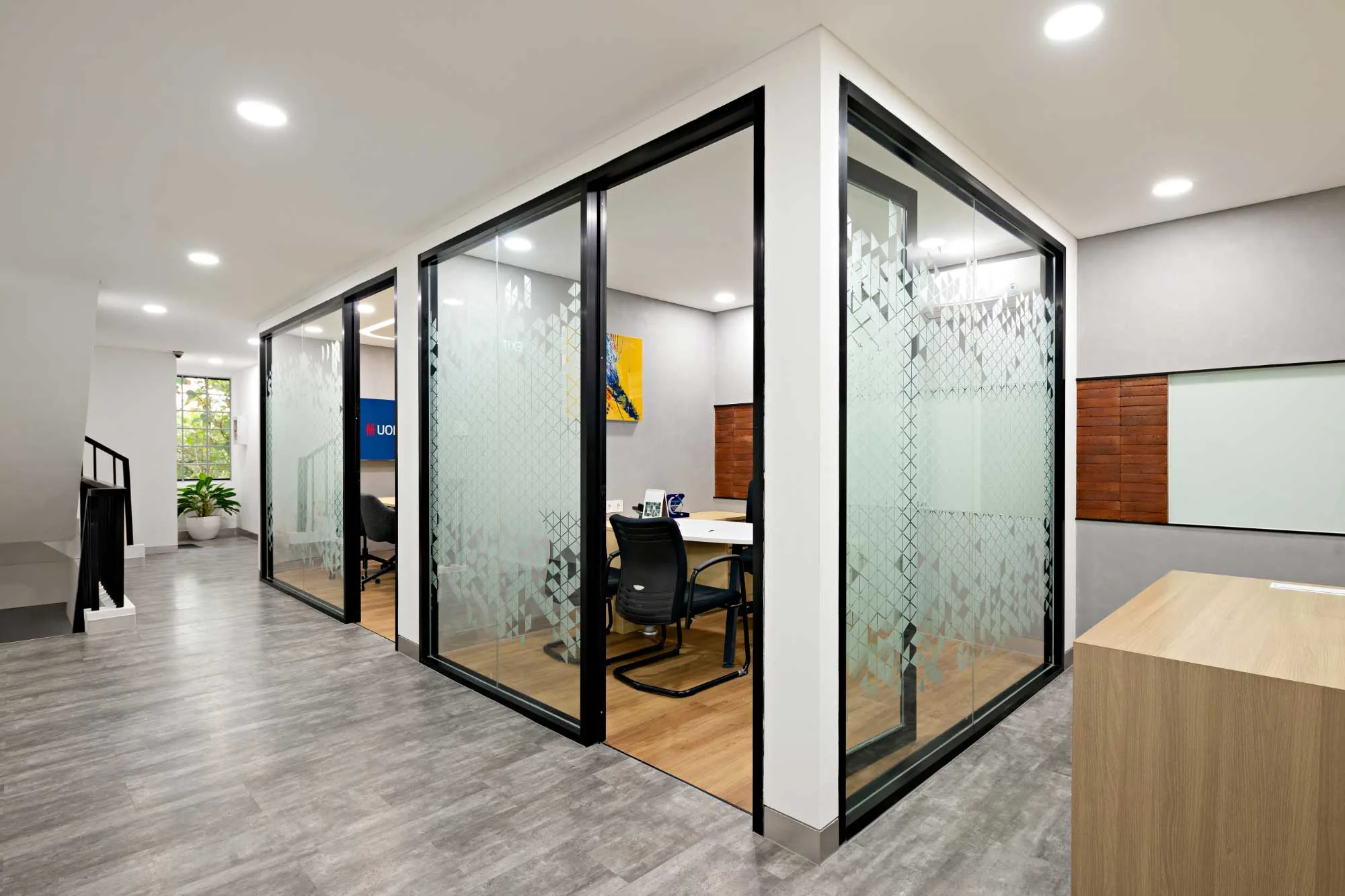
Floor-to-ceiling walls provide best sound transmission reduction, use appropriate construction (double drywall, insulation), and seal all gaps and penetrations carefully.
Purpose-designed movable walls with sound-reducing properties, flexibility with performance, and useful for reconfigurable spaces.
Laminated glass with acoustic interlayer, maintains transparency while reducing sound transmission, and ideal for meeting rooms and managers' offices.
Solid-core doors with acoustic seals, automatic door bottoms preventing sound gaps, and high STC (Sound Transmission Class) ratings.
Single-person enclosed booths for calls, contain speaker's voice, protect others from noise, and essential in open offices.
Typical specs: acoustic lining (NRC >0.80), ventilation preventing stuffiness, power/data for devices, and compact footprint (3-4 sq ft).
Small 1-2 person spaces for concentrated work, acoustic treatment similar to meeting rooms, and booking systems preventing conflicts.
Designated no-talking areas, acoustic treatment minimizing ambient noise, visual screening, and strict enforcement of quiet policy.
Speakers distributed throughout ceiling emit carefully engineered background sound (similar to soft airflow), raising ambient sound floor making conversations less intelligible at distance, reduces distraction from intermittent noises.
Proven to improve acoustic privacy 30-50%, less disruptive than white noise, and particularly effective in open offices.
Professional installation required for optimal results, tuning to specific space characteristics, and integrate with overall acoustic strategy.
Separate noisy functions (phone areas, collaboration zones) from quiet work areas using buffer zones or distance.
High panels or shelving between workstations, staggered desk arrangements reducing direct sightlines/sound paths, and furniture itself providing sound absorption.
Maintain minimum distances between potentially conflicting uses—collaboration area to focus zone: 20+ feet; phone booths to quiet desks: 15+ feet.
Solution-by-Space Type
- Acoustic ceiling tiles (essential)
- Acoustic panels on nearby walls
- Low panels between desks (48-54")
- Carpet flooring
- Sound masking system
- Nearby phone booths
- Full-height walls to deck
- Acoustic glass if transparency needed
- Acoustic ceiling and wall treatment
- Solid-core door with seals
- Carpet or soft flooring
- Minimize hard reflective surfaces
- Full-height walls
- Acoustic door with seals
- Standard acoustic ceiling
- Balance absorption (don't over-deaden)
- Some acoustic treatment to prevent excess reverberation
- Separated from focus areas
- Allow animated conversation without guilt
- Acoustic treatment preventing echo
- Strategic zoning of traffic patterns
- Sound masking if needed
Measuring Acoustic Performance
0.0 = reflects all sound
1.0 = absorbs all sound
Target: 0.70-0.95 for acoustic materials
Higher = better sound blocking
Target: STC 45-50 for meeting rooms, STC 40-45 for private offices
Seconds for sound to decay 60 decibels
Target: 0.6-0.8 seconds for offices
Acoustic consultants can measure and recommend improvements based on data.
Budget-Friendly Acoustic Improvements
Not all solutions require major investment:
- Add desk screens/dividers
- Introduce soft furnishings
- Establish quiet zones
- Behavioral norms and etiquette
- Acoustic ceiling tile upgrade
- Wall panels in key areas
- Several phone booths
- Carpet in work areas
- Full acoustic ceiling
- Extensive wall treatments
- Multiple phone booths
- Sound masking system
- Acoustic glass in meeting rooms
ROI on acoustic investments is strong—productivity improvements typically justify costs within 6-12 months.
Common Mistakes in Office Soundproofing
Beautiful design with all hard surfaces creates acoustic nightmare.
Adding few decorative panels doesn't solve fundamental acoustic problems.
Walls not extending to deck, gaps around doors, allowing sound transmission.
Using residential instead of commercial acoustic products, or decorative foam without real acoustic performance.
Overlooking HVAC and equipment sounds that create constant background noise.
Working with Acoustic Specialists
Complex acoustic problems benefit from professional expertise:
- New office design or major renovation
- Persistent noise complaints despite attempts to fix
- Critical acoustic requirements (recording studios, call centers)
- Budget justification for acoustic investments
- Regulatory compliance requirements
- Acoustic testing and measurement
- Problem diagnosis and recommendations
- Specification of appropriate materials
- Verification of performance after installation
Regional Considerations: Southeast Asia
- High humidity affects some acoustic materials
- Air conditioning systems can be noisy
- Large windows and glass common (hard surfaces)
- Asian offices sometimes noisier than Western counterparts
- Phone conversations on speaker common in some cultures
- Different personal space expectations
- Some specialized acoustic products require import
- Local alternatives may have different performance
- Installation expertise varies by market
Behavioral and Policy Solutions
Physical solutions combine with cultural approaches:
- Phone calls in designated areas/booths
- Respectful volume in conversations
- Headphones for music/videos
- Conference calls in enclosed spaces
- Designated times for focus work
- Limited meetings during quiet periods
- Team norms around disruption
- Leadership models appropriate behavior
- Managers enforce policies consistently
- Cultural reinforcement through recognition
Case Study: Open Office Acoustic Transformation
- Acoustic ceiling tiles throughout (NRC 0.85)
- Wall panels in high-impact zones
- 12 phone booths strategically placed
- Sound masking system
- Carpet in work areas
- Quiet zone designation
- Noise complaints declined 78%
- Productivity metrics improved 24%
- Employee satisfaction +42 points
- Recruitment conversion improved
- ROI achieved in 8 months through productivity gains
Conclusion: Silence is Golden
Office acoustic quality profoundly impacts productivity, wellbeing, and business performance. Yet many organizations tolerate poor acoustics, accepting noise as inevitable byproduct of modern office design.
It's not. Through systematic acoustic treatment—absorption, barriers, dedicated quiet spaces, sound masking, and thoughtful planning—even challenging open offices can achieve acoustic comfort enabling focus and collaboration.
The investment in acoustic solutions delivers exceptional ROI through productivity improvements, reduced stress, enhanced satisfaction, and competitive recruitment advantage.
At AI Associates, acoustic excellence is standard in all our office designs. We've solved acoustic challenges in projects from Singapore to Jakarta, creating comfortable sound environments that work beautifully and quietly.
Don't accept noise as inevitable. Let's discuss how comprehensive acoustic design can transform your workplace into quiet, productive environment where people can focus, collaborate, and thrive.