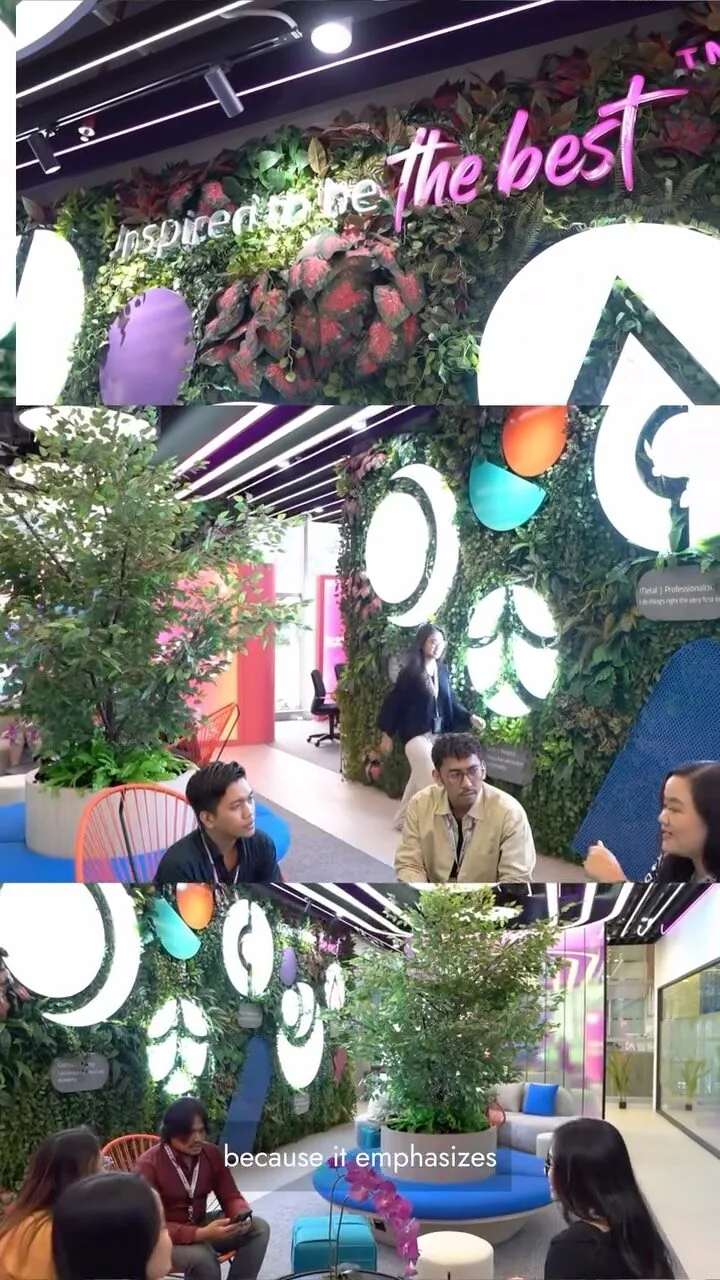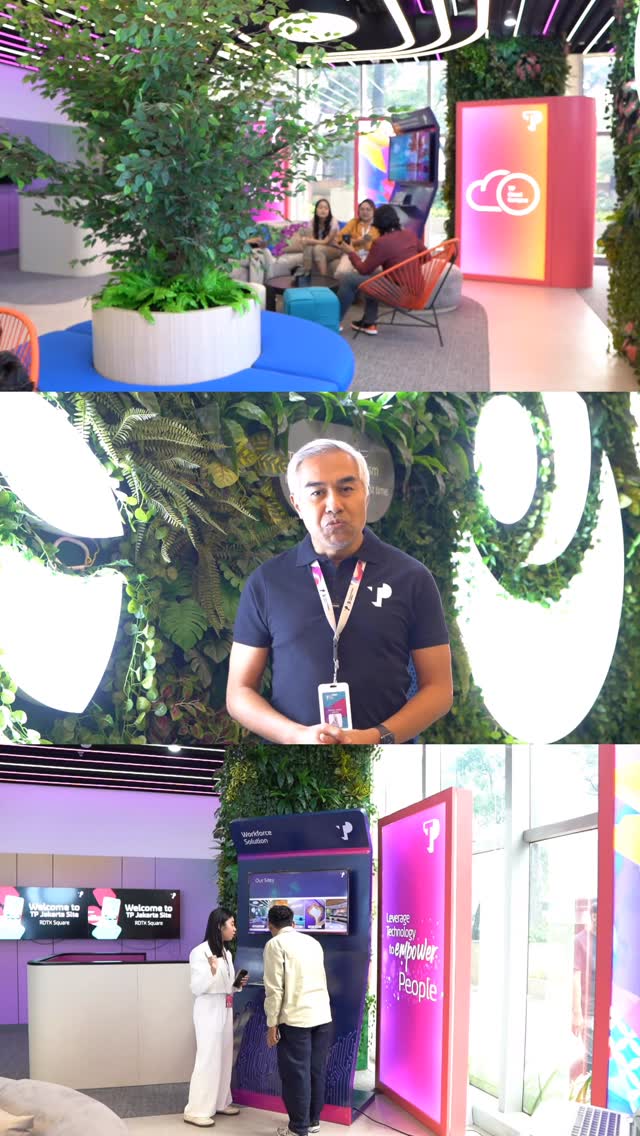

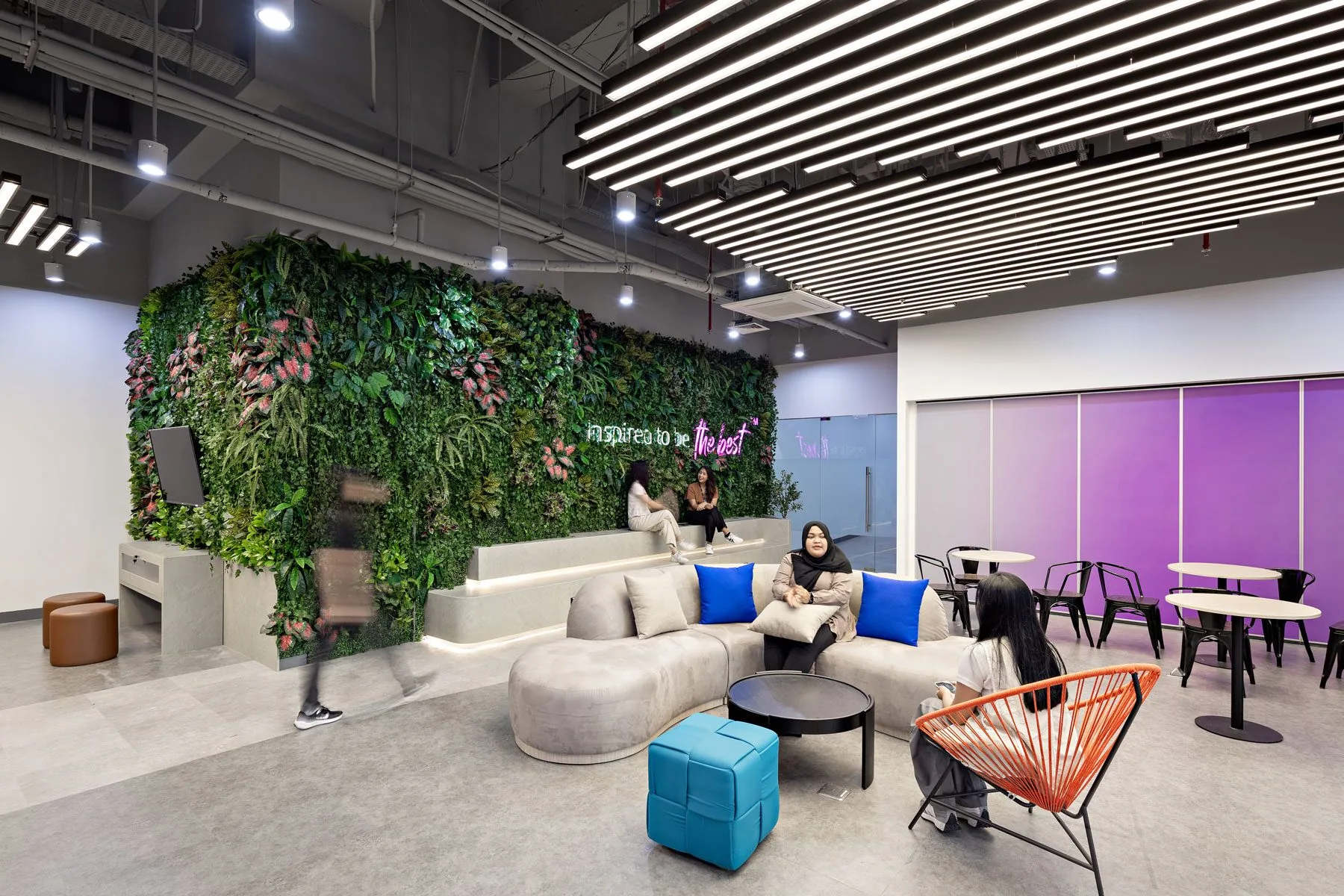
Quick answer
How do multinational companies keep office design consistent across countries?
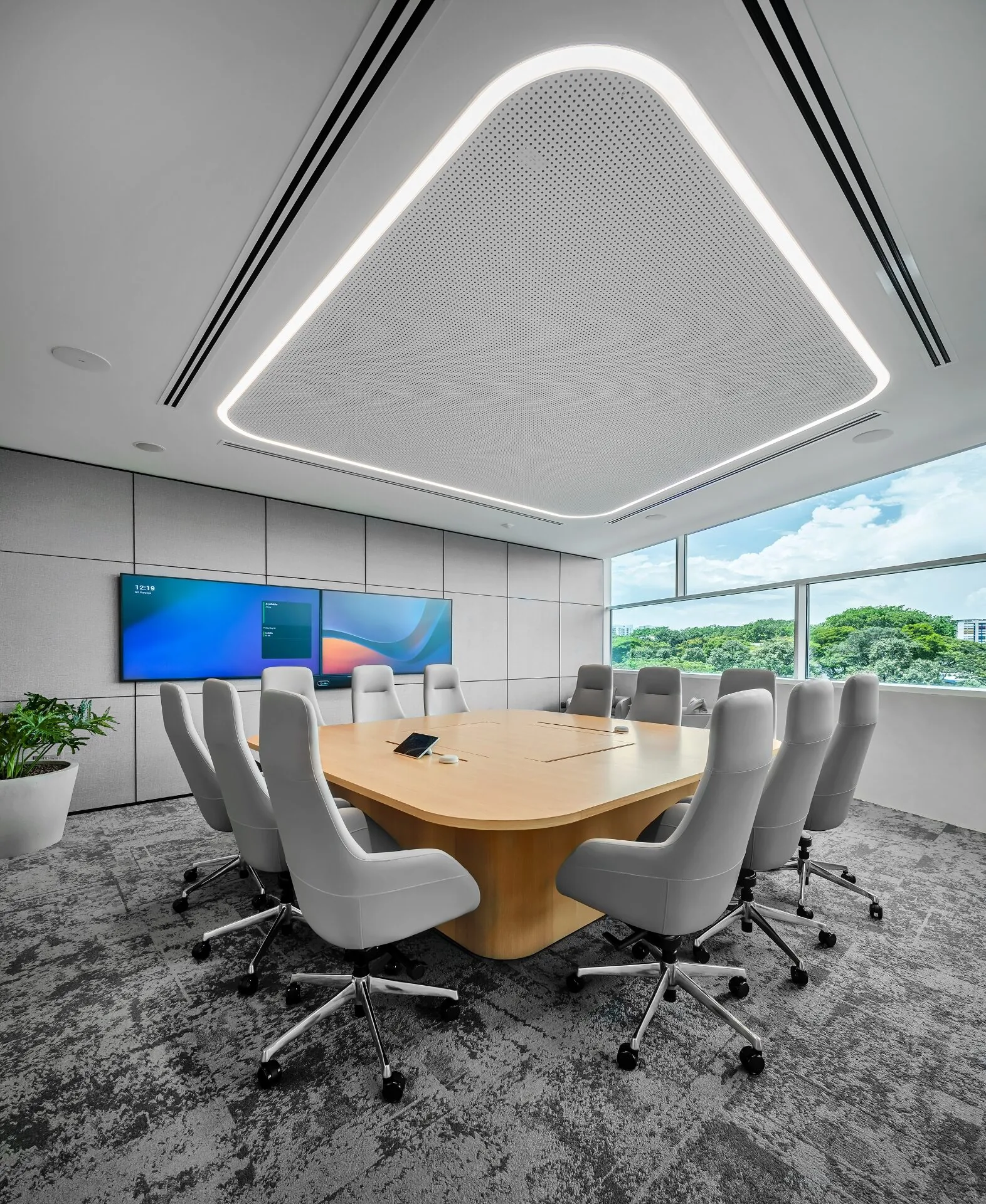
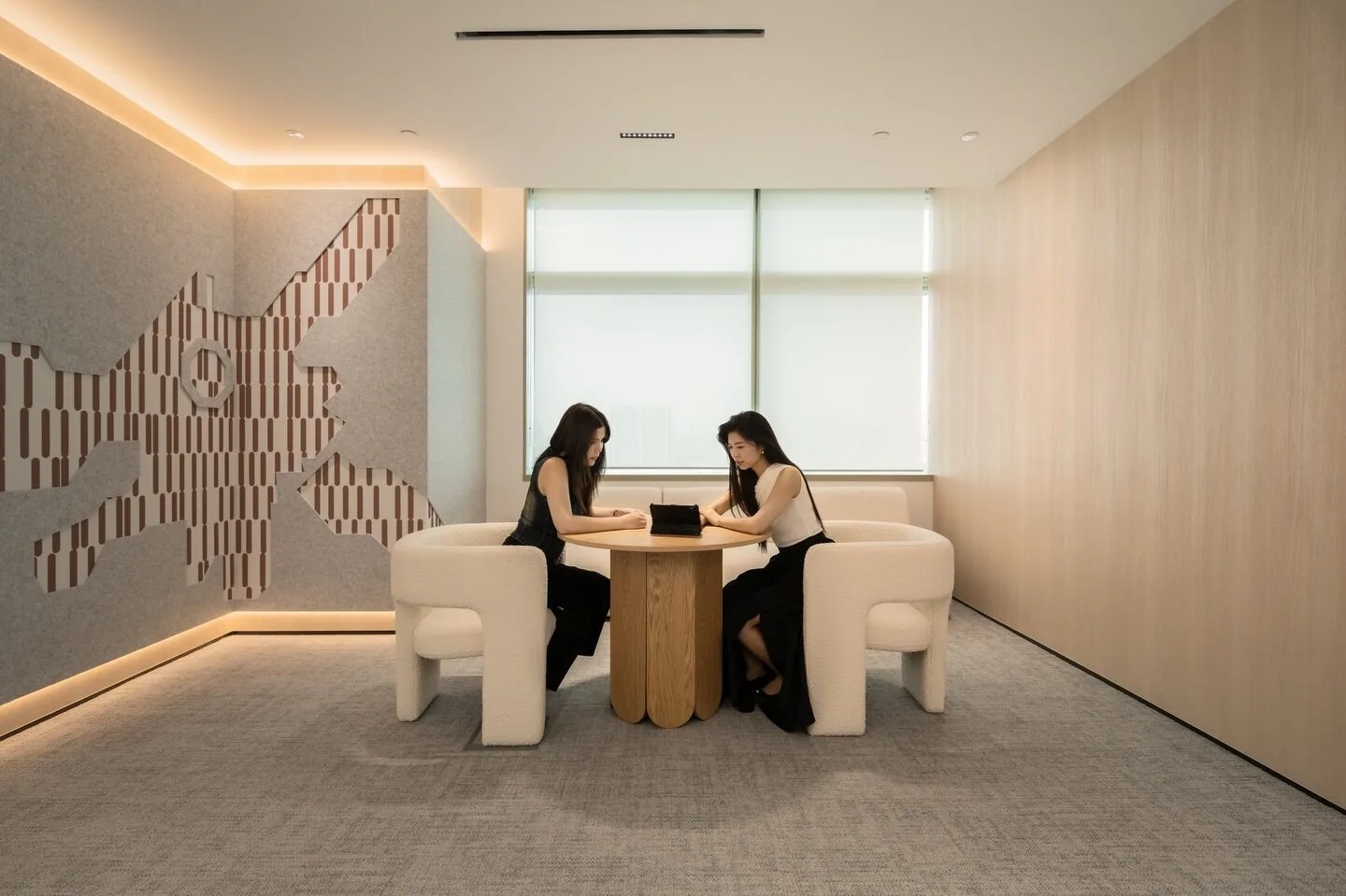
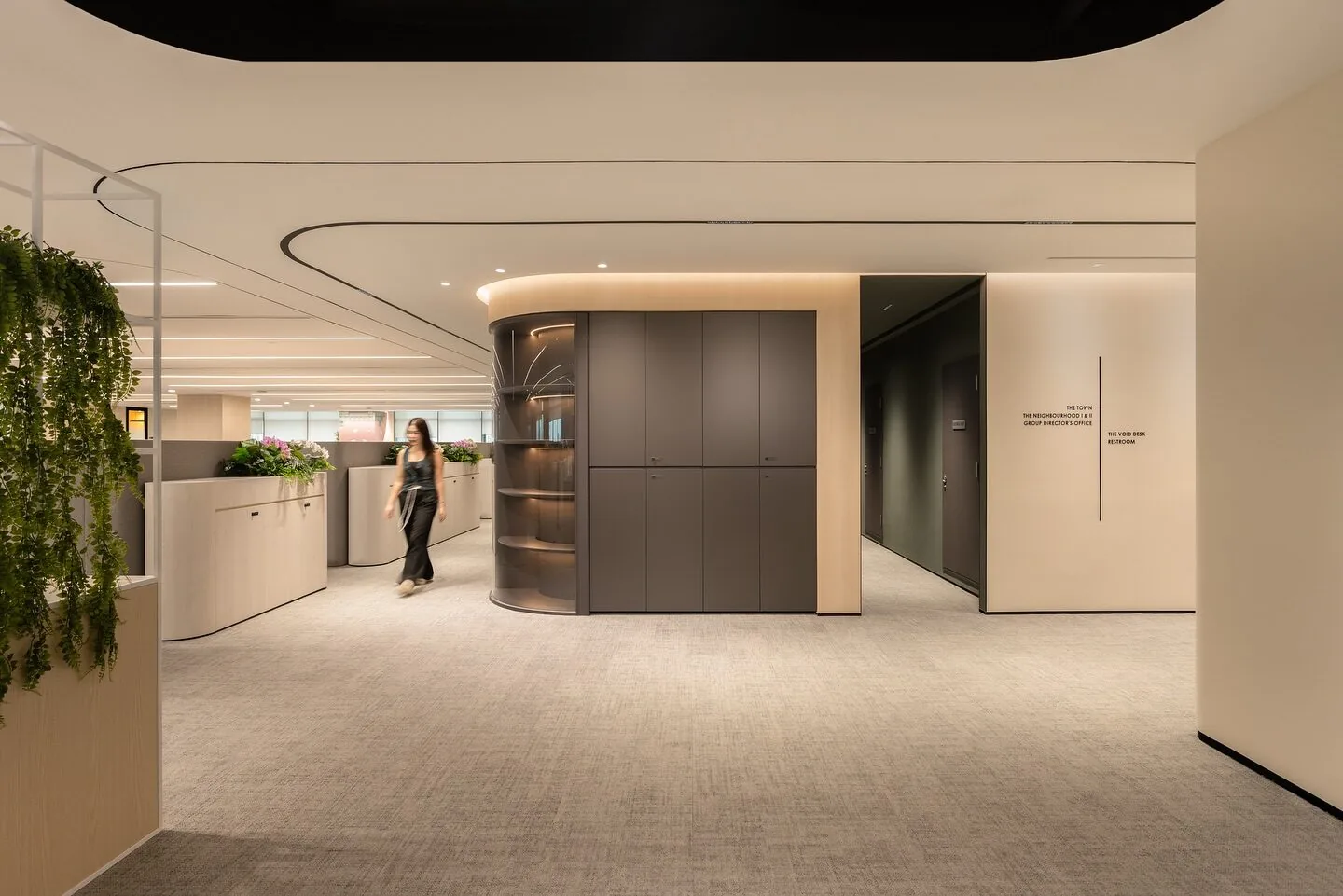
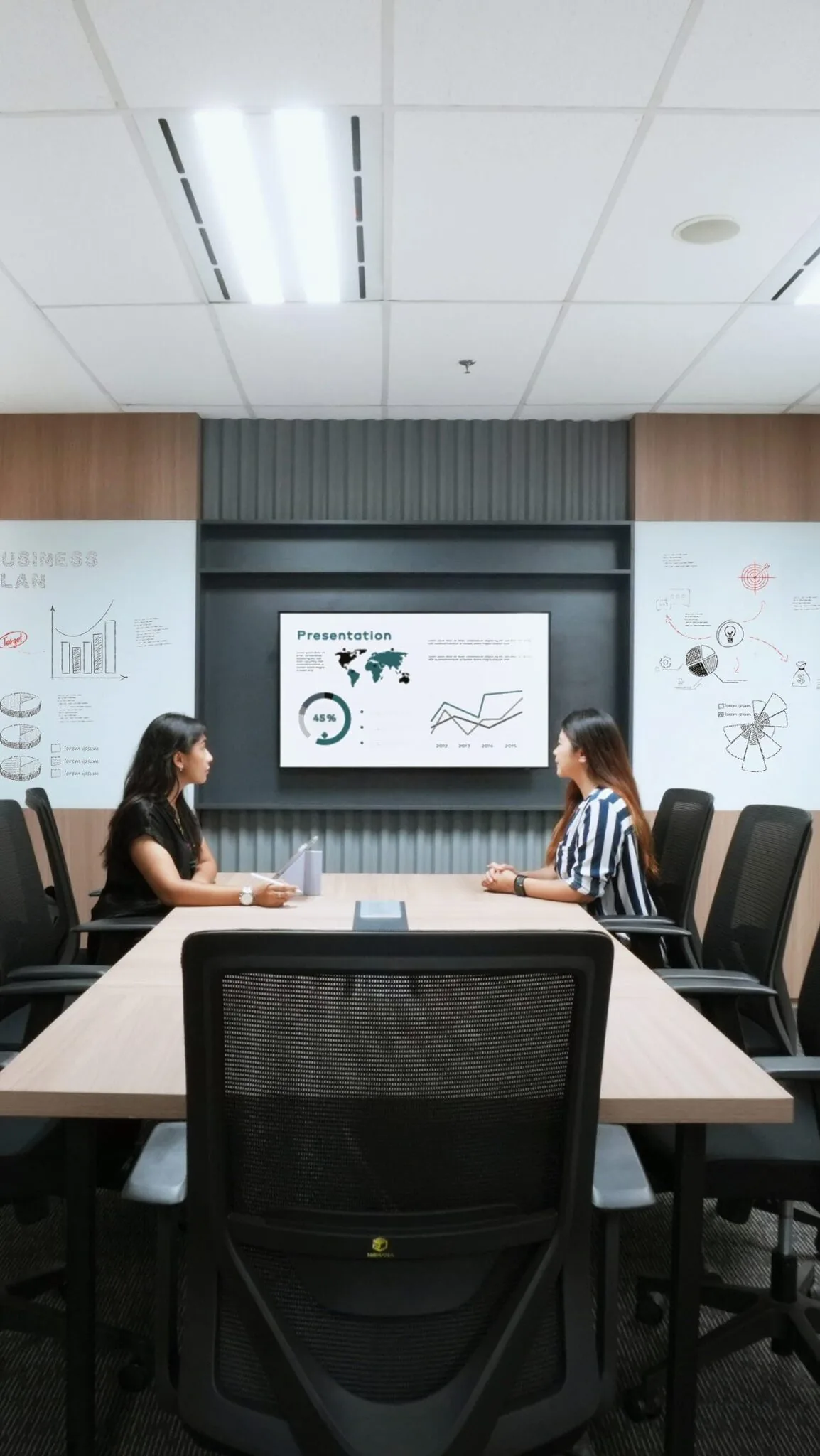
Multinationals maintain consistency by standardizing brand elements like color palettes, logos, signature materials, technology platforms, and workplace ratios, while localizing cultural expression, climate response, and regulatory compliance. Clear governance, detailed standards manuals, central sample approvals, and regional execution partners ensure unified brand experience across diverse Asian markets.
Key Takeaways
- Multinational office design balances consistent global brand identity with local cultural, regulatory, and market adaptations across Asian markets.
- Brand colors, logos, key materials, and technology platforms should stay standardized, while culture, climate, and codes flex regionally.
- Office fit-out costs range widely across Asia, from $40-70 per square foot in Vietnam to $120-200+ in Singapore.
For multinational corporations, office design presents a unique challenge: how do you maintain cohesive global brand identity while respecting local cultural contexts, regulatory requirements, and regional market expectations? The tension between standardization and localization defines multinational office design across Asia's diverse markets.
This guide explores strategies for creating workplace environments that express consistent corporate values while embracing regional nuances—a balance essential for companies operating across Singapore, Malaysia, Indonesia, Vietnam, China, and beyond.
The Strategic Importance of Design Consistency
Brand consistency in physical workspace matters for several compelling reasons:
Employee Experience: Staff transferring between offices encounter familiar environments supporting smooth transitions. Consistent design language reinforces that employees in Jakarta, Singapore, and Shanghai all contribute to one unified organization.
Client Perception: Clients visiting different regional offices experience the same brand professionalism. Inconsistent environments can undermine perceptions of organizational coherence and operational excellence.
Operational Efficiency: Standardized design systems, furniture platforms, and technology infrastructure simplify procurement, reduce costs through volume purchasing, and streamline facilities management across locations.
Talent Mobility: As organizations rotate talent through regional assignments, consistent workspace design reduces friction and signals investment in employee experience regardless of location.
However, blind standardization ignoring local context creates sterile environments disconnected from the communities they serve. The art of multinational company office design lies in finding appropriate balance.
Establishing Global Design Standards
Successful corporate headquarters interior design initiatives begin with clear framework documents defining what must remain consistent and what can flex regionally.
Brand Elements (Standardize)
Certain visual and experiential elements should remain consistent globally:
- Color Palette: Core brand colors applied consistently across all locations
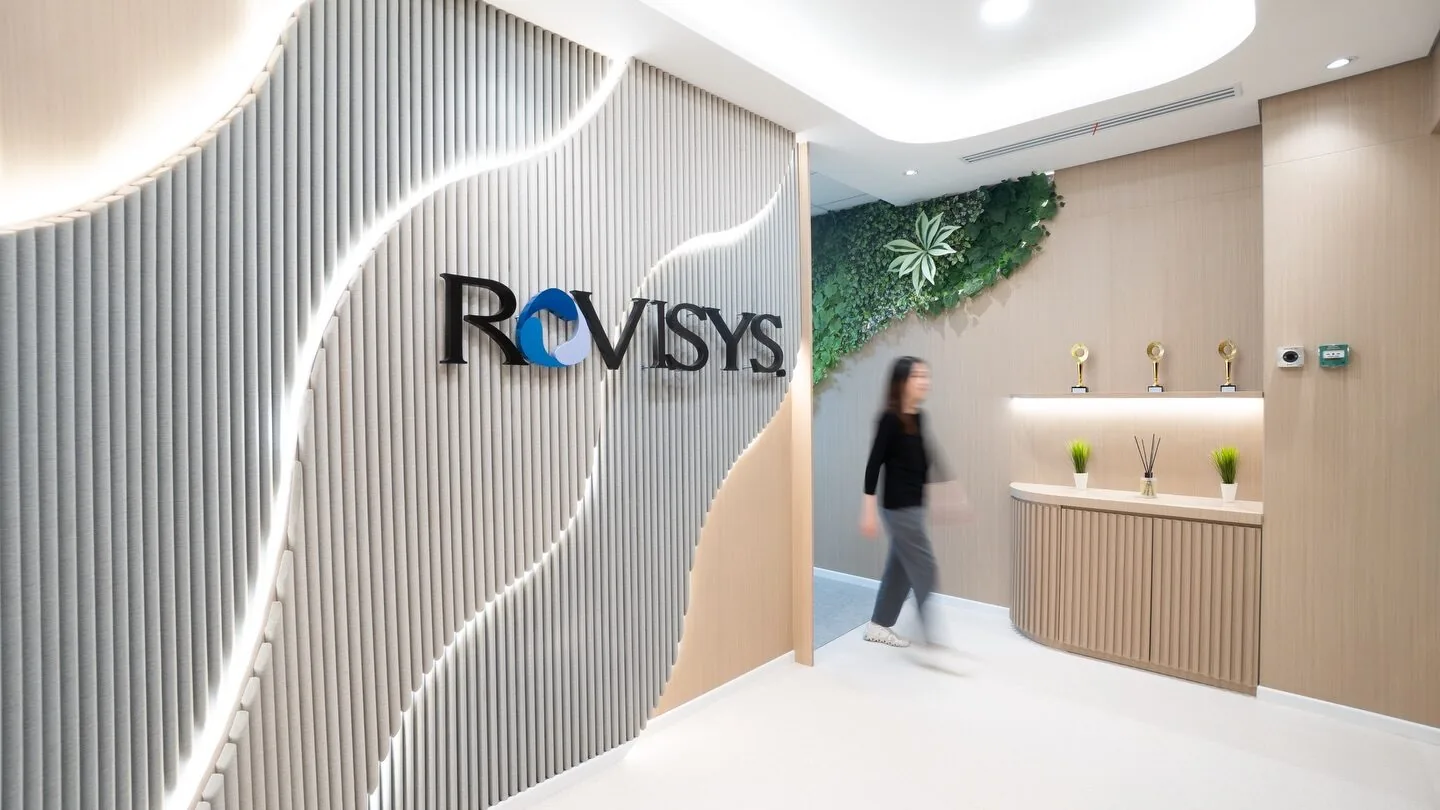
- Logo Application: Standard logo placement, sizing, and treatment
- Key Materials: Signature materials or finishes identifying brand (specific stone, metal finish, fabric)
- Spatial Principles: Fundamental layout philosophies (open vs. enclosed, collaborative vs. individual)
Functional Standards (Standardize)
Operational elements ensuring consistent employee experience:
- Technology Platforms: Unified video conferencing, desk booking, access control systems
- Furniture Systems: Core furniture platforms allowing regional customization within standard families
- Workplace Ratios: Desk-to-person ratios, meeting room allocation formulas, amenity provisions
- Quality Benchmarks: Finish quality levels appropriate to company positioning
Regional Flexibility (Localize)
Areas where adaptation enhances relevance:
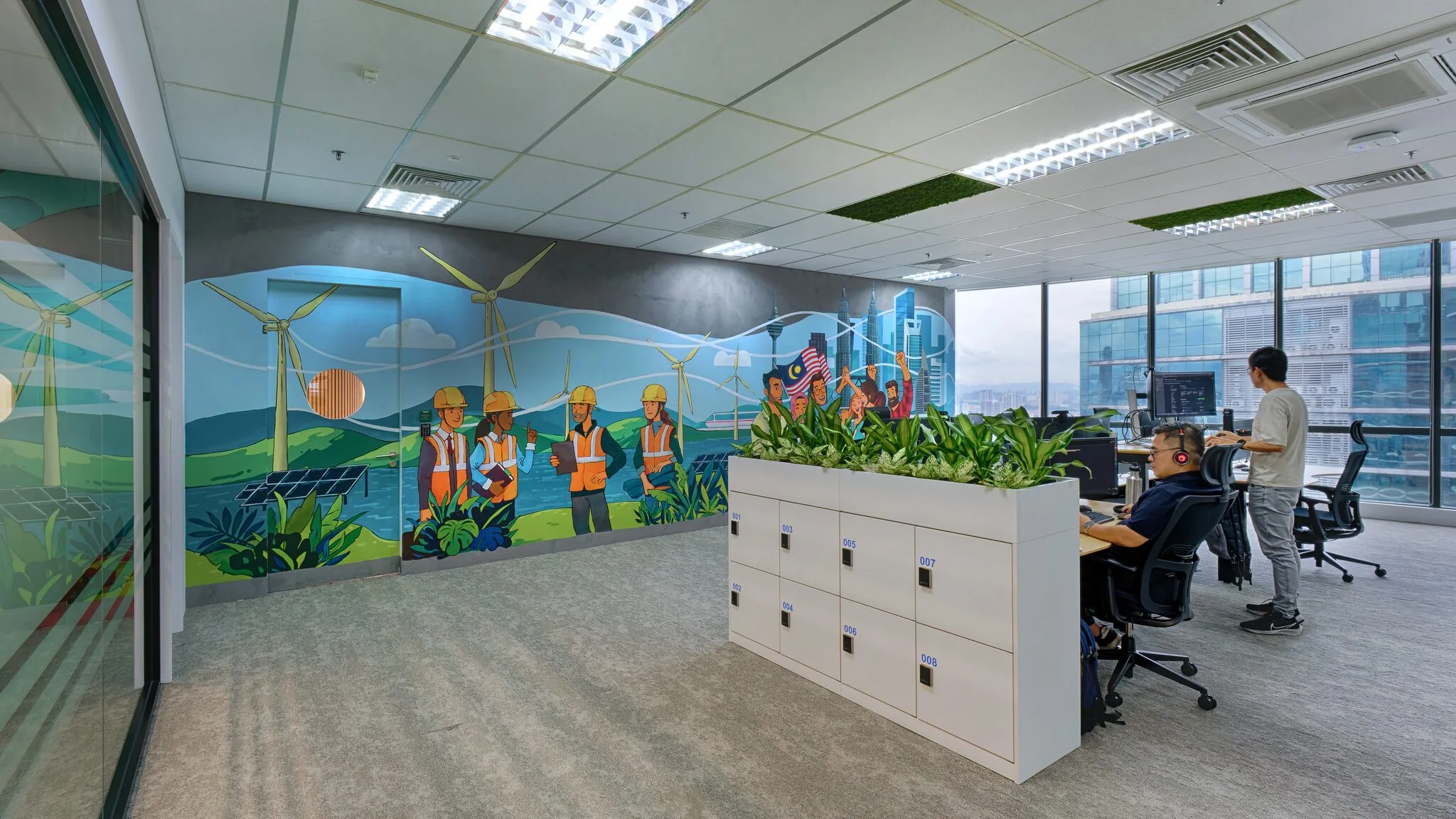
- Cultural Expression: Local art, materials, or design references
- Climate Response: HVAC, natural ventilation, solar control appropriate to tropical versus temperate climates
- Regulatory Compliance: Local building codes, accessibility standards, fire safety requirements
- Space Standards: Adjusting for regional real estate cost differences (Singapore vs. Jakarta)
Cultural Adaptation Strategies
Asia's extraordinary cultural diversity demands thoughtful localization beyond mere translation.
Understanding Regional Work Cultures
Work culture varies dramatically across Asian markets:
- Hierarchy: More hierarchical cultures (China, Indonesia) may require private offices for senior staff while egalitarian cultures (Singapore) embrace open plans
- Privacy: Some cultures value individual privacy higher than others, affecting workplace density and enclosure preferences
- Collaboration: Team-oriented versus individual-focused work styles influence collaboration zone sizing
- Formality: Client-facing areas may require different formality levels in different markets
Material and Color Symbolism
Colors and materials carry different connotations across cultures:
- Red signifies prosperity in China but can indicate danger in other contexts
- White symbolizes purity in some cultures but mourning in others
- Natural materials may convey different status levels regionally
Consult local cultural advisors during design development to avoid unintended meanings.
Spatial Traditions
Some markets have specific spatial preferences:
- Feng shui considerations in Chinese markets affecting desk positioning and spatial flow
- Prayer room requirements in predominantly Muslim markets
- Specific orientation preferences for executive offices
Respecting these traditions while maintaining brand consistency requires nuanced design thinking.
Multi-Location Project Management
Coordinating design and construction across multiple Asian countries simultaneously presents logistical complexities requiring systematic approaches.
Centralized Design Management
Establish clear governance:
- Design Authority: Who makes final decisions on global standards versus local adaptations?
- Review Processes: How are regional designs vetted for brand compliance?
- Documentation Standards: Consistent drawing formats, specifications, and templates
- Communication Protocols: Regular calls, shared project management platforms, centralized document repositories
Many multinationals establish dedicated workplace teams providing oversight while partnering with regional design and build contractors for local execution.
Regional Execution Partners
Select regional partners understanding both global brand requirements and local market realities:
- Multinational Design Firms: Global firms with regional offices can provide consistency but sometimes lack deep local market knowledge
- Regional Specialists: Local firms understand cultural nuances and regulatory environments but may struggle with global brand standards
- Hybrid Approach: Global firm setting standards, local firms executing with oversight
The best multinational office design outcomes often emerge from partnerships combining global strategic thinking with regional execution expertise.
Quality Consistency at Scale
Maintaining quality across multiple markets requires:
- Detailed Standards Manuals: Comprehensive documentation of acceptable materials, finishes, installation details
- Sample Approvals: Central approval of all finish samples before procurement
- Regular Site Inspections: Corporate team site visits during critical construction phases
- Post-Occupancy Reviews: Systematic evaluation identifying what works and what needs adjustment
Regulatory and Compliance Challenges
Each Asian market maintains distinct regulatory frameworks affecting design and construction.
Building Codes and Standards
- Singapore: Stringent building codes, Green Mark requirements for new developments
- Malaysia: State-level variations in building regulations
- Indonesia: Earthquake resistance requirements in certain regions
- China: Specific fire safety and accessibility standards
- Vietnam: Evolving building codes requiring local expertise
Experienced regional contractors navigate these regulatory landscapes efficiently, securing permits and ensuring compliance.
Workplace Regulations
Labor laws impact workplace design:
- Minimum space per worker requirements
- Natural light and ventilation standards
- Restroom and pantry provisions based on occupancy
- Accessibility requirements for persons with disabilities
These vary significantly across markets, requiring regional adaptation even within otherwise standardized designs.
Technology Infrastructure Standardization
Technology represents one area where standardization delivers exceptional value.
Unified IT Systems
Consistent technology platforms across locations:
- Video conferencing systems using same hardware and software
- Wireless networking with global authentication
- Desk booking and space management platforms
- Access control and security systems
- Building management systems for facilities teams
Standardization enables seamless user experience when traveling between offices and simplifies IT support across regions.
Local Infrastructure Considerations
However, implementation requires local adaptation:
- Internet bandwidth availability and reliability varies
- Power quality and backup requirements differ
- Local technology vendors and support ecosystems vary
Partner with regional IT infrastructure specialists understanding both global standards and local conditions.
Cost Management Across Markets
Real estate and construction costs vary dramatically across Asian markets, creating budget challenges for multinational rollouts.
Cost Benchmarking by Market
Typical cost per square foot ranges:
- Singapore: $120-$200+
- Malaysia: $60-$100
- Indonesia: $50-$80
- Vietnam: $40-$70
- China (Tier 1): $80-$130
These ranges demand flexible interpretation of "equivalent" finishes across markets. What represents mid-range quality in Singapore might be premium in Jakarta.
Value Engineering Without Brand Dilution
Strategies for maintaining brand quality within regional budget realities:
- Invest in visible, brand-defining elements (reception, client-facing spaces)
- Economize on back-of-house areas less impacting brand perception
- Use regional material equivalents providing similar aesthetic at lower cost
- Adjust space standards appropriate to real estate cost differences
The goal is equivalent brand experience, not identical budgets.
Lessons from Successful Multinational Rollouts
Best practices from companies executing successful multi-country office programs:
Start with Pilot Projects: Test global standards in 1-2 markets, learn, refine before broader rollout.
Build Regional Networks: Develop relationships with reliable regional partners reducing risk and improving execution quality.
Document Everything: Comprehensive design standards manuals, lessons learned databases, and decision logs prevent knowledge loss.
Remain Flexible: Even best plans require adaptation. Build adjustment mechanisms into governance processes.
Communicate Constantly: Over-communicate with regional teams, ensuring alignment on both standards and rationale.
Conclusion: Balancing Global and Local
Successful multinational company office design doesn't demand choosing between global consistency and local relevance—it requires strategic thinking about what drives brand value and what enhances regional resonance.
The companies executing this balance effectively create workspaces that feel unmistakably part of global organization while embracing the unique character of local markets. They standardize elements delivering functional efficiency and brand consistency while localizing aspects enriching employee and client experience.
This approach is neither simple nor inexpensive—it demands thoughtful planning, strong governance, experienced partners, and organizational commitment. However, the investment in getting multinational office design right pays dividends in brand coherence, operational efficiency, and employee experience spanning continents.
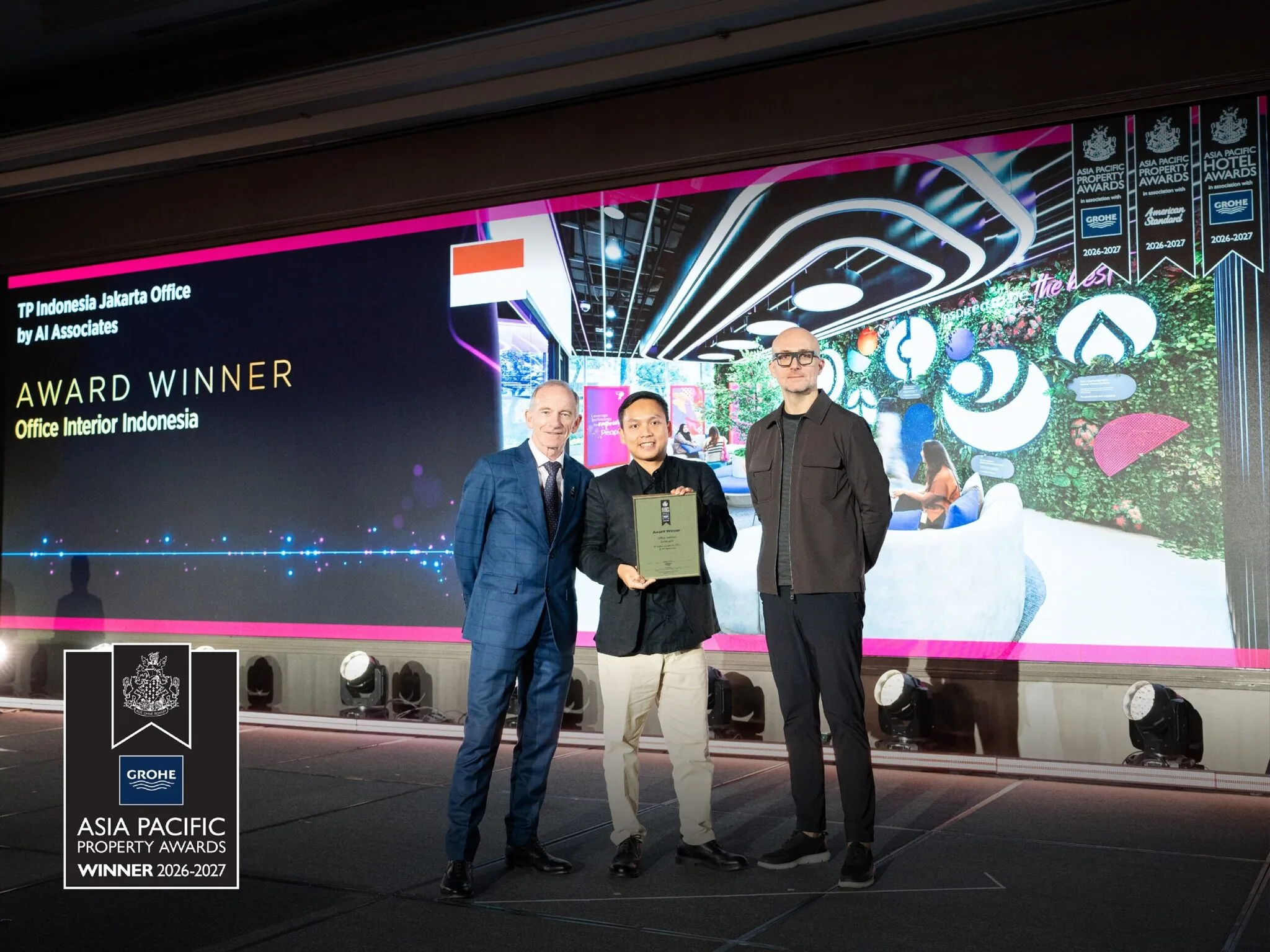
Managing office design across Asian markets? AI Associates specializes in multinational office design, having delivered consistent brand experiences for companies like General Electric and Honda across multiple countries. Our regional expertise and global perspective help you navigate the complexity of multi-location rollouts. Contact us to discuss your multinational workspace strategy.