
Quick answer
How can a startup design an office on a tight budget?
Startups should allocate budget to high-impact areas like reception, collaboration zones, and technology infrastructure, while economizing on back-of-house spaces and permanent built-ins. Use phased implementation, flexible modular furniture, reclaimed materials, local artists, and polished existing floors, making budget constraints look intentional rather than desperate.
Key Takeaways
- Startup office design is a strategic tool influencing recruitment, productivity, culture, and investor perception, not just aesthetics.
- Phased implementation lets startups occupy space immediately while spreading costs across essential, enhanced, and amenity stages.
- Activity-based working with assigned focus seating for 60-70% of headcount supports more people in less space.
For high-growth startups, office design isn't merely about aesthetics—it's a strategic tool influencing recruitment, productivity, culture, and investor perception. The right tech company office design reflects your brand, supports your team's work style, and scales with explosive growth without requiring complete redesign every twelve months.
This guide explores how startups can create inspiring, functional workspaces that maximize limited budgets while positioning for future expansion.
The Strategic Importance of Startup Office Design
First impressions matter tremendously in startup ecosystems. Your office space communicates volumes to potential employees, investors, and clients about your company's professionalism, values, and trajectory.
A well-designed tech company office signals:
- Legitimacy: Moving beyond coworking spaces demonstrates commitment and stability
- Culture: The physical environment reinforces your company's values and work style
- Employee priority: Investing in workspace shows you value team experience
- Growth trajectory: Scalable design suggests confidence in future expansion
Moreover, office design for productivity directly impacts your bottom line. Thoughtful workspace design can boost employee output, reduce turnover, and accelerate collaboration—critical advantages when competing for talent and market share.
Budget-Conscious Design Strategies
Most startups operate with tight capital constraints. The challenge is creating impactful startup office design without hemorrhaging cash needed for product development and growth.
Prioritize High-Impact Areas
Allocate budget strategically to spaces creating maximum impression and utility:
- Reception/Entry: First impression spaces justify investment in striking design
- Collaboration Zones: Where teams spend most of their time deserve quality finishes
- Technology Infrastructure: Robust IT systems are non-negotiable for tech companies
- Flexible Furniture: Modular, reconfigurable pieces adapt as you grow
Economize on:
- Back-of-house areas (storage, service corridors)
- Private offices for senior leadership (embrace open culture)
- Permanent built-in furniture (flexibility over permanence)
- Expensive finishes in low-visibility areas
Phased Implementation
You don't need everything Day One. A phased approach allows immediate occupancy while spreading costs:
- Phase 1: Essential workspace, basic meeting rooms, functional pantry
- Phase 2: Enhanced collaboration areas, wellness spaces, branding elements
- Phase 3: Amenities like game rooms, event spaces, outdoor areas
This strategy preserves capital while demonstrating upgrade potential to early employees.
DIY and Creative Solutions
Startup culture celebrates resourcefulness. Consider:
- Reclaimed materials for unique, cost-effective character
- Local artists for affordable original artwork
- Modular retail furniture instead of custom millwork
- Open shelving versus expensive cabinetry
- Concrete floors or polished existing floors instead of new flooring
The key is making budget constraints look intentional rather than desperate.
Designing for Scalability
Rapid growth is both startup dream and design challenge. Your office space planning must accommodate doubling or tripling headcount without complete redesign.
Flexible Spatial Planning
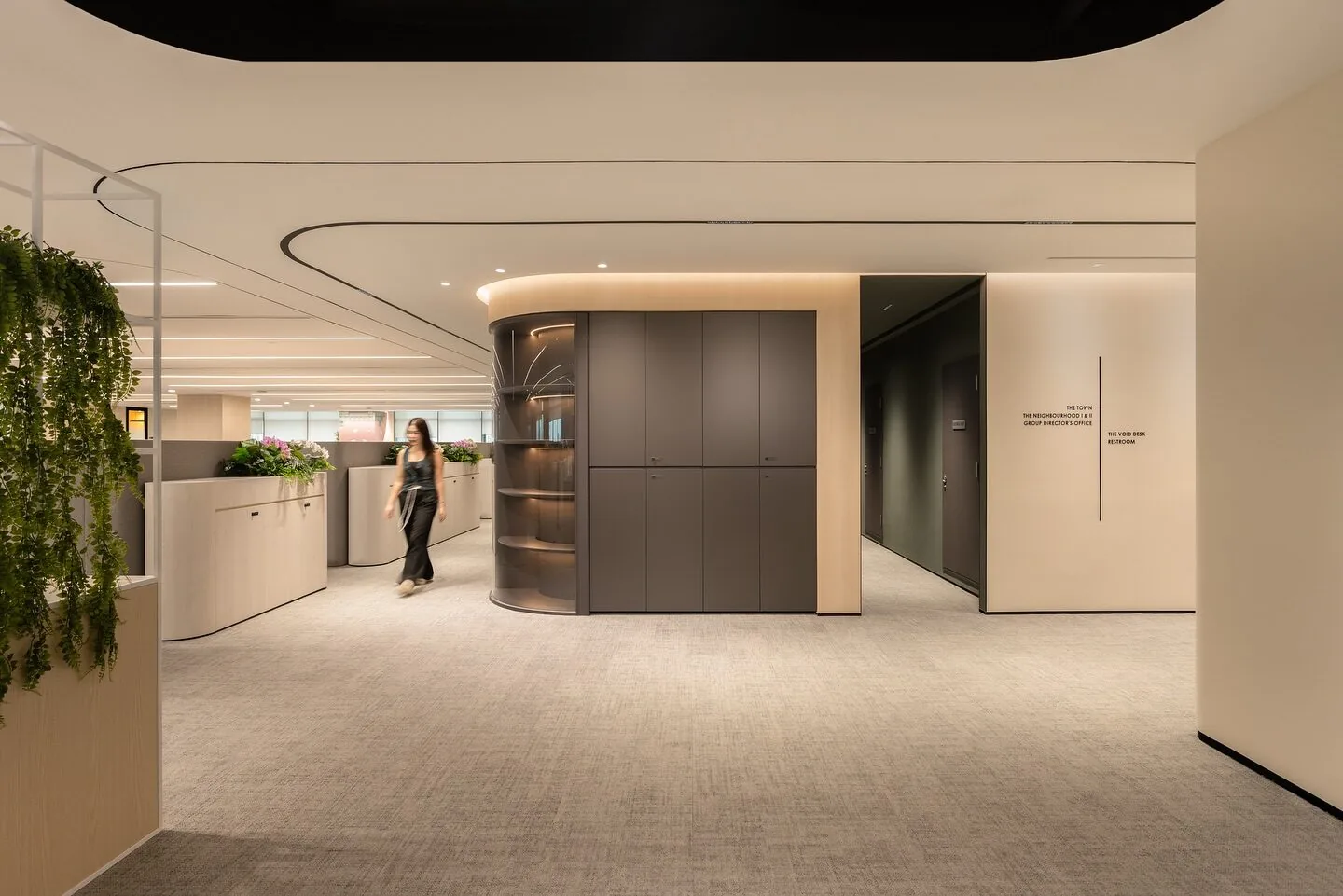
Avoid fixed partitions and built-in furniture. Demountable walls, modular workstations, and mobile storage allow reconfiguration as team structure evolves. Design for "neighborhoods" that expand or contract versus assigned desks.
Technology Infrastructure Ahead of Needs
Over-provision power, data, and cooling capacity. Adding outlets or upgrading internet later costs more than building capacity upfront. Consider:
- Under-floor or overhead cable management allowing desk repositioning
- Mesh Wi-Fi systems easily expandable
- Cloud-based phone systems eliminating hardware
- Modular UPS systems growing with power demand
Activity-Based Working
Instead of one desk per person (limiting scalability), create varied work settings:
- Focus areas with assigned seating (60-70% of headcount)
- Collaboration zones for team work
- Quiet rooms for concentration
- Phone booths for private calls
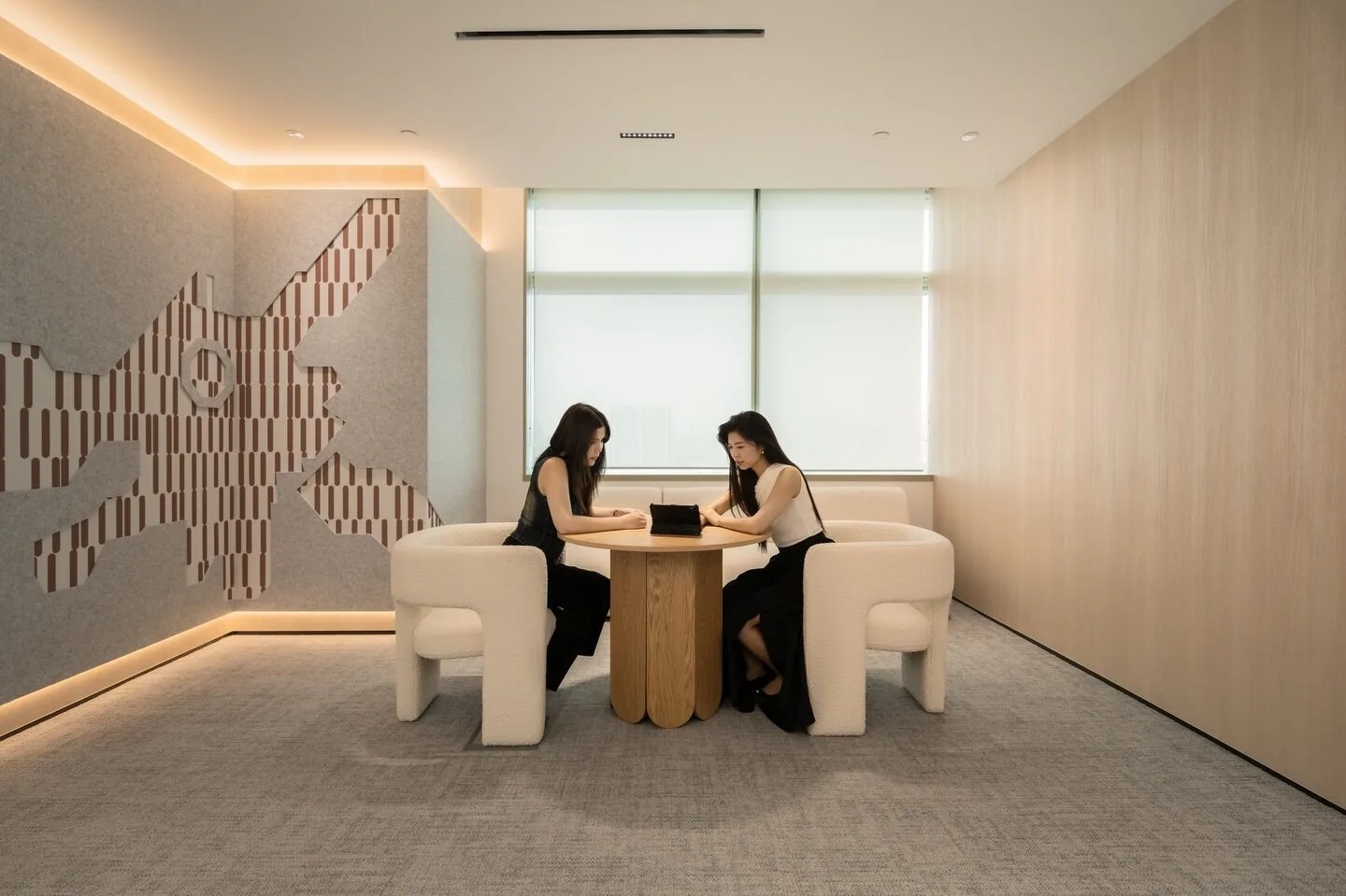
- Lounge areas for informal work
This approach supports more people in less space while improving work quality.
Lease Considerations
Negotiate expansion options in your lease. Rights of first refusal on adjacent space, lease extensions, or early termination clauses provide flexibility. Some startups deliberately lease slightly more space than immediately needed, subleasing excess temporarily.
Reflecting Culture in Design
Tech company office design must authentically express your unique culture—not imitate Silicon Valley stereotypes unless that's genuinely who you are.
Understand Your True Culture
Before designing, articulate your actual values and work style:
- Are you formal or casual?
- Collaborative or independent?
- Playful or serious?
- Hierarchical or flat?
Your honest answers should drive design decisions. A fintech startup might need more formality than a gaming company. A deep-tech AI firm might prioritize quiet focus over ping-pong tables.
Visual Brand Integration
Incorporate brand colors, logos, and messaging thoughtfully:
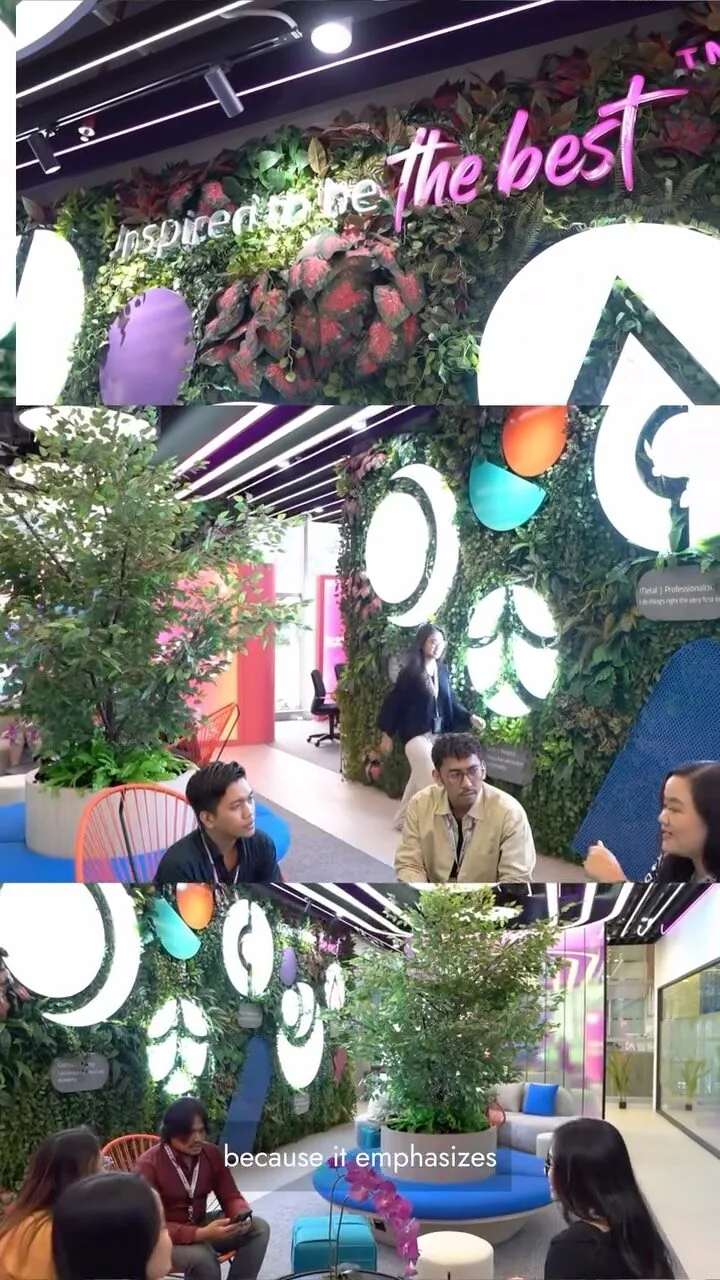
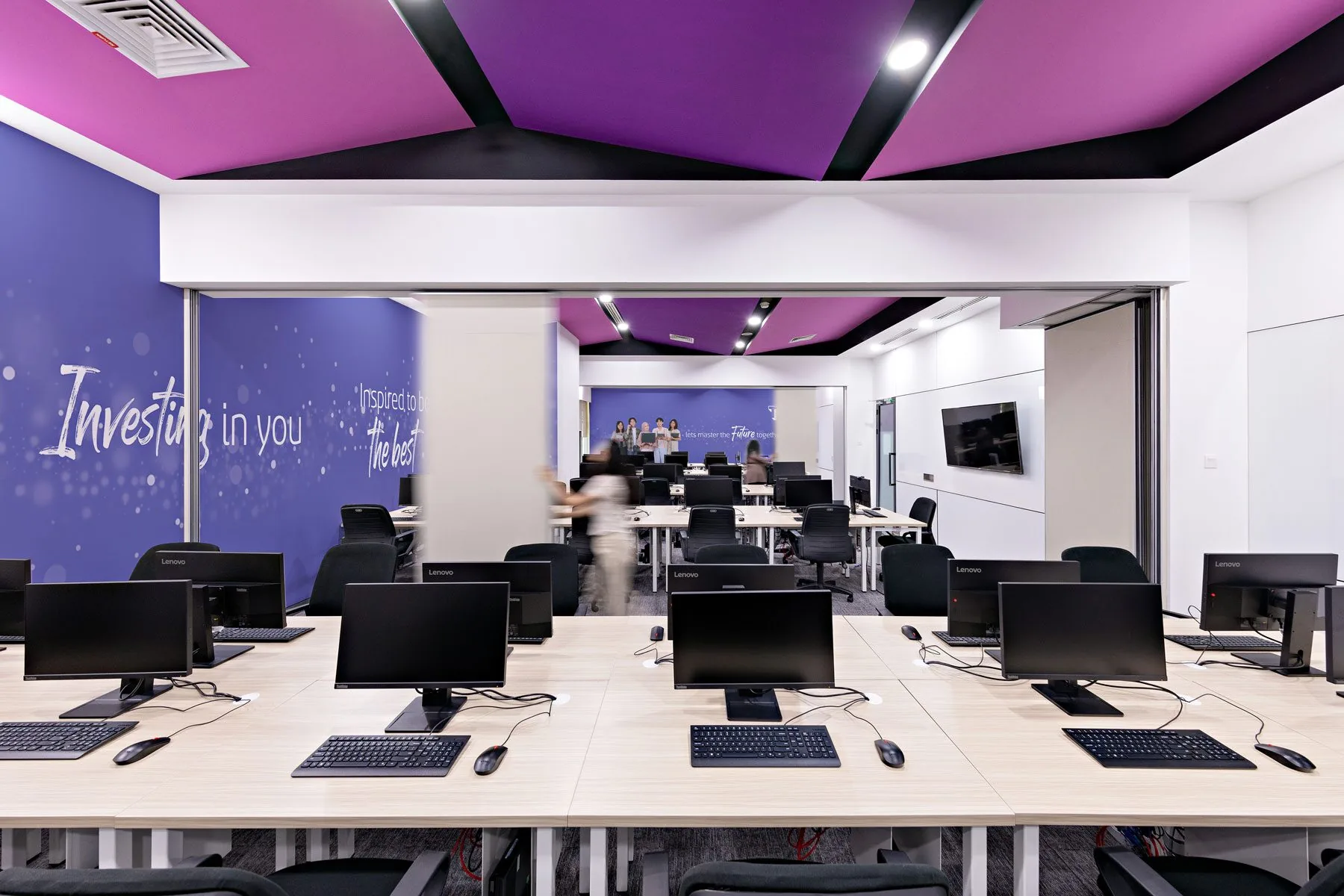
- Feature walls with brand colors or graphics
- Mission statement or values displayed prominently
- Product showcases or prototypes visible to visitors
- Team photos and milestone celebrations
Avoid tacky overbranding. Subtlety and quality over quantity.
Work Style Alignment
If you value transparency, open layouts with glass-walled meeting rooms reinforce this. If deep focus is critical, provide ample quiet zones. If collaboration drives innovation, create diverse gathering spaces.
The physical environment either supports or contradicts your stated culture. Consistency builds authentic company identity.
Maximizing Productivity Through Design
The best office design for productivity balances three critical elements: focus, collaboration, and rejuvenation.
Focus Environments
Productivity requires periods of uninterrupted concentration. Provide:
- Acoustic privacy through sound masking, acoustic panels, or quiet zones
- Visual privacy through strategic positioning or screens
- Ergonomic furniture supporting healthy postures for extended work
- Good lighting reducing eye strain (preference for natural light)
Collaboration Catalysts
Innovation emerges from interaction. Design must facilitate both planned and spontaneous collaboration:
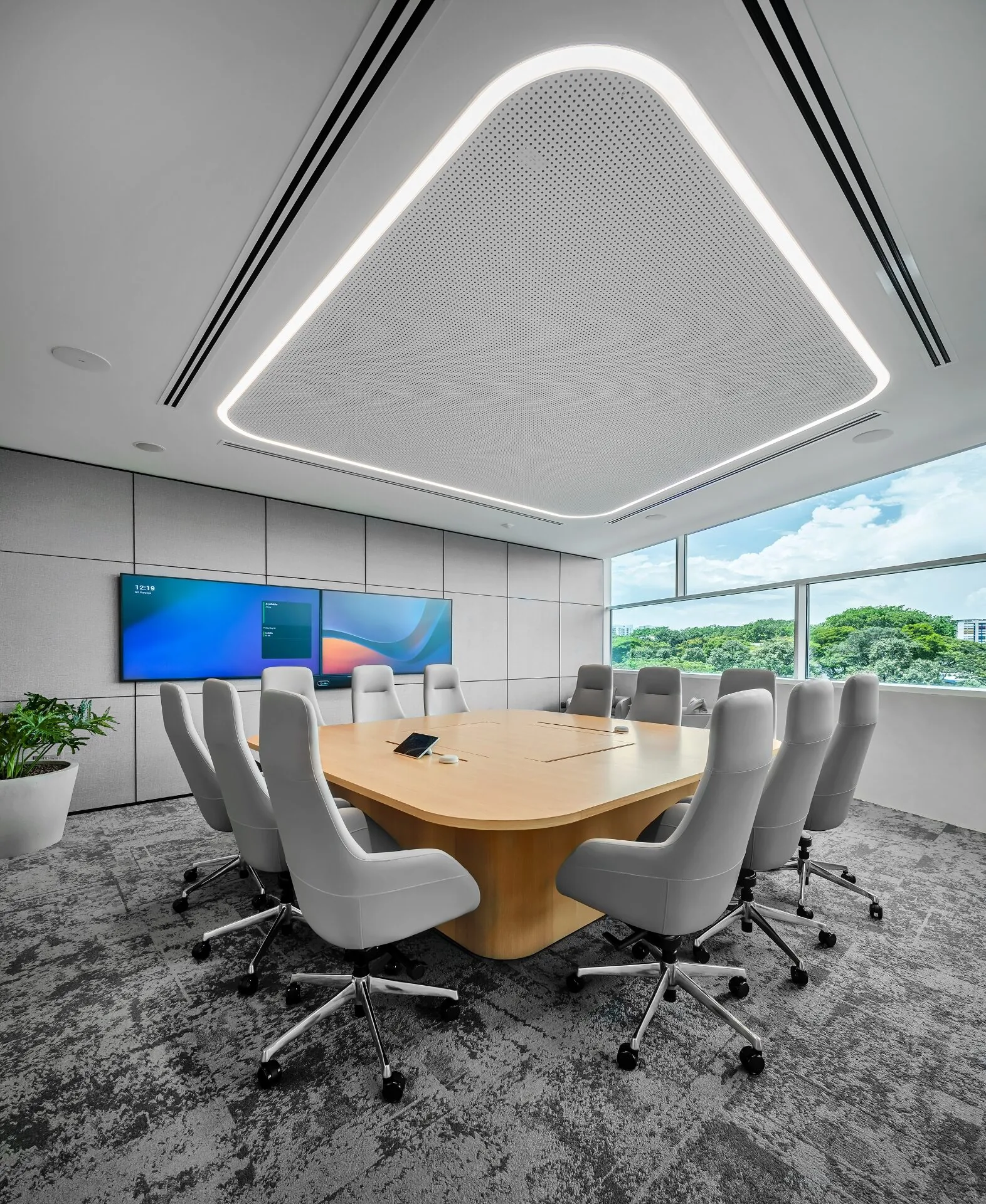
- Varied meeting spaces (formal conference rooms, casual lounges, standing-height tables)
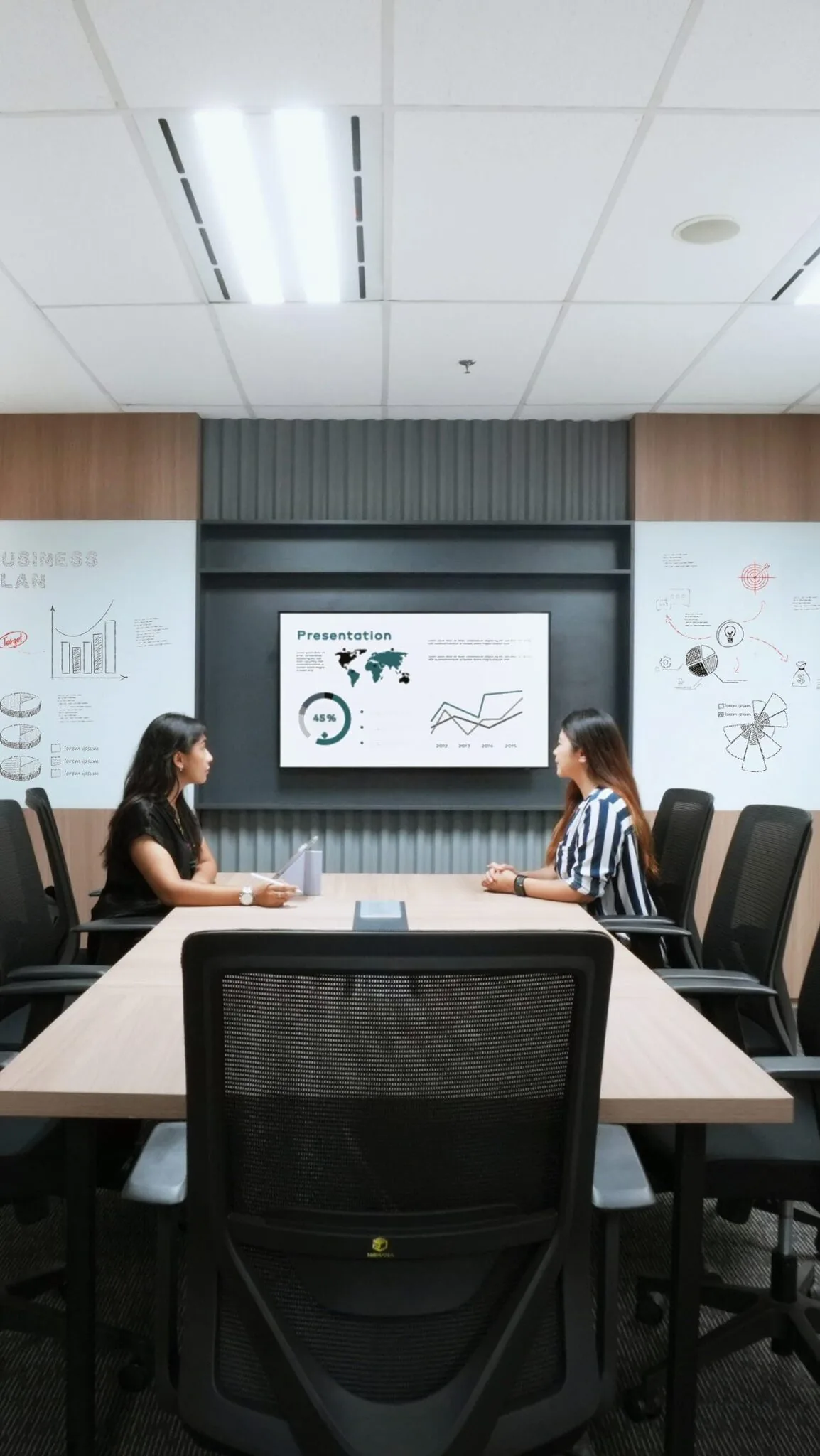
- Writable surfaces throughout (whiteboards, glass walls with markers)
- Technology enabling seamless presentation sharing
- Circulation paths encouraging cross-team encounters
Rejuvenation Spaces
Continuous work leads to burnout. Wellness-oriented startup office design includes:
- Comfortable break areas separate from desks
- Natural light and outdoor access where possible
- Plants and biophilic elements reducing stress
- Recreational spaces (games, exercise, meditation)
These aren't "perks"—they're productivity investments with measurable ROI.
Common Startup Design Mistakes to Avoid
Learning from others' errors saves money and headaches:
Over-designing Too Early: Avoid expensive custom solutions before proving product-market fit. Flexibility trumps perfection.
Ignoring Acoustics: Open offices without sound management create productivity-killing noise. Budget for acoustic treatment.
Insufficient Meeting Space: Fast-growing teams generate more meetings than anticipated. Provide varied sizes from phone booths to 20-person rooms.
Neglecting Storage: Startups accumulate supplies, equipment, samples, and swag. Inadequate storage creates clutter and disorder.
Following Trends Blindly: Slides and beer taps aren't mandatory. Design for your specific needs and culture, not Instagram.
Case Study: Strategic Startup Design
Consider a 50-person tech startup leasing 8,000 square feet. Instead of traditional desk allocation (160 sq ft per person), they implemented activity-based working with:
- 40 dedicated desks (focus work)
- 8 phone booths (private calls)
- 12 collaboration spaces (team work)
- 1 large multipurpose room (training, events, town halls)
- Generous social/break areas
This design accommodated scaling to 75 people with minimal modification while improving work quality through appropriate space for each activity type.
Conclusion: Designing for Growth and Success
Successful startup office design balances competing demands: impressive yet affordable, flexible yet cohesive, inspiring yet practical. The investment in thoughtful workspace design yields returns through enhanced recruitment, improved productivity, and a physical manifestation of your company's ambition.
Start with clear understanding of your culture, work style, and growth trajectory. Prioritize flexibility and scalability over permanence. Invest strategically in high-impact areas while economizing elsewhere. Most importantly, design authentically for your team rather than copying others.
Scaling your startup's workspace? AI Associates specializes in tech company office design balancing budget, growth, and culture. Our projects with companies like Grab demonstrate how strategic design supports rapid scaling. Contact us to discuss your startup's unique workspace needs.