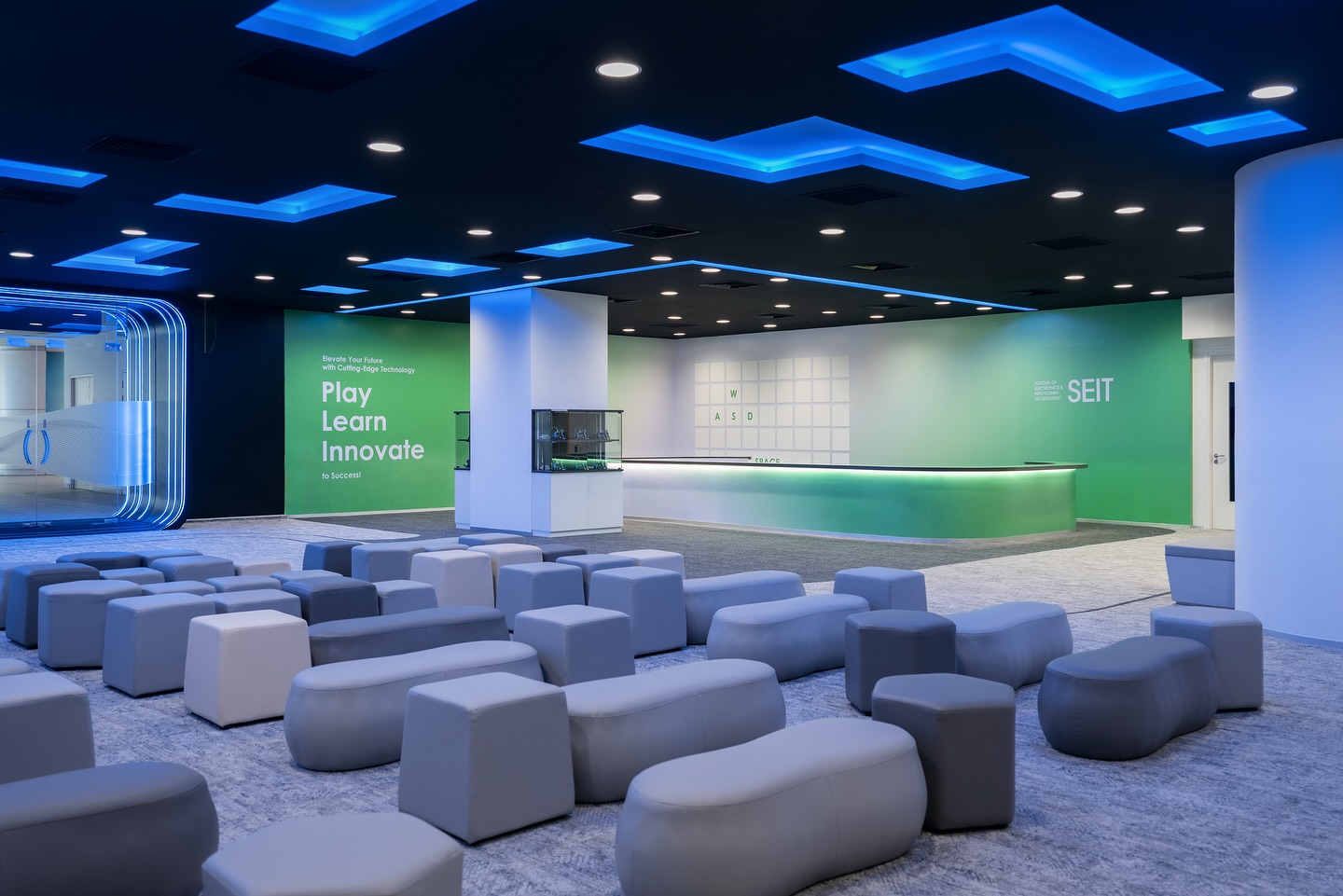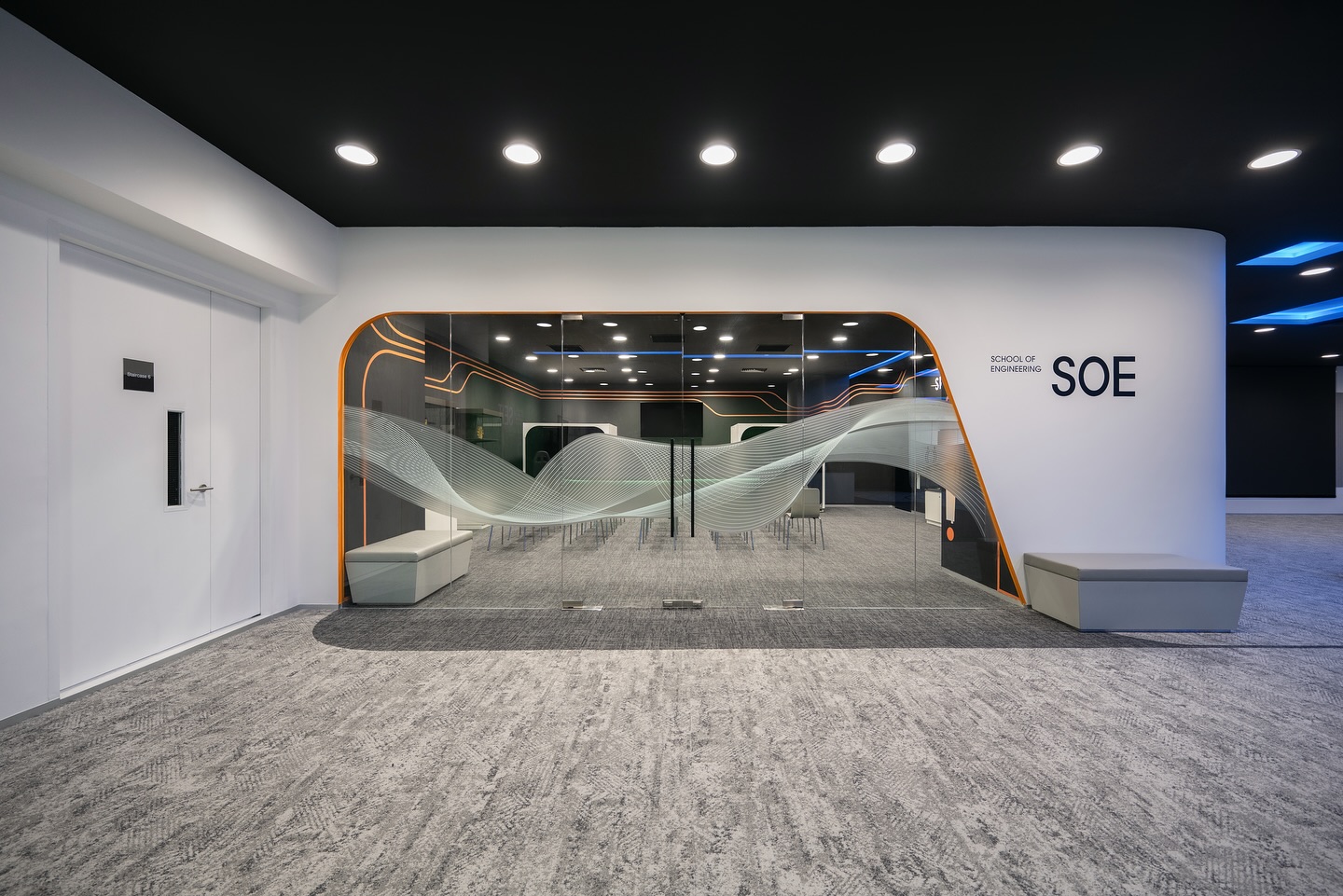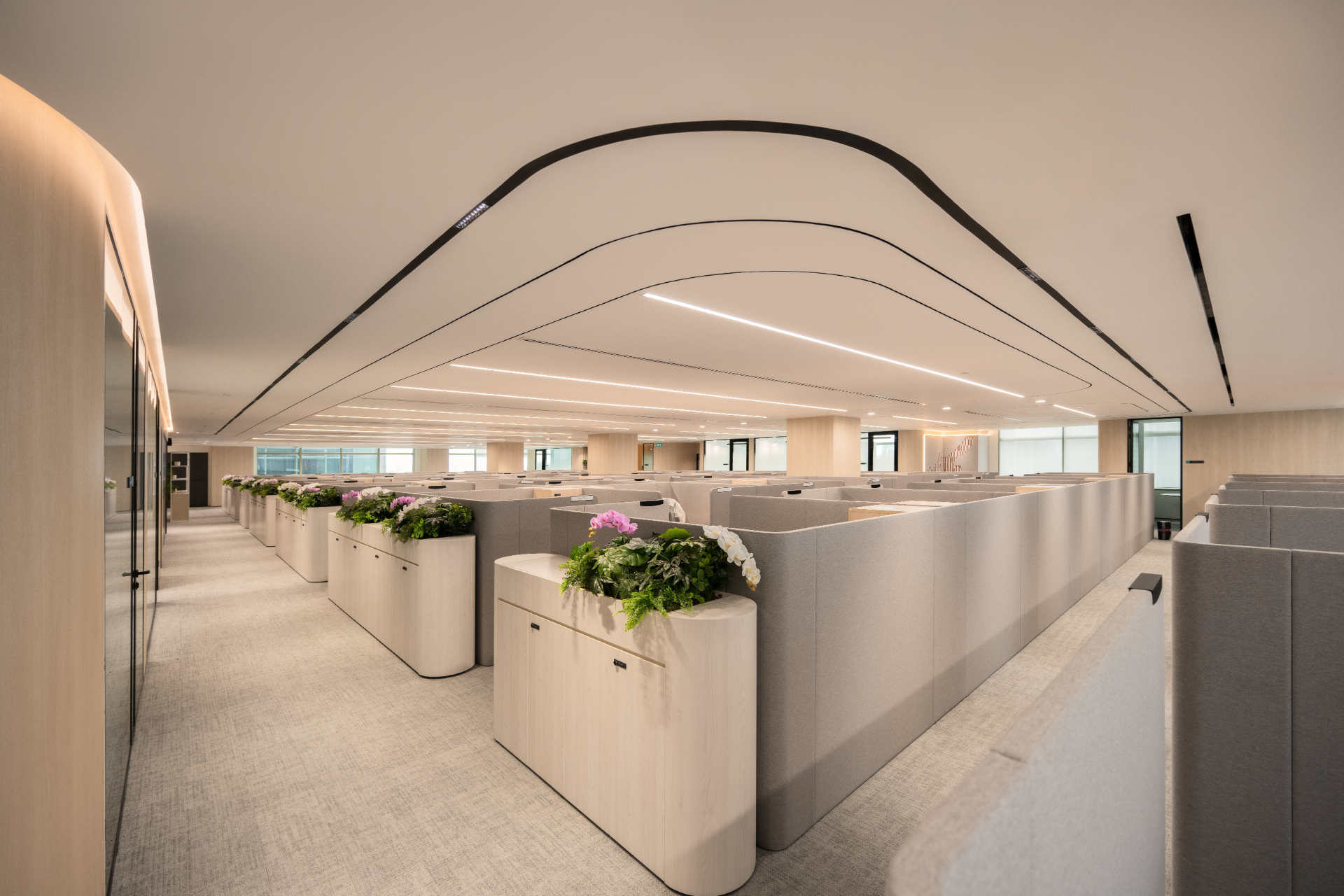
An office interior design company offers an integrated team and can usually deliver design and construction together, which suits most business fit-outs. An independent consultant offers senior, personal attention and flexibility, which suits smaller or advisory projects. The right choice depends on scale, risk tolerance and how much delivery support you need.
Key takeaways
- A company offers an integrated team and often design-and-build delivery.
- An independent consultant offers senior attention and flexibility.
- Companies suit larger fit-outs needing coordination and single accountability.
- Consultants suit smaller or advisory projects with strong internal management.
- Match the partner to project scale, risk and the delivery support you need.
The design company option
A design company brings a multi-disciplinary team: strategy, design, documentation and often construction under one roof. For most office fit-outs this means fewer coordination gaps, clearer accountability and the option of design-and-build delivery. It suits projects that need end-to-end support and a single party responsible for the outcome.
The independent consultant option
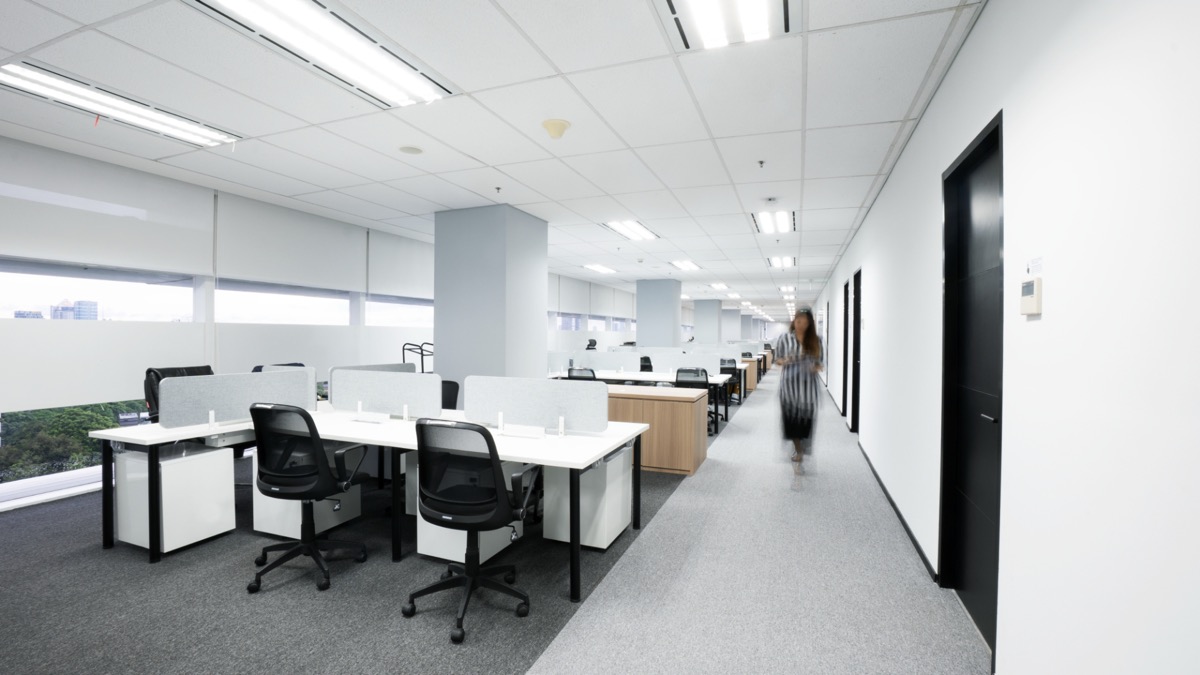
An independent consultant offers direct, senior involvement and flexibility. For smaller projects, advisory work, or clients with strong internal project management who prefer to tender construction separately, this can be efficient and personal. The trade-off is that you carry more coordination responsibility yourself.
How to decide
Weigh four factors: project scale, how much delivery support you need, your appetite for managing multiple parties, and whether you want construction combined or tendered separately. Larger, time-pressured fit-outs usually favour a company; smaller or advisory projects can suit a consultant. Some firms offer both models.
A combined approach
Many businesses choose a firm that provides senior consultancy attention within an integrated company, capturing both benefits. AI Associates works this way, offering consultancy and full design and build under one accountable team, so you get personal involvement and delivery capacity together.
Frequently asked questions
Is a design company or independent consultant better for an office fit-out?
A company usually suits larger fit-outs that need an integrated team and the option of design-and-build delivery, while an independent consultant suits smaller or advisory projects. The right choice depends on scale, risk and how much delivery support you need.
What are the advantages of a design company?
A company offers a multi-disciplinary team, single-point accountability and often combined design-and-build delivery. This reduces coordination gaps and suits projects that need end-to-end support and a fixed opening date.
When is an independent consultant the better choice?
For smaller projects, advisory or strategy work, or when you have strong internal project management and prefer to tender construction separately. A consultant offers senior attention and flexibility, with you carrying more coordination responsibility.
Can one firm offer both consultancy and delivery?
Yes. Many firms combine senior consultancy attention with an integrated delivery team, so you get personal involvement and construction capacity together. This is often the most practical option for business fit-outs.
Does choosing a company cost more than a consultant?
Not necessarily. Fees depend on scope, not just firm type. A company that combines design and build can reduce coordination cost and risk, while a consultant-only route adds separate construction procurement. Compare total scope, not headline fees.