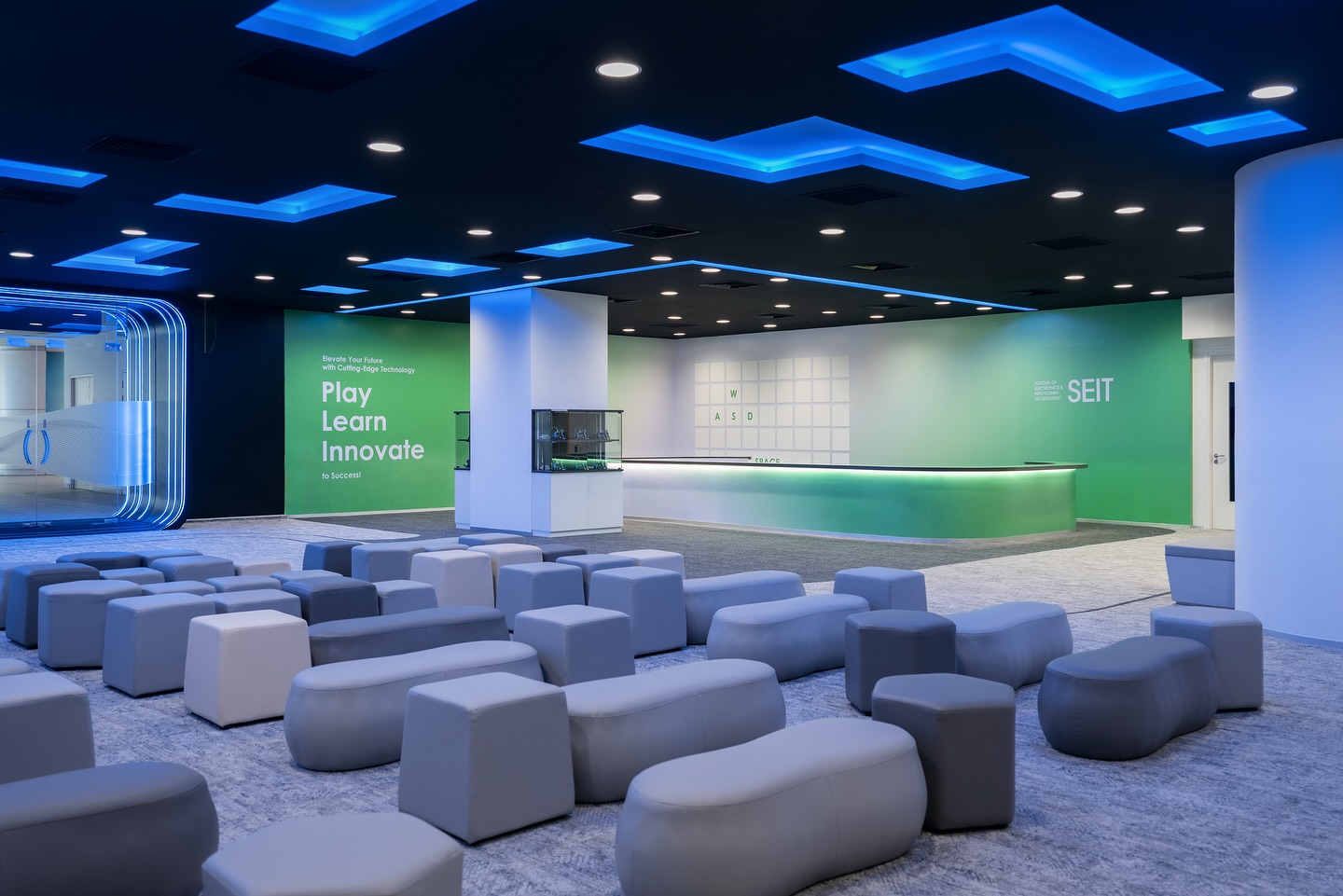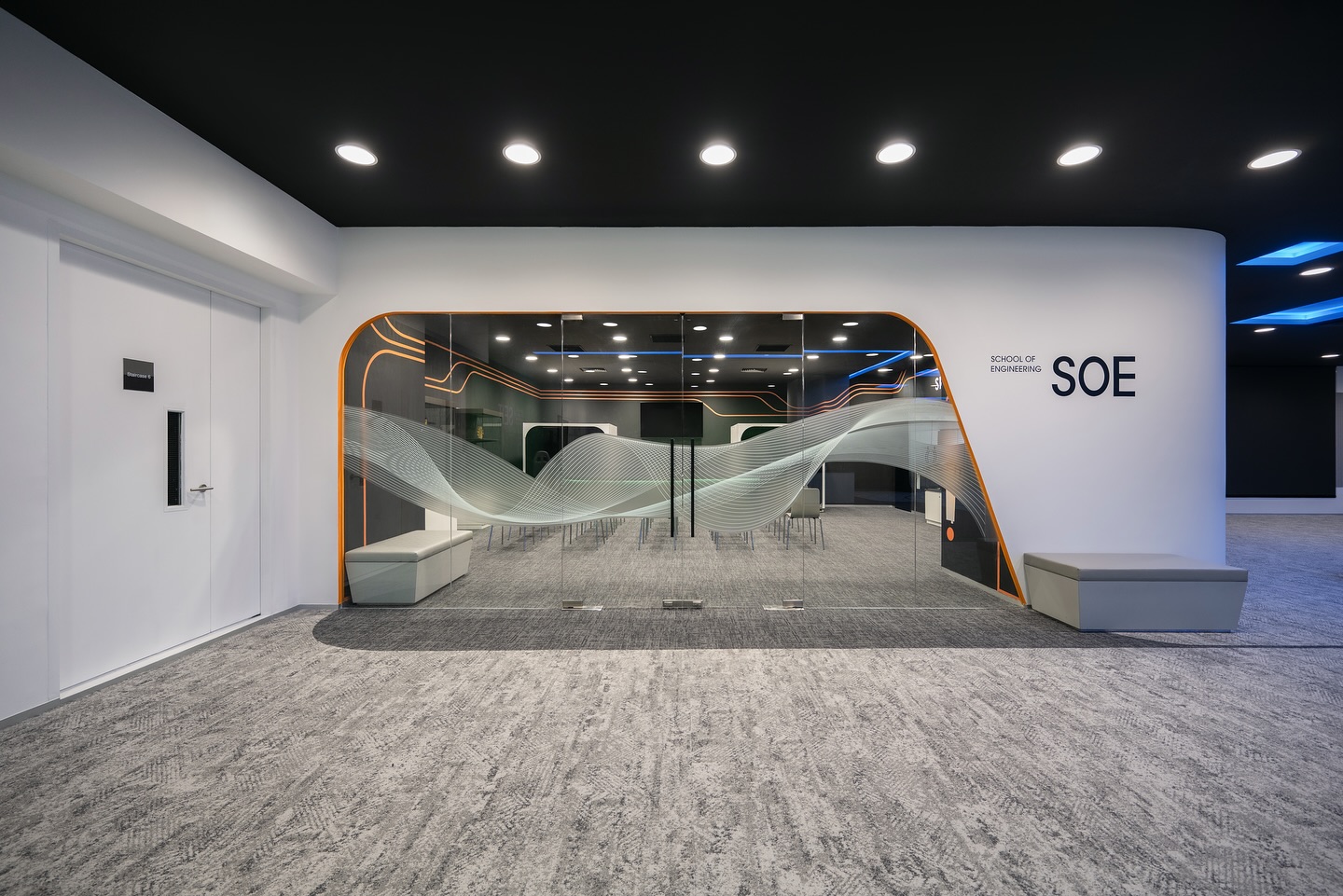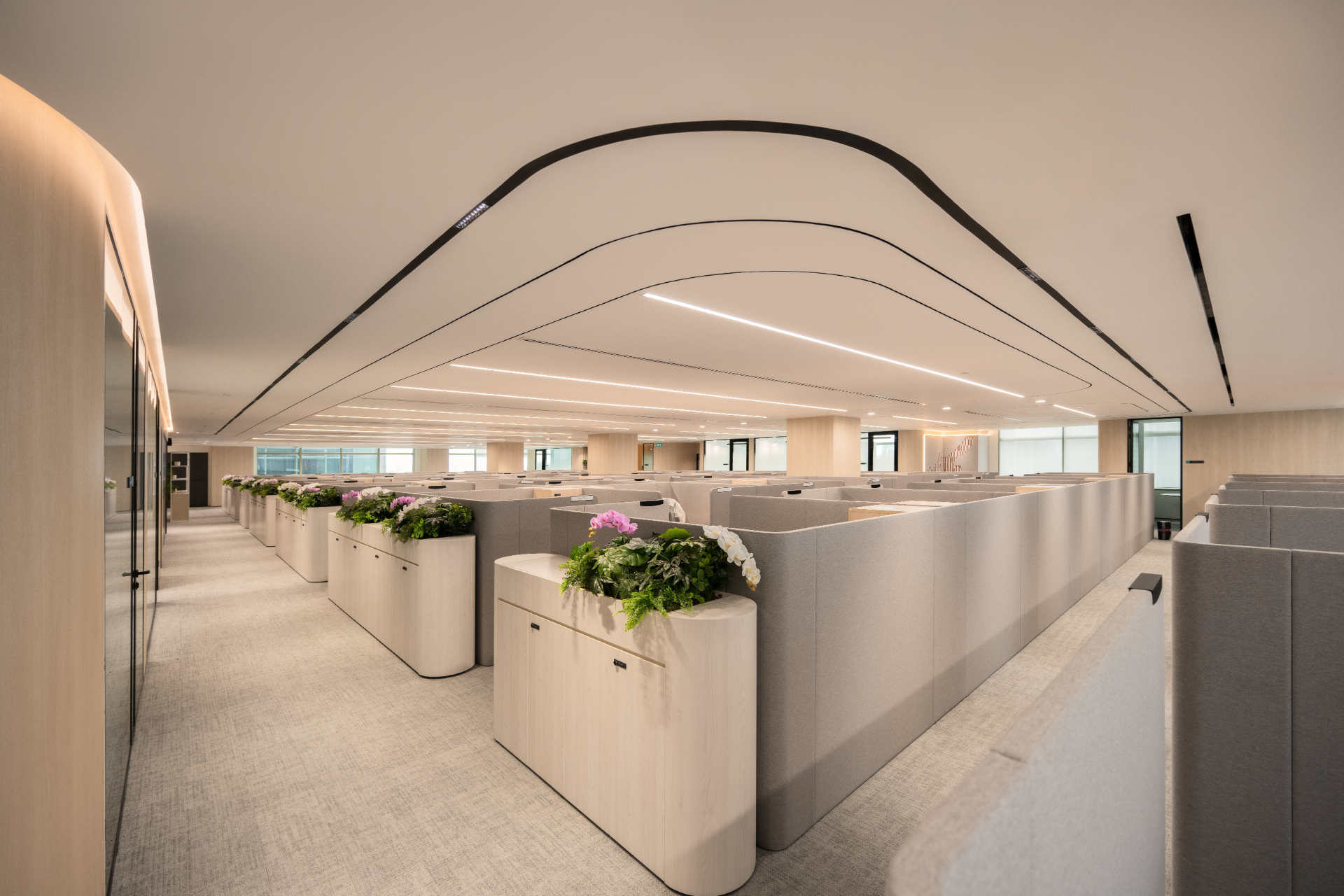
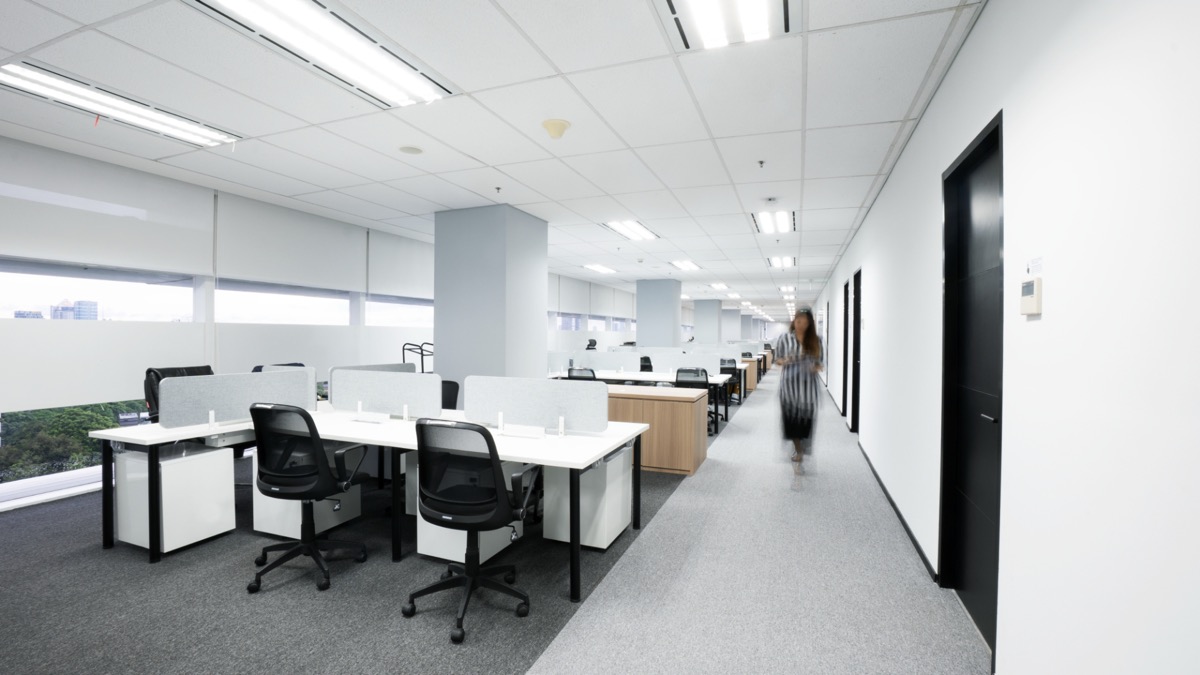
Bank interior design balances security and a sense of trust with a welcoming, modern customer experience. It plans zoning for self-service, advice and private conversations, meets strict security and compliance requirements, and uses material and brand to signal stability, while adapting to digital banking and fewer routine transactions.
Key takeaways
- Bank design must signal trust and security while feeling welcoming.
- Zoning separates self-service, advice and private discussion.
- Security and compliance requirements shape the plan.
- Branches increasingly focus on advice over transactions.
- Material and brand communicate stability and confidence.
Signalling trust and security
Financial spaces must feel secure and trustworthy. Material quality, lighting, order and brand all communicate stability and confidence. At the same time, security and compliance requirements, from cash handling to privacy, shape the layout. The design reconciles a reassuring, professional feel with practical protection.
Zoning for modern banking
Modern branches zone for different needs: quick self-service and digital points, open advice areas, and private rooms for confidential conversations such as loans or wealth discussions. Clear separation of these zones supports both efficiency and privacy, and reflects the shift from routine transactions toward advice.
Customer experience and brand
As transactions move online, the branch increasingly exists to build relationships and provide advice. A welcoming, comfortable environment with good acoustics and private spaces supports meaningful conversations. Brand expression through material and detail reinforces the institution's identity and the trust it depends on.
Adapting to change
Branch networks are evolving, with fewer, more advice-focused and flexible spaces. Design should anticipate this, using adaptable layouts that can change as banking does. For related regulated sectors, see our finance office design guide and consultancy.
Frequently asked questions
What makes good bank interior design?
Good bank design balances security and a sense of trust with a welcoming, modern customer experience. It zones for self-service, advice and private conversations, meets strict security and compliance requirements, and uses material and brand to signal stability and confidence.
How is bank design changing with digital banking?
As routine transactions move online, branches increasingly focus on advice and relationships. Design shifts toward open advice areas, private consultation rooms and flexible, welcoming spaces, with fewer traditional teller counters and more emphasis on experience.
How does a bank balance security and a welcoming feel?
Through design that signals trust via material quality, lighting and order, while meeting practical security and privacy requirements behind the scenes. The aim is a space that feels professional and reassuring without appearing forbidding or purely functional.
What zones does a modern branch need?
Typically quick self-service and digital points, open advice areas for everyday needs, and private rooms for confidential conversations such as loans or wealth management. Clear separation of these zones supports efficiency, privacy and the shift toward advice.
Why does material and brand matter in bank design?
Because financial institutions depend on trust. Quality materials, considered detailing and consistent brand expression communicate stability and confidence, reinforcing the sense of security customers expect from a bank and supporting the relationships branches now prioritise.