Circular commercial interior design aims to keep materials in use and reduce waste and embodied carbon. It prioritises retaining and reusing existing elements, designing for disassembly and future change, choosing durable and recoverable materials, and considering the end of use from the start, rather than treating a fit-out as disposable.
Key takeaways
- Circular design keeps materials in use and cuts waste.
- The first question is what does not need replacing.
- Design for disassembly supports reuse at the next change.
- Durable, recoverable materials lower long-term impact.
- Consider end of use from the start of design.
What circular design means
A circular approach treats materials as resources to keep in use rather than waste to discard. In fit-outs, this means retaining and reusing what works, designing so elements can be removed and reused later, and choosing materials that can be maintained, repaired or recovered. The goal is to reduce waste and embodied carbon across the life of the space.
Reuse first
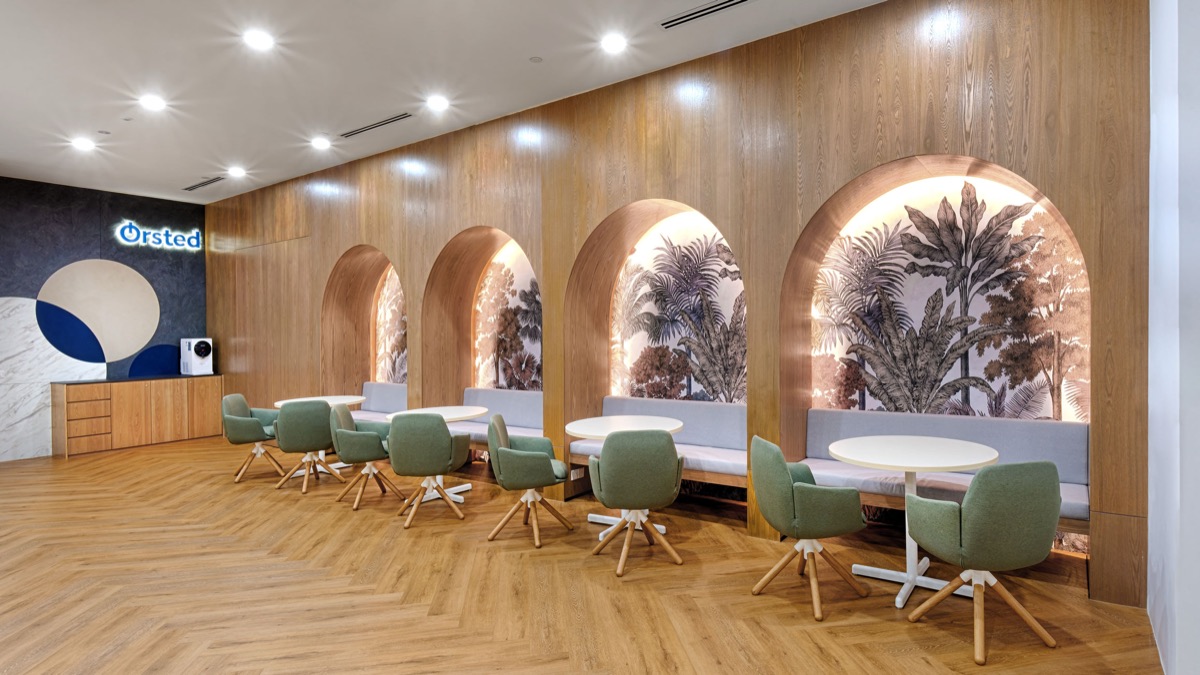
The most effective step is to avoid unnecessary replacement. Retaining sound partitions, ceilings, raised floors, furniture and services avoids cost, disruption and embodied carbon at once. Before specifying new, ask what can be kept, refurbished or repurposed. This simple discipline often delivers the biggest sustainability and cost benefit.
Design for disassembly and change
Designing so components can be separated and reused, rather than glued or fixed permanently, makes future change easier and supports reuse at the next fit-out. Modular, demountable elements and standardised details help. This also aligns with flexibility, since spaces that adapt easily are replaced less often.
Material choices and end of use
Choose durable materials with good service life, consider maintenance and repairability, and favour options that can be recovered or recycled. Consider verified environmental information alongside performance. Thinking about end of use at the design stage keeps materials circulating. See our sustainable office design guide and consultancy.
Frequently asked questions
What is circular interior design?
Circular commercial interior design aims to keep materials in use and reduce waste and embodied carbon. It prioritises retaining and reusing existing elements, designing for disassembly and change, and choosing durable, recoverable materials, rather than treating a fit-out as disposable.
How does circular design reduce carbon?
Mainly by avoiding unnecessary replacement. Retaining and reusing sound elements avoids the embodied carbon of new materials and the waste of demolition. Durable, recoverable materials and design for disassembly extend material life, further lowering impact over time.
What is design for disassembly?
Design for disassembly means specifying components so they can be separated and reused rather than permanently fixed. Modular, demountable elements and standardised details make future change easier and allow materials to be reused at the next fit-out instead of being discarded.
Is circular design more expensive?
Not necessarily. Reusing sound existing elements often saves cost as well as carbon. Durable materials may cost more upfront but last longer and can be recovered. The biggest savings usually come from avoiding unnecessary replacement in the first place.
How do I start with circular design in a fit-out?
Begin by asking what does not need replacing, and retain, refurbish or repurpose sound elements. Then design new components for disassembly and choose durable, recoverable materials, considering end of use from the start. This order delivers the most benefit.