WELL and LEED are both certifications relevant to office interiors, but with different focuses. LEED centres on environmental performance, such as energy, materials and resources. WELL centres on human health and wellbeing, such as air, light, comfort and mind. Many projects pursue aspects of both; the right choice depends on your priorities.
Key takeaways
- LEED focuses on environmental performance and resources.
- WELL focuses on human health and wellbeing.
- The two are complementary, not mutually exclusive.
- Certification goals should be set early in design.
- Choose based on your sustainability and wellbeing priorities.
What LEED focuses on
LEED (Leadership in Energy and Environmental Design) is an environmental performance framework. For interiors it addresses energy efficiency, materials and resources, indoor environmental quality, water and waste, among others. Its emphasis is on reducing the environmental impact of a space and demonstrating responsible resource use.
What WELL focuses on
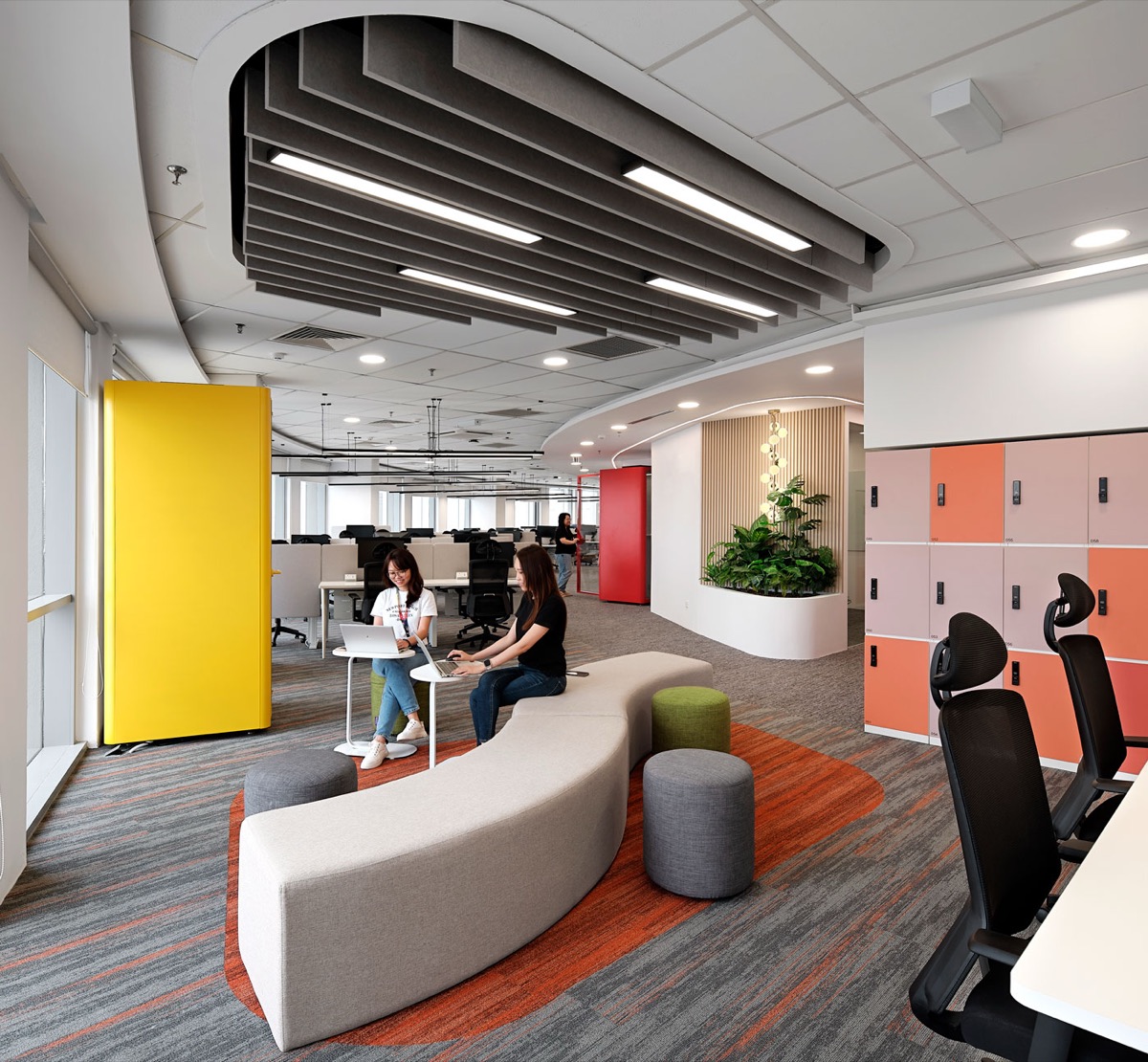
WELL is a human health and wellbeing framework. It addresses factors such as air and water quality, light, thermal and acoustic comfort, movement, and support for mental wellbeing. Its emphasis is on how a space affects the people in it, making it particularly relevant to workplaces focused on employee health and experience.
How they relate
WELL and LEED overlap in areas such as indoor environmental quality but have different primary goals: environmental performance versus human wellbeing. They are complementary, and many organisations pursue elements of both. Neither is simply better; they answer different questions about a building's performance.
Choosing for your project
Decide based on priorities. If reducing environmental impact and demonstrating resource responsibility lead your goals, LEED fits. If employee health, comfort and experience lead, WELL fits. Many projects target both. Set certification goals early, as they influence design decisions. See our sustainable office design guide.
Frequently asked questions
What is the difference between WELL and LEED?
LEED focuses on environmental performance, such as energy, materials, resources and indoor environmental quality. WELL focuses on human health and wellbeing, such as air, light, comfort and mental wellbeing. They overlap in some areas but answer different questions about a space.
Is WELL or LEED better for an office?
Neither is simply better; they have different priorities. LEED suits goals centred on environmental impact and resource responsibility, while WELL suits goals centred on employee health, comfort and experience. Many offices pursue elements of both, depending on their priorities.
Can a project be both WELL and LEED certified?
Yes. The frameworks are complementary, and many organisations pursue both or elements of each. They overlap in areas such as indoor environmental quality, so pursuing both can be efficient when health and environmental goals are both priorities.
When should I decide on certification?
Early, during design. Certification goals influence layout, materials, systems and documentation, so deciding at the start is far more efficient than retrofitting requirements later. Setting clear goals early also helps the design team target the right credits.
Do I need certification to have a healthy, sustainable office?
No. Certification provides a recognised framework and verification, but many of the underlying principles, good air, light, comfort, efficient systems and responsible materials, can be applied without formal certification. Certification adds structure and credibility when those matter to you.