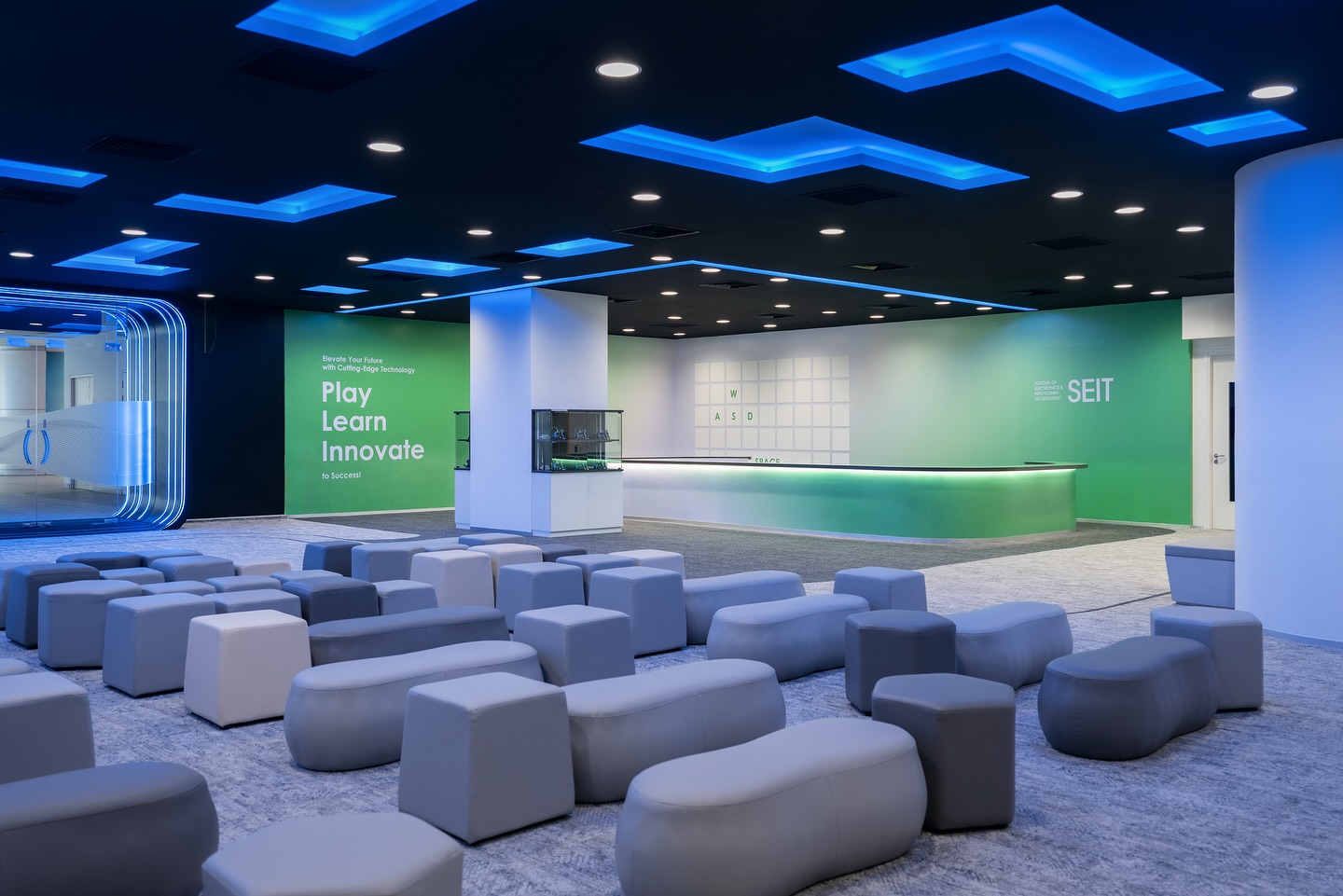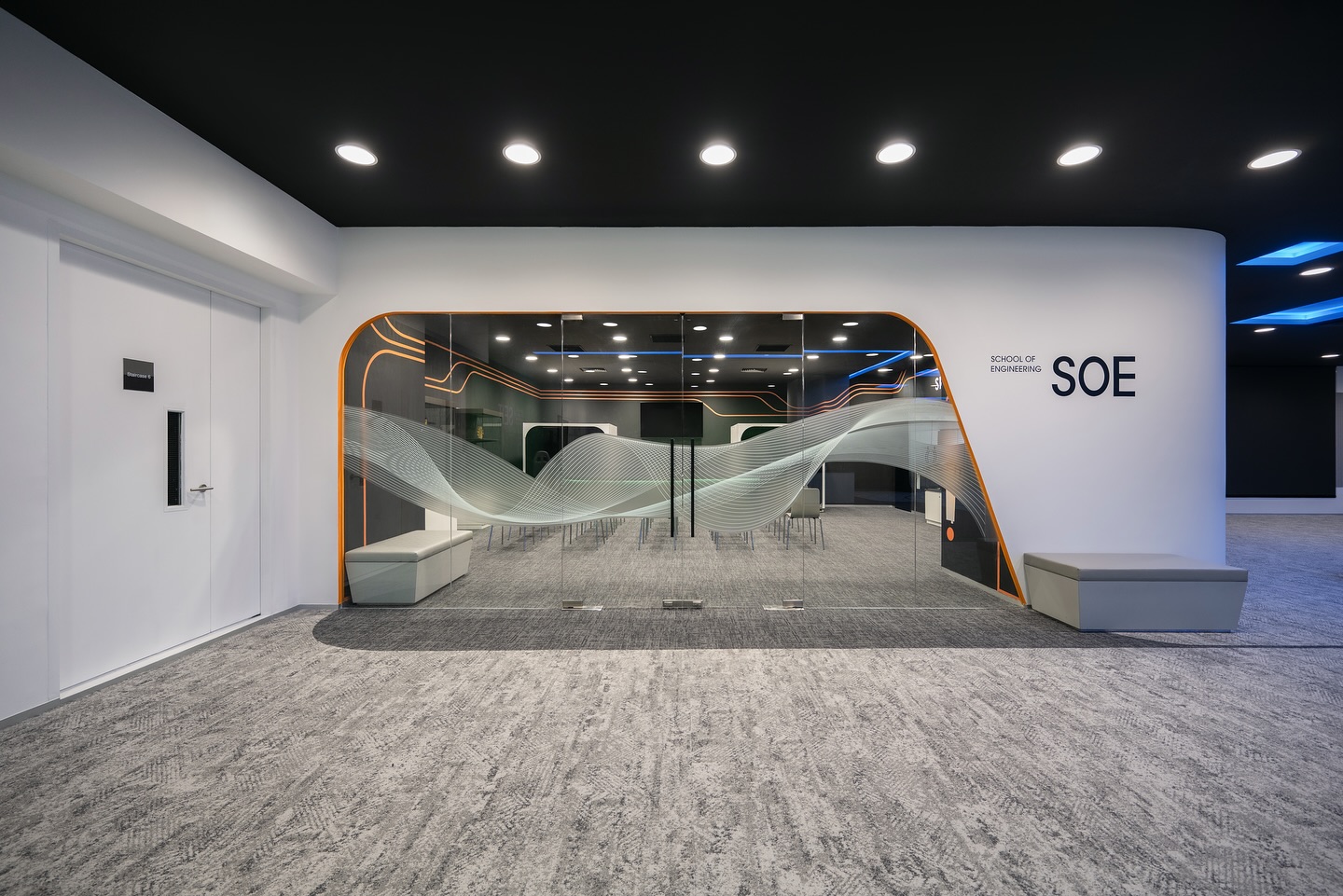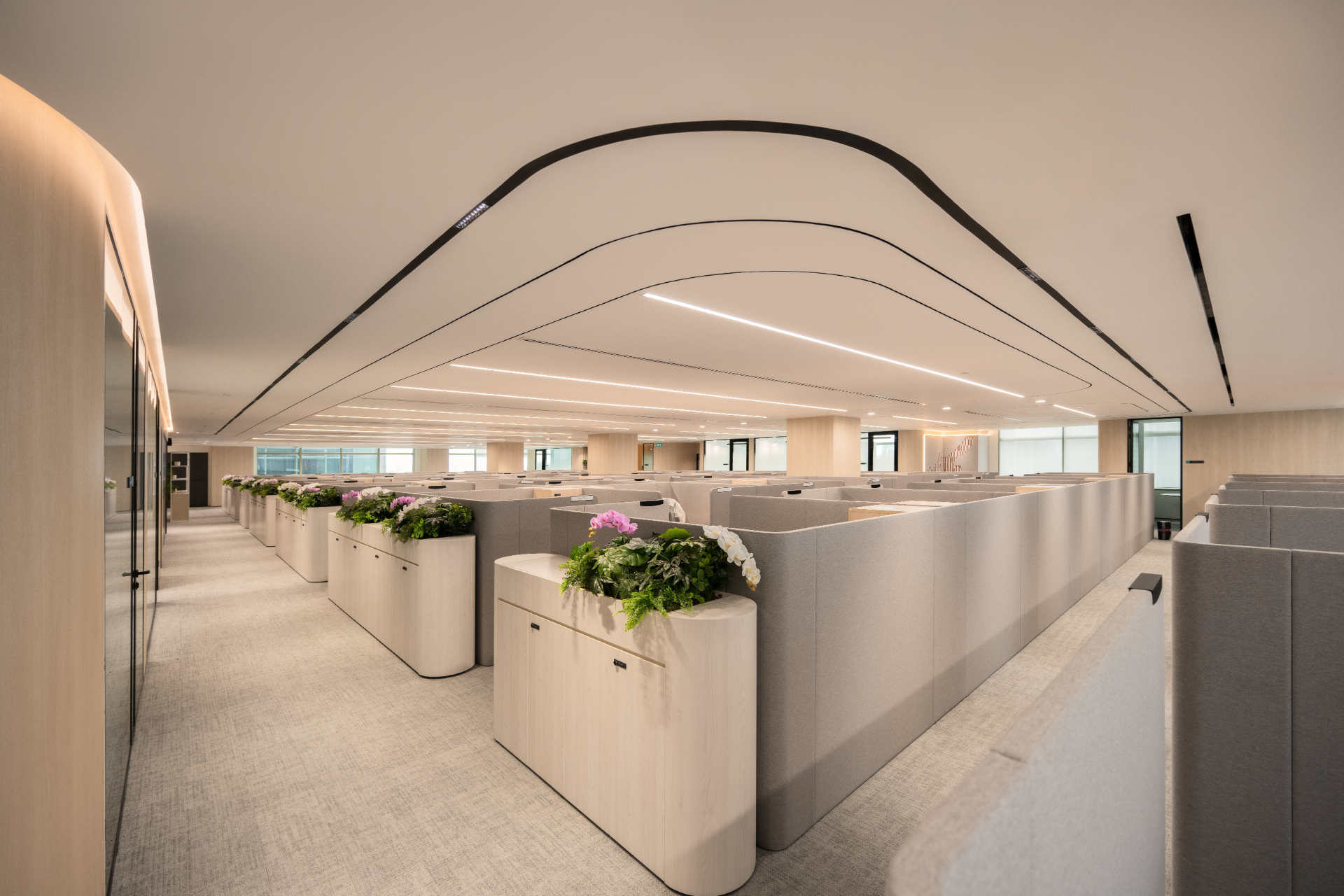
Creative office interior design works when originality supports function rather than fighting it. Distinctive zones, playful graphics and unusual settings add character, but they must still respect acoustics, flexibility, maintenance and real work patterns. The best creative offices are memorable and operationally sound at the same time.
Key takeaways
- Creativity should support function, not compete with it.
- Distinctive zones work when they still serve real tasks.
- Protect acoustics: character means nothing if the space is too loud.
- Design for maintenance and change, not just the launch photo.
- Express culture through experience and detail, not gimmicks.
Creativity that still works
A creative office earns attention by being distinctive, but it keeps that goodwill by working. Feature settings, bold graphics and unusual spaces add identity, yet they still need to support focus, collaboration and movement. The test for any creative idea is simple: does it also do a job?
Ideas that add character and function
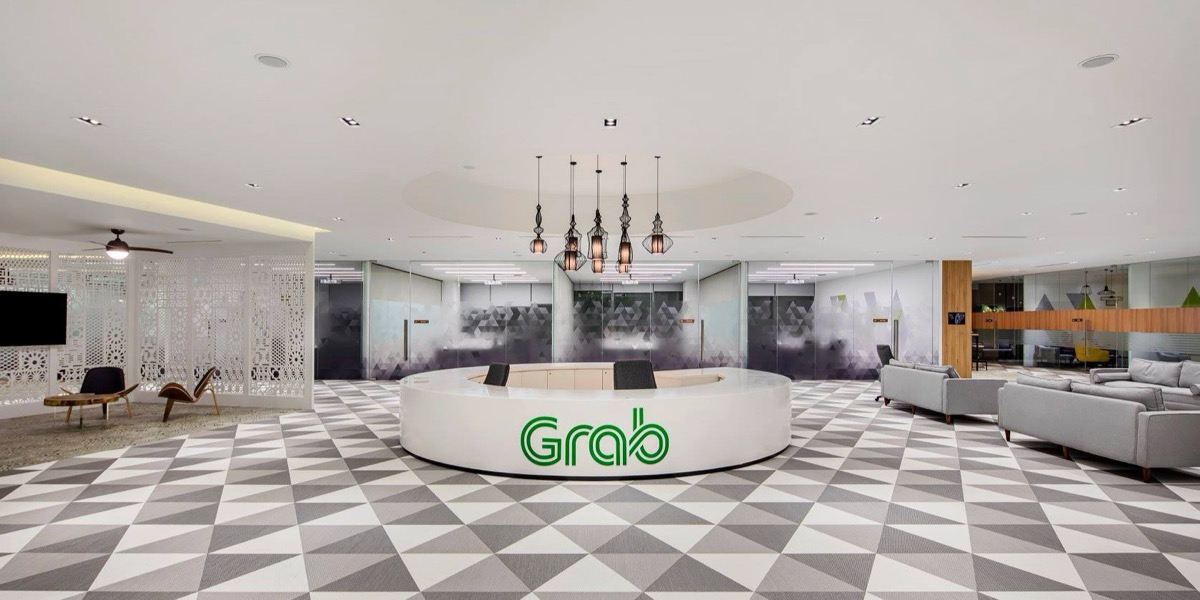
Think of a feature stair that doubles as informal seating, a themed cafe that hosts meetings outside meal times, or storytelling graphics that also aid wayfinding. These ideas are memorable because they are useful. Character that serves a purpose feels confident; decoration for its own sake dates quickly.
Pitfalls to avoid
Watch for creative choices that harm daily life: hard surfaces that wreck acoustics, novelty furniture that is uncomfortable, or fixed theming that cannot change. Protect acoustics, comfort and flexibility first. A loud, impractical office undermines the creativity it was meant to express.
Express culture through experience
The most convincing creative offices express culture through how the space works, the arrival, the rituals it supports, the choices it offers, rather than through gimmicks. Start from your people and brand, then let creativity solve real problems. Our consultancy approach balances originality with operational sense.
Frequently asked questions
How can an office be creative and still functional?
By making creative elements serve a purpose: feature settings that support real tasks, graphics that aid wayfinding, unusual spaces that host genuine activities. Protect acoustics, comfort and flexibility first, so originality adds character without harming daily use.
What are good creative office design ideas?
Multi-use features such as a stair that doubles as seating, a cafe that hosts meetings, storytelling graphics that also help navigation, and varied settings that offer choice. Ideas that are both memorable and useful age far better than pure decoration.
What creative design mistakes should I avoid?
Hard surfaces that damage acoustics, novelty furniture that is uncomfortable, and fixed theming that cannot adapt. These harm daily experience and flexibility. Creativity should never come at the cost of comfort or the ability to change.
Does a creative office help with hiring?
A distinctive, well-functioning workplace can support employer brand and talent attraction. The effect comes from a space that feels good to work in and expresses culture authentically, not from novelty alone, which wears off quickly.
How do I keep a creative office from dating quickly?
Express identity through experience, layout and detail rather than trend-driven theming, and build in flexibility. Elements that serve a function stay relevant, while purely decorative statements tend to look dated as fashions change.