Hidden office fit-out costs are usually items left off the first budget: authority submissions, surveys, base-build upgrades, after-hours work, IT and audio-visual, signage, furniture delivery, make-good at the old space, and contingency. Listing them from the start keeps the budget realistic and prevents late surprises.
Key takeaways
- Most overruns come from costs that were never listed, not price rises.
- Authority submissions, surveys and base-build upgrades are often forgotten.
- IT, audio-visual, signage and furniture logistics add up quickly.
- Make-good at your old premises is a common surprise.
- A contingency and a complete budget list prevent most shocks.
Approvals, surveys and base build
Early forgotten costs include authority and landlord submissions, measured and condition surveys, and base-build upgrades such as additional power, air-conditioning changes or fire-system works. These are not optional, and discovering them late distorts the budget. Identify them during feasibility, not during construction.
Technology, furniture and signage
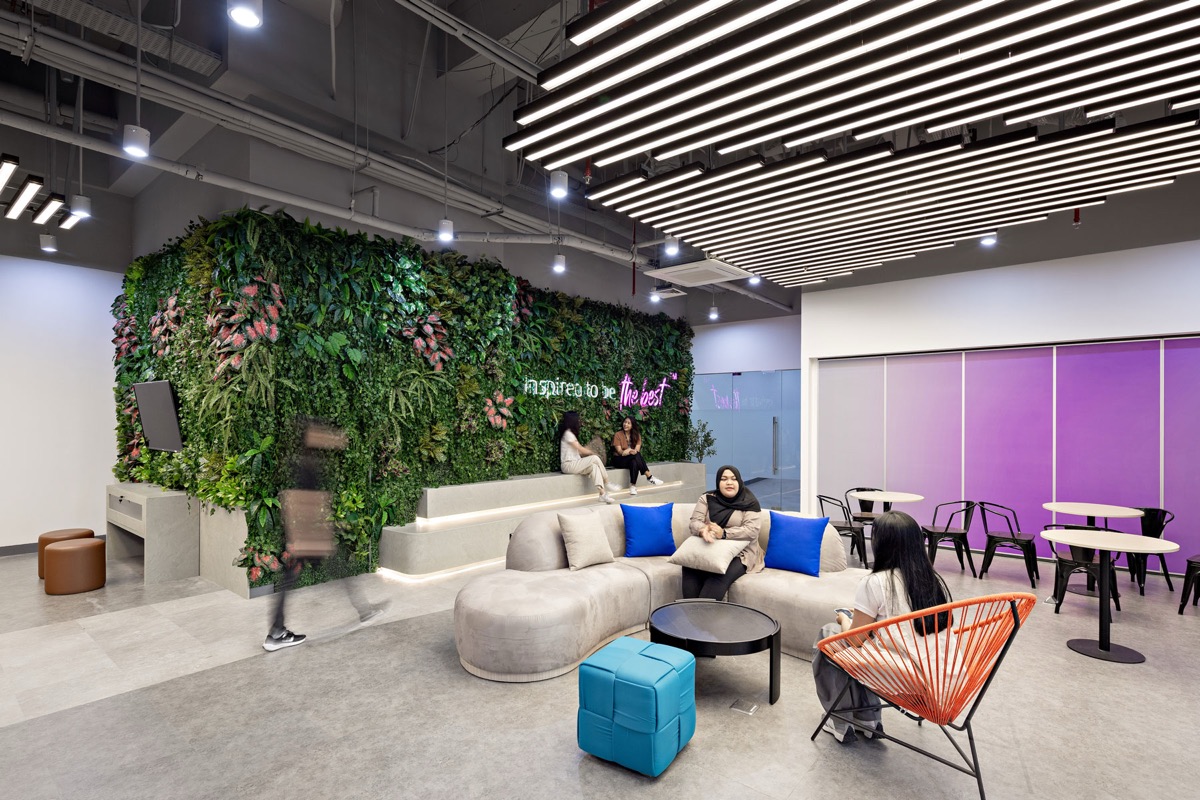
IT infrastructure, cabling, audio-visual, security, access control, signage and wayfinding are frequently under-budgeted. So is furniture, including delivery, installation and the lead times that can affect your move date. These items are easy to overlook on a construction-focused budget but are essential to a working office.
The move and make-good
Two of the most forgotten costs sit at either end of the project: the physical move, and make-good or reinstatement of your old premises required by the outgoing lease. Both can be significant. Check your current lease for make-good obligations early, because they can influence whether to stay or relocate.
Contingency and professional costs
Finally, allow for professional fees and a contingency of around ten percent, more for older buildings. Contingency is not waste; it absorbs existing-condition surprises and change so the project is not derailed. For the full picture, see our cost per square metre guide.
Frequently asked questions
What are the most commonly forgotten office fit-out costs?
Authority and landlord submissions, surveys, base-build upgrades, after-hours work, IT and audio-visual, signage, furniture delivery and installation, the physical move, make-good of the old premises, and contingency. These are often missing from a first, construction-focused budget.
What is make-good in an office lease?
Make-good, or reinstatement, is the obligation to return a leased space to a defined condition when you leave. It can be a significant cost at the end of a lease, so check your current agreement early, as it may influence the stay-or-relocate decision.
How do I avoid budget surprises in a fit-out?
Build a complete budget early that includes submissions, surveys, base-build upgrades, technology, furniture, the move, make-good and contingency. Identifying these during feasibility, not construction, keeps the budget realistic and prevents late shocks.
Why is furniture often under-budgeted?
Because its cost, delivery, installation and lead times are easy to overlook on a construction-focused budget. Long lead items can also affect your move date, so furniture should be planned and budgeted alongside the build, not as an afterthought.
How much contingency covers hidden costs?
Around ten percent is a sensible starting point, and more for older or untested buildings. Contingency absorbs existing-condition surprises and change. Combined with a complete budget list, it prevents most of the shocks that cause overruns.