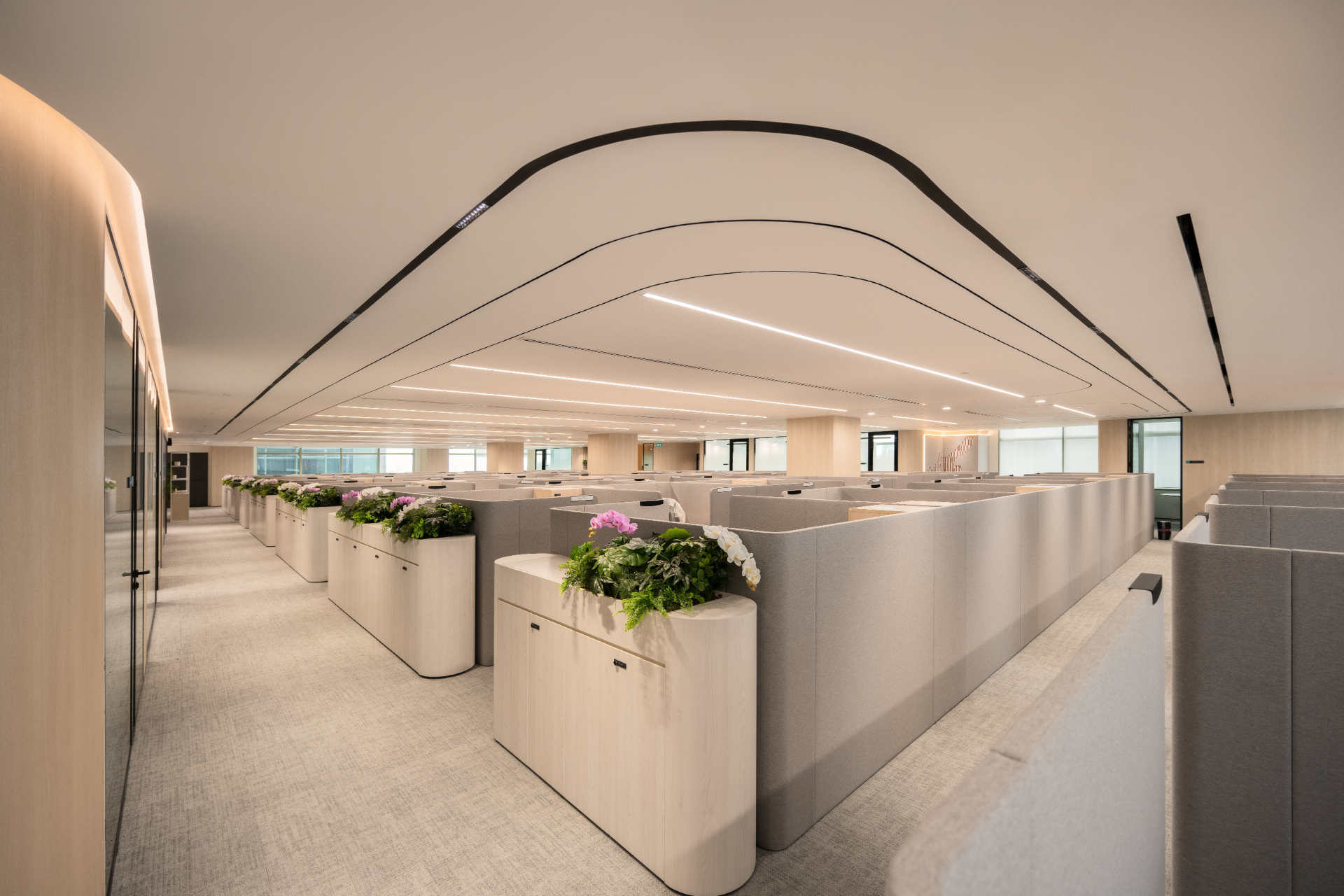
An interior designer shapes the look, function and experience of a space; an interior architect focuses more on spatial structure, technical detailing and building integration; a design consultant leads strategy and advises on the whole project. The titles overlap, so judge a firm by its actual scope and experience, not its label.
Key takeaways
- The three titles overlap and are used loosely across markets.
- Interior designers lead look, function and experience.
- Interior architects lean toward spatial structure and technical detail.
- Design consultants lead strategy and advise across the whole project.
- Judge by scope and experience, not the job title alone.
The interior designer
An interior designer shapes how a space looks, functions and feels: layout, materials, lighting, furniture and the overall experience. In commercial work this includes meeting codes, durability and brand. For most business interiors, the interior designer leads the day-to-day design.
The interior architect
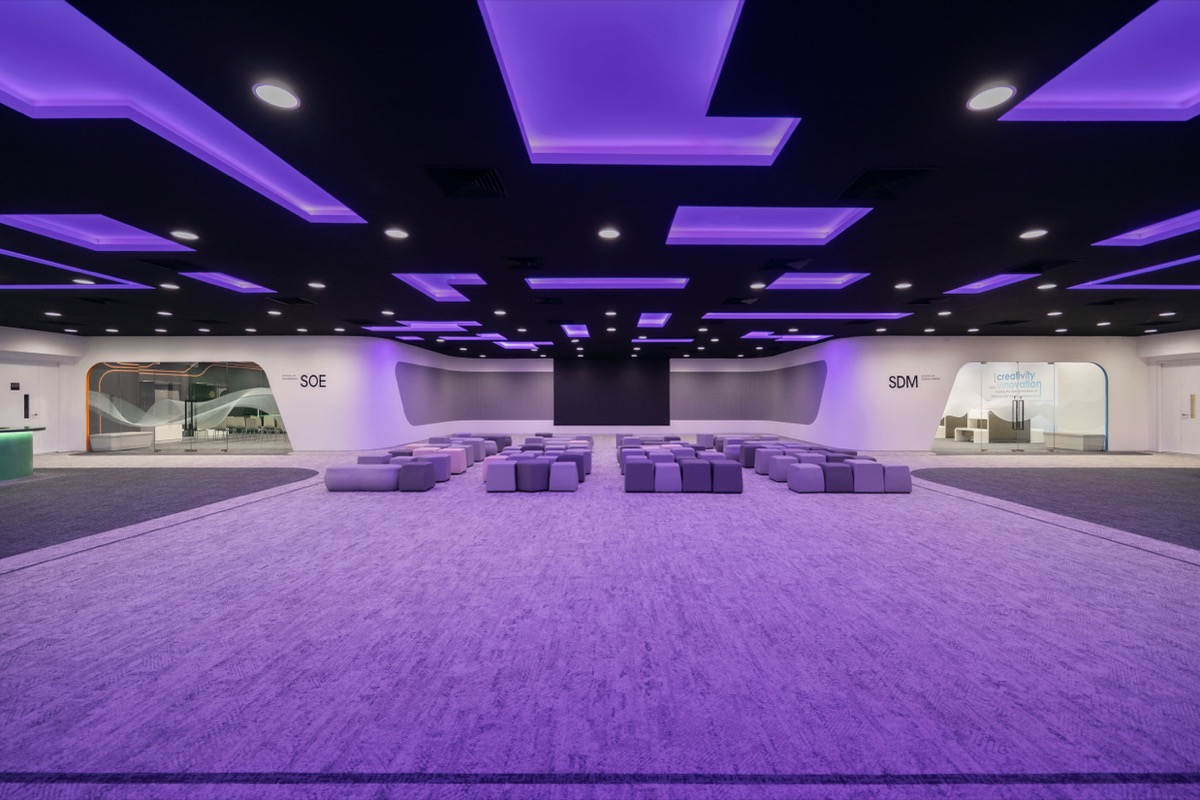
An interior architect places more emphasis on spatial structure, technical detailing and integration with the building: partitions, ceilings, services coordination and construction detail. The distinction varies by country and title regulation. In practice the roles frequently merge within one experienced team.
The design consultant
A design consultant works at a broader level, leading strategy and advising across briefing, feasibility, procurement and delivery. A consultant may bring designers and architects together and remain accountable for the overall outcome. This is the role businesses need when the challenge is as much about process and decisions as about drawings.
Who your project actually needs
For a commercial fit-out you usually need the capabilities of all three, delivered by one accountable team rather than three separate hires. Focus on whether the firm can cover strategy, design, technical detail and coordination for your project. Explore our consultancy to see how these roles combine in practice.
Frequently asked questions
What is the difference between an interior designer and an interior architect?
An interior designer leads look, function and experience, while an interior architect focuses more on spatial structure, technical detailing and building integration. The distinction varies by country and title regulation, and the roles often merge within one experienced team.
What does a design consultant do that a designer does not?
A design consultant works at a broader level, leading strategy and advising across briefing, feasibility, procurement and delivery. A consultant may coordinate designers and architects and stays accountable for the overall project outcome, not just the drawings.
Which should I hire for a commercial fit-out?
Usually a firm that provides all three capabilities under one accountable team: strategy, design, technical detail and coordination. Focus on whether the firm can cover your project end to end rather than on a single job title.
Are interior architect and interior designer protected titles?
It depends on the country. Some regulate the use of architect-related titles, while interior designer is used more freely. Because usage varies, judge a firm by its demonstrated scope and experience rather than its label.
Do I need all three roles on my project?
You need the capabilities, not necessarily three separate hires. A good commercial firm combines strategy, design and technical detailing within one team, which is simpler to manage and clearer on accountability than engaging three parties.