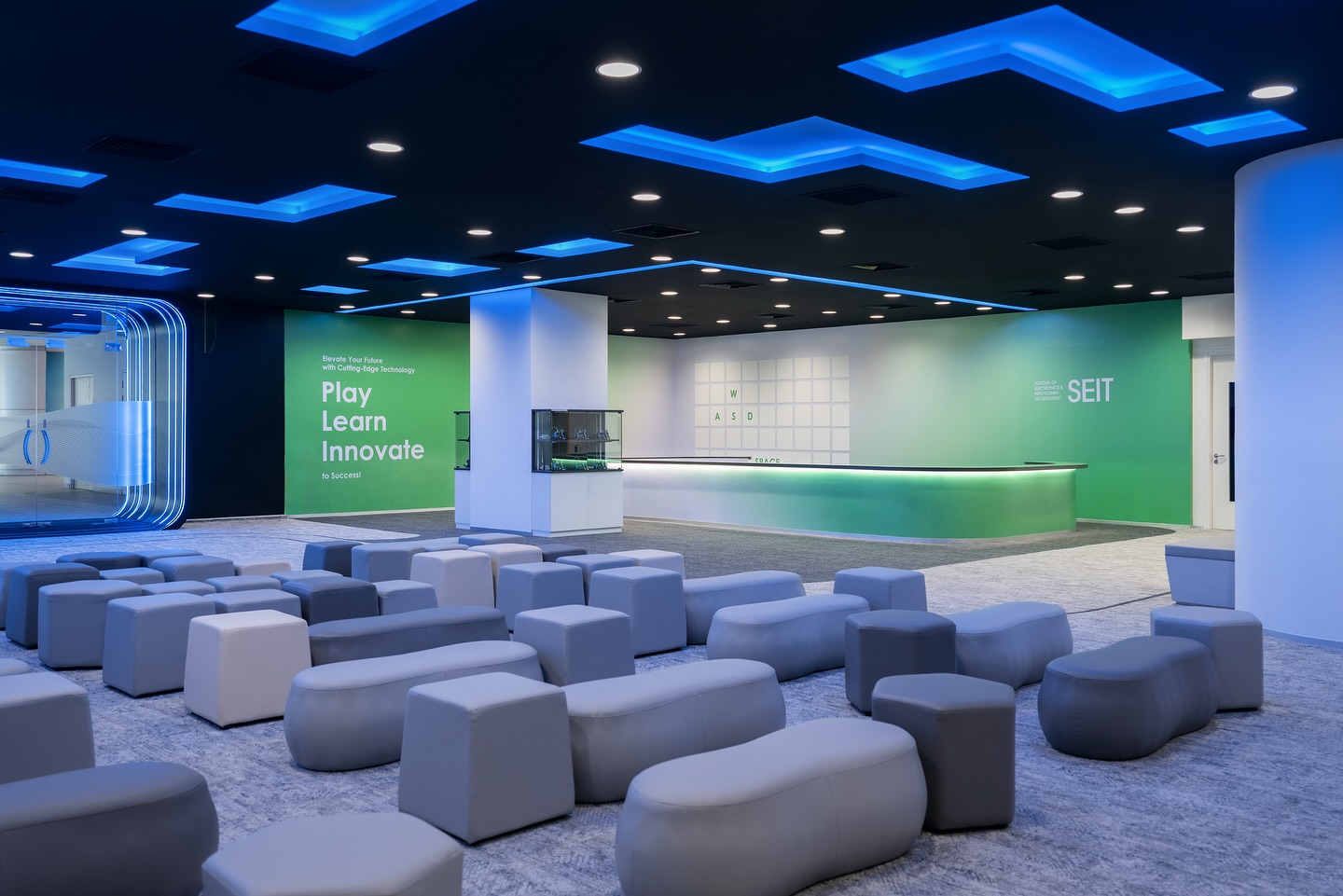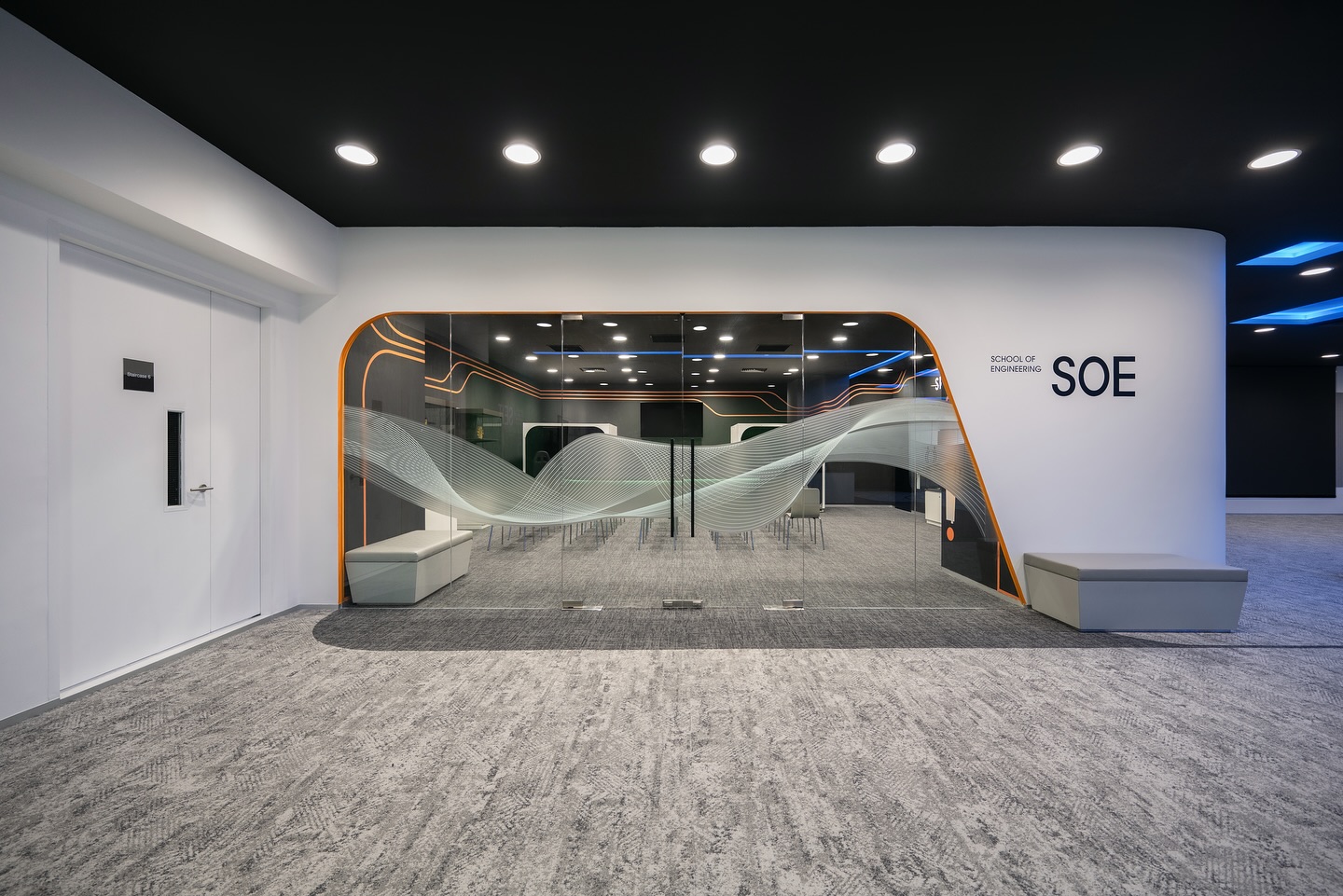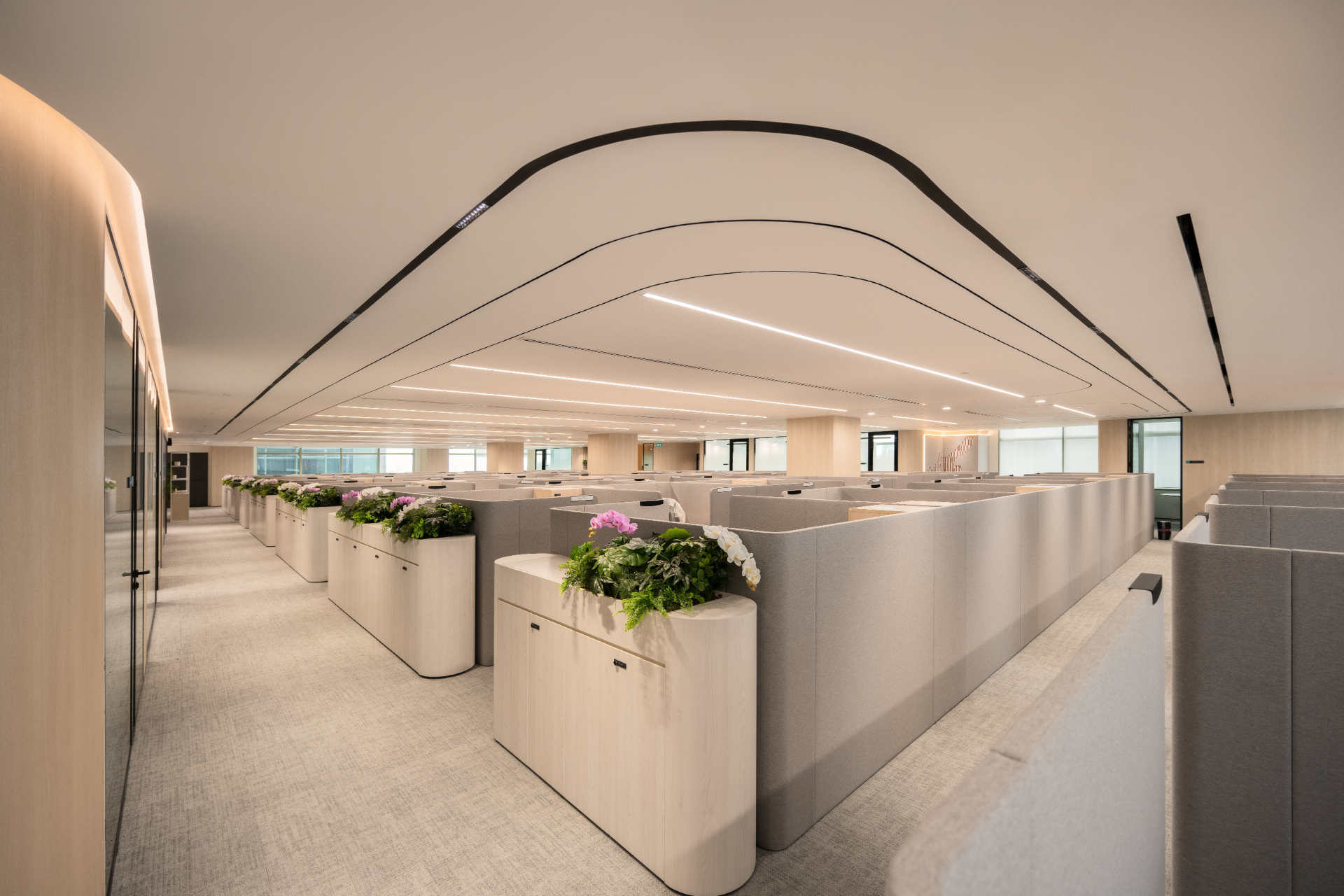
A luxury office interior comes from restraint, proportion and craft rather than expensive materials everywhere. Concentrate premium spend on arrival areas, key touchpoints and lighting, keep the broad palette calm and durable, and let quality detailing do the work. This produces a high-end feel without wasting budget.
Key takeaways
- Luxury reads as restraint and craft, not expensive materials everywhere.
- Concentrate premium spend on arrival, touchpoints and lighting.
- A calm, consistent palette feels more refined than many rich finishes.
- Detailing and proportion matter more than cost per material.
- Protect comfort fundamentals: acoustics and lighting define a premium feel.
Where a luxury feel actually comes from
High-end interiors feel considered, not expensive. The sense of luxury comes from proportion, consistent detailing, good lighting and quiet material quality in the places people touch and see closely. Spreading premium finishes thinly across an entire floor rarely reads as luxury; concentrating craft where it counts does.
Where premium spend pays off
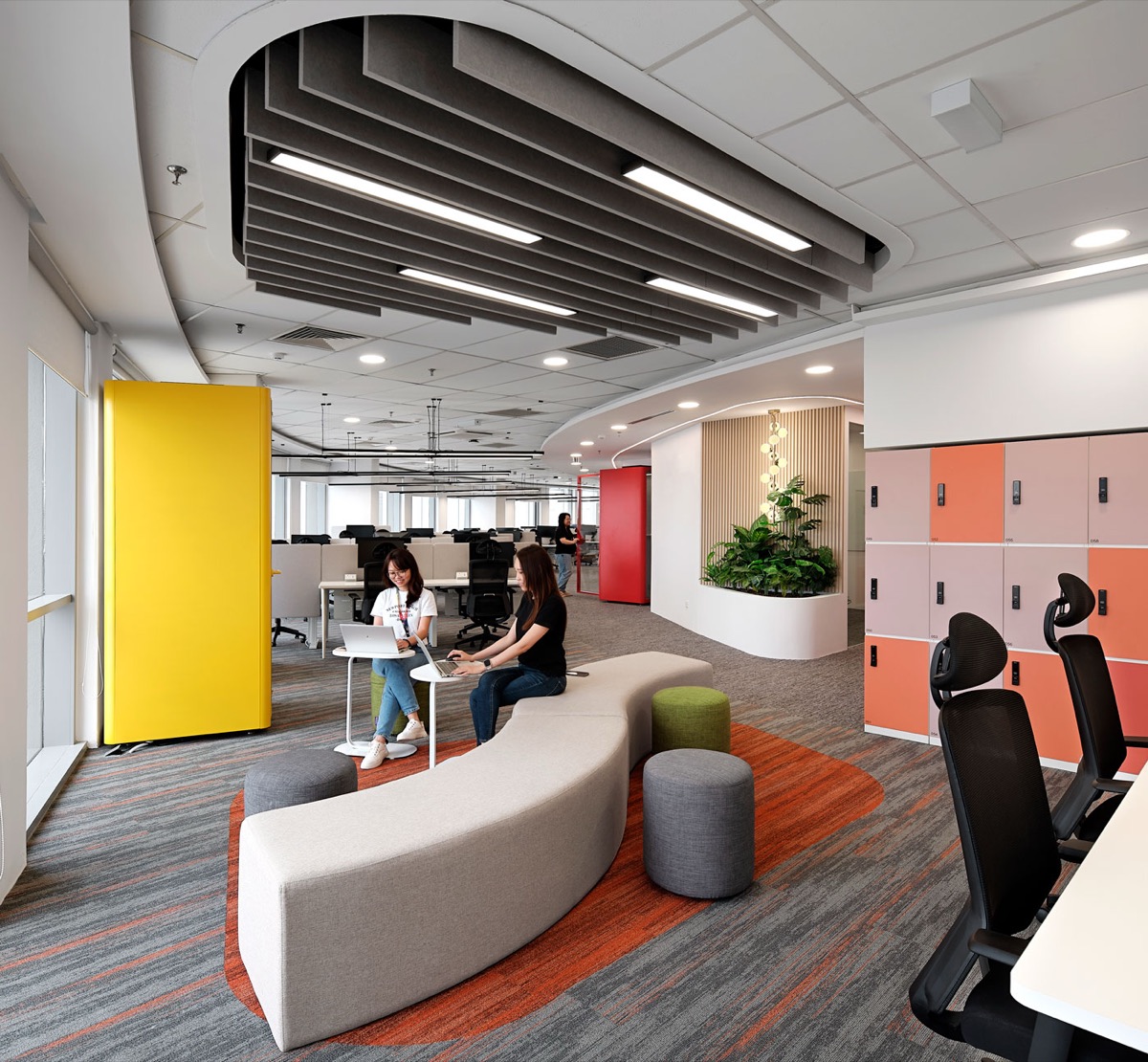
Invest in the arrival sequence, client-facing rooms, and the touchpoints people experience directly: reception joinery, a feature wall, door hardware, lighting and seating. These are the moments that form impressions. Lighting in particular transforms perception of quality for a modest share of budget.
Where not to over-spend
Avoid premium finishes in back-of-house, high-wear circulation and areas users pass through quickly. Durable, well-detailed standard materials perform better here and free budget for the moments that matter. Over-specifying everywhere is the most common way luxury budgets are wasted.
Getting the balance right
A calm, consistent palette with a few well-chosen premium moments feels more refined than a mix of rich materials competing for attention. Protect acoustics and lighting, because discomfort undermines any premium intent. A design consultancy process helps target spend where it changes perception.
Frequently asked questions
How do I make an office feel luxurious on a budget?
Concentrate premium spend on arrival areas, client-facing rooms and touchpoints, keep the broad palette calm and durable, and invest in lighting and detailing. A sense of luxury comes from restraint and craft, not expensive materials across the whole floor.
Where should I spend money in a premium office?
On the arrival sequence, reception, client suites and the touchpoints people use directly, plus lighting. These shape impressions most. Lighting especially lifts the perceived quality of a space for a relatively small share of the budget.
What makes an interior look expensive?
Proportion, consistency, good lighting and quality detailing where people look closely. A restrained, coherent palette reads as more refined than many rich materials. Expensive-looking usually means considered, not costly everywhere.
Is luxury office design worth it?
When it supports brand, client experience or talent attraction, targeted premium spend pays off. The key is to focus it on high-impact moments rather than spreading it thinly, which wastes budget without creating a premium feel.
What is the most common luxury-budget mistake?
Specifying premium finishes everywhere, including back-of-house and high-wear areas. This drains budget without improving the moments that matter. Durable standard materials there free spend for arrival and client-facing touchpoints.