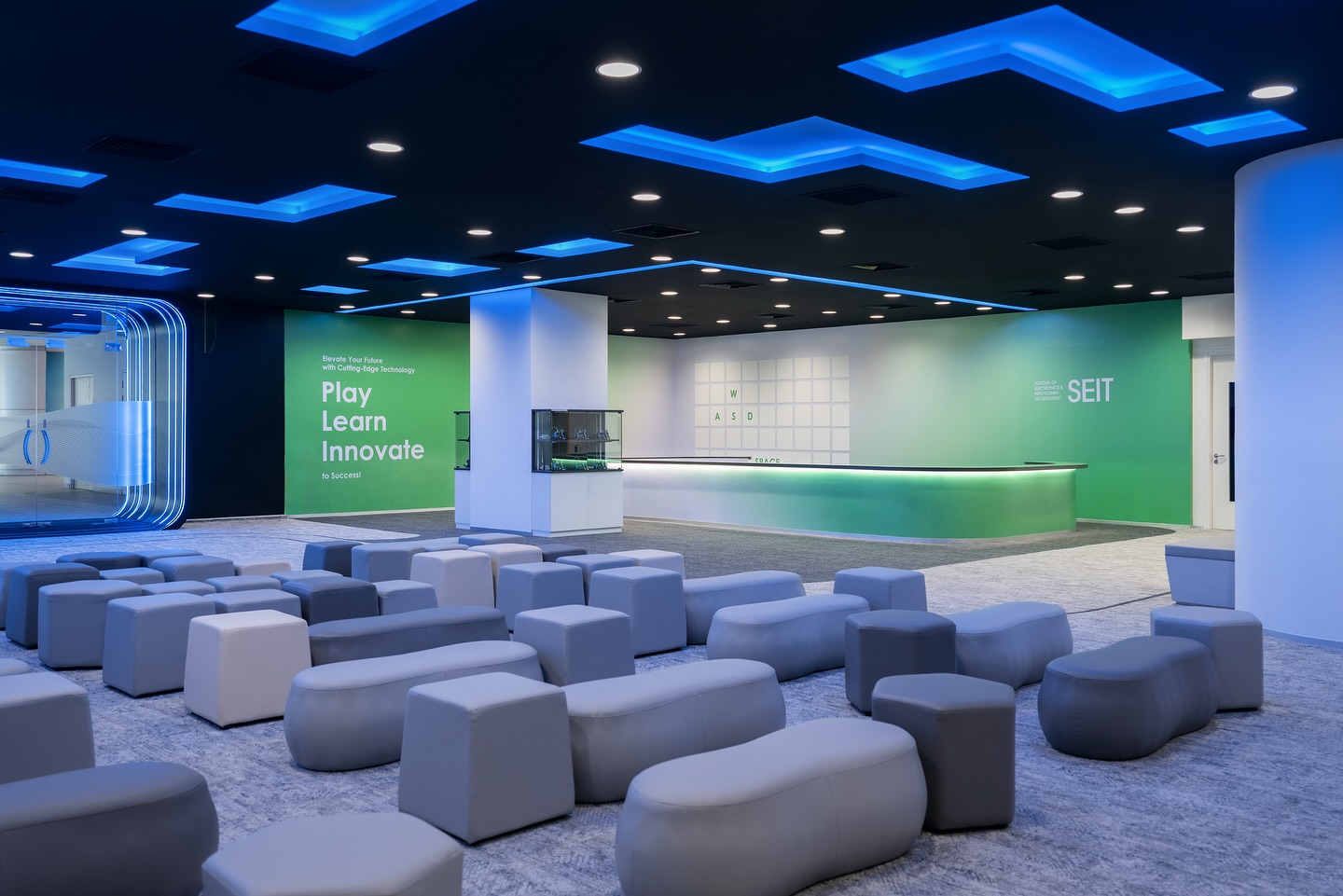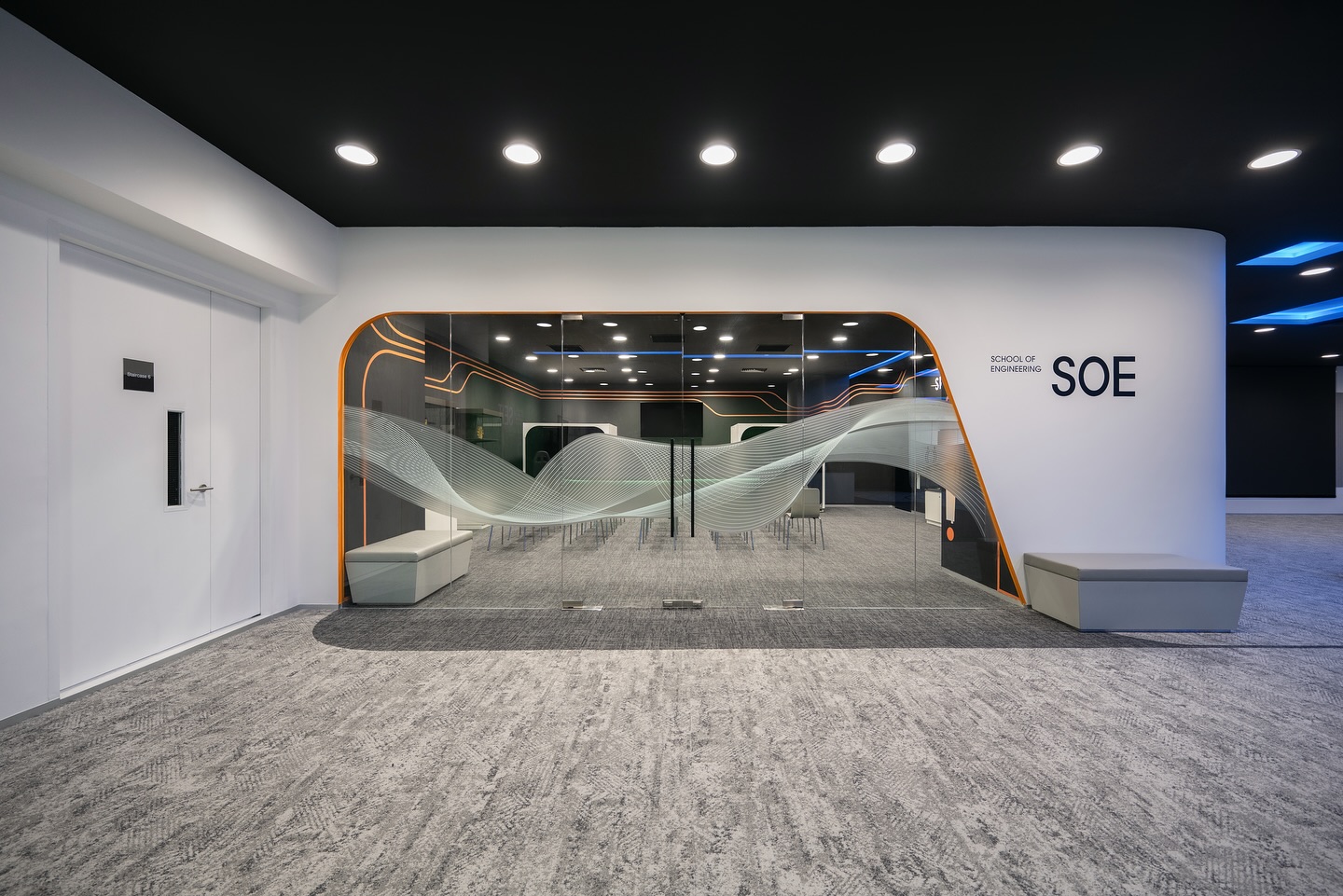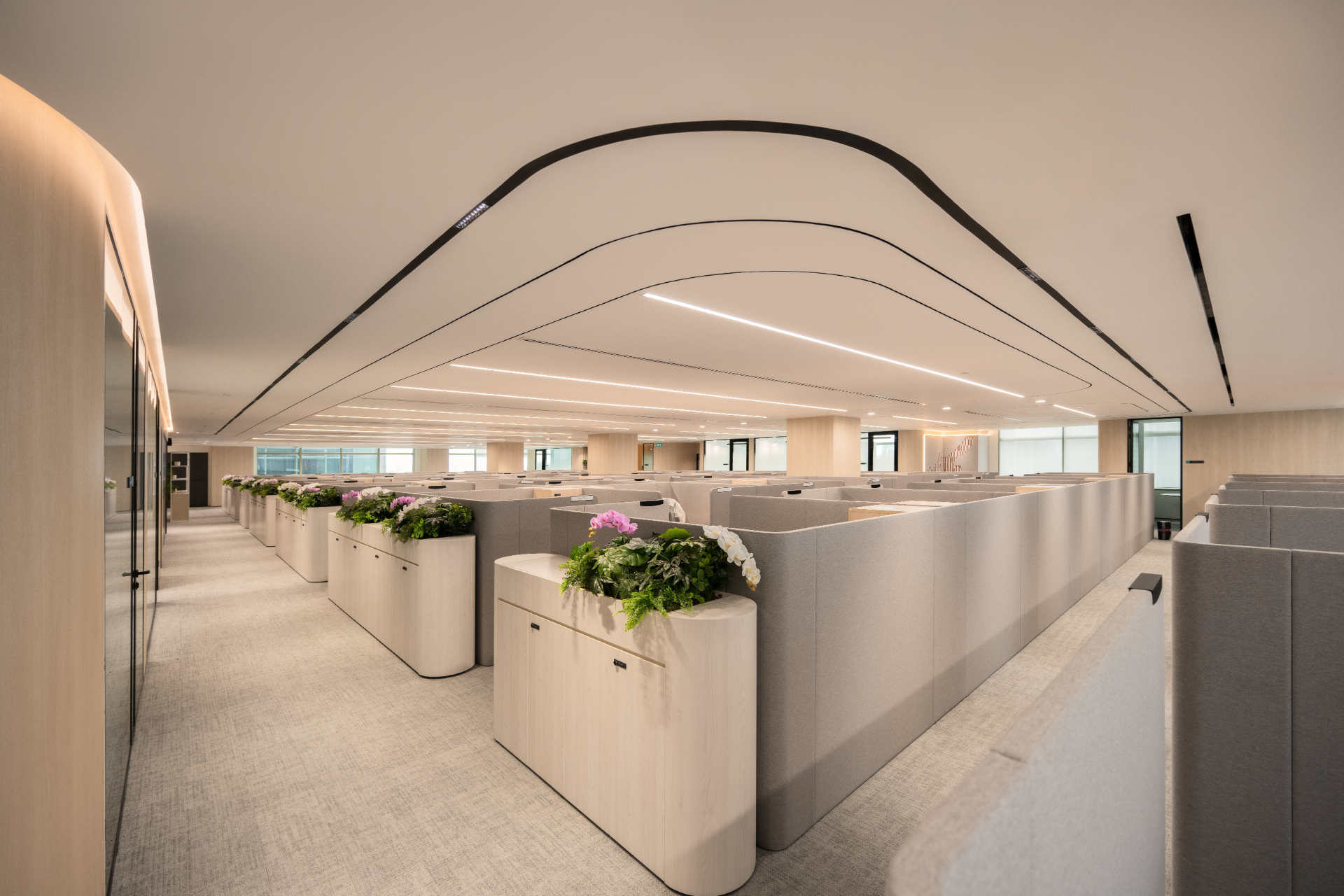
An office fit-out turns a new or bare space into a working office, while a renovation updates an existing, occupied or dated office. Fit-outs are usually more comprehensive and align with a new lease; renovations are more constrained by existing conditions and occupation. Scope, cost and timeline differ accordingly.
Key takeaways
- A fit-out outfits a new or bare space; a renovation updates an existing one.
- Fit-outs are usually broader; renovations are shaped by existing conditions.
- Renovating an occupied office adds phasing and disruption considerations.
- Cost depends more on scope and condition than on the label.
- Choose based on the building, lease position and goals, not terminology.
What each term means
A fit-out takes a new or shell space and builds it into a functioning office: partitions, services, finishes, furniture and technology. A renovation updates an existing office, which may be occupied, improving layout, finishes or systems. The terms overlap, but the starting condition and context differ, and that drives everything else.
Scope and cost
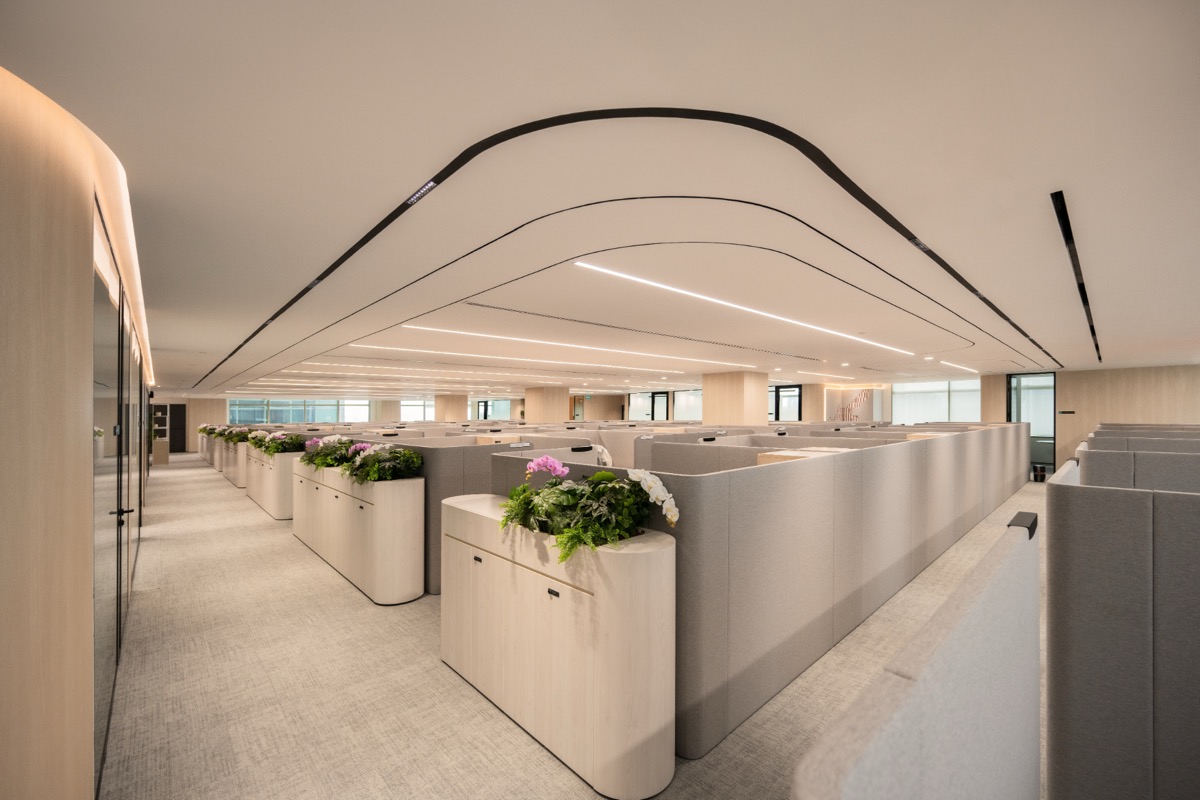
Fit-outs are often more comprehensive because they build a complete office from a blank space, typically with a new lease. Renovations are shaped and sometimes limited by existing structure, services and finishes. Cost depends more on scope and base condition than on the label: a deep renovation can cost as much as a fit-out.
Timeline and disruption
A new-space fit-out can often run continuously without disturbing an operating office. Renovating an occupied space usually needs phasing, out-of-hours work or temporary relocation, which affects programme and cost. Factor disruption and business continuity into the decision, not just the construction scope.
Which route to choose
Choose based on your building, lease position and goals. If you are taking new space, it is a fit-out. If you are improving where you are, it is a renovation, with phasing to manage. A feasibility review comparing stay-and-renovate against relocate-and-fit-out clarifies the best option. See our renovation timeline guide.
Frequently asked questions
What is the difference between an office fit-out and a renovation?
A fit-out builds a new or bare space into a working office, usually with a new lease, while a renovation updates an existing, sometimes occupied, office. The starting condition and context differ, which shapes scope, cost and timeline.
Is a fit-out more expensive than a renovation?
Not necessarily. Cost depends on scope and base-build condition more than the label. A comprehensive renovation, especially of an occupied space needing phasing, can cost as much as or more than a straightforward fit-out of a new space.
Can you renovate an office without closing it?
Often yes, through phasing, out-of-hours work or temporary relocation, but this adds programme and cost. Business continuity should be planned from the start, as working around an operating office is more complex than fitting out an empty one.
Should I renovate my current office or relocate?
It depends on whether the existing building can meet your needs and the cost of each route. Renovating avoids moving costs but is limited by the building; relocating can unlock a better space but adds moving and make-good costs. A feasibility study compares both.
How long does an office fit-out or renovation take?
A mid-sized project typically takes a few weeks to a few months on site, plus design and approvals beforehand. Renovations of occupied spaces often take longer because of phasing. Timelines depend on size, condition and complexity.