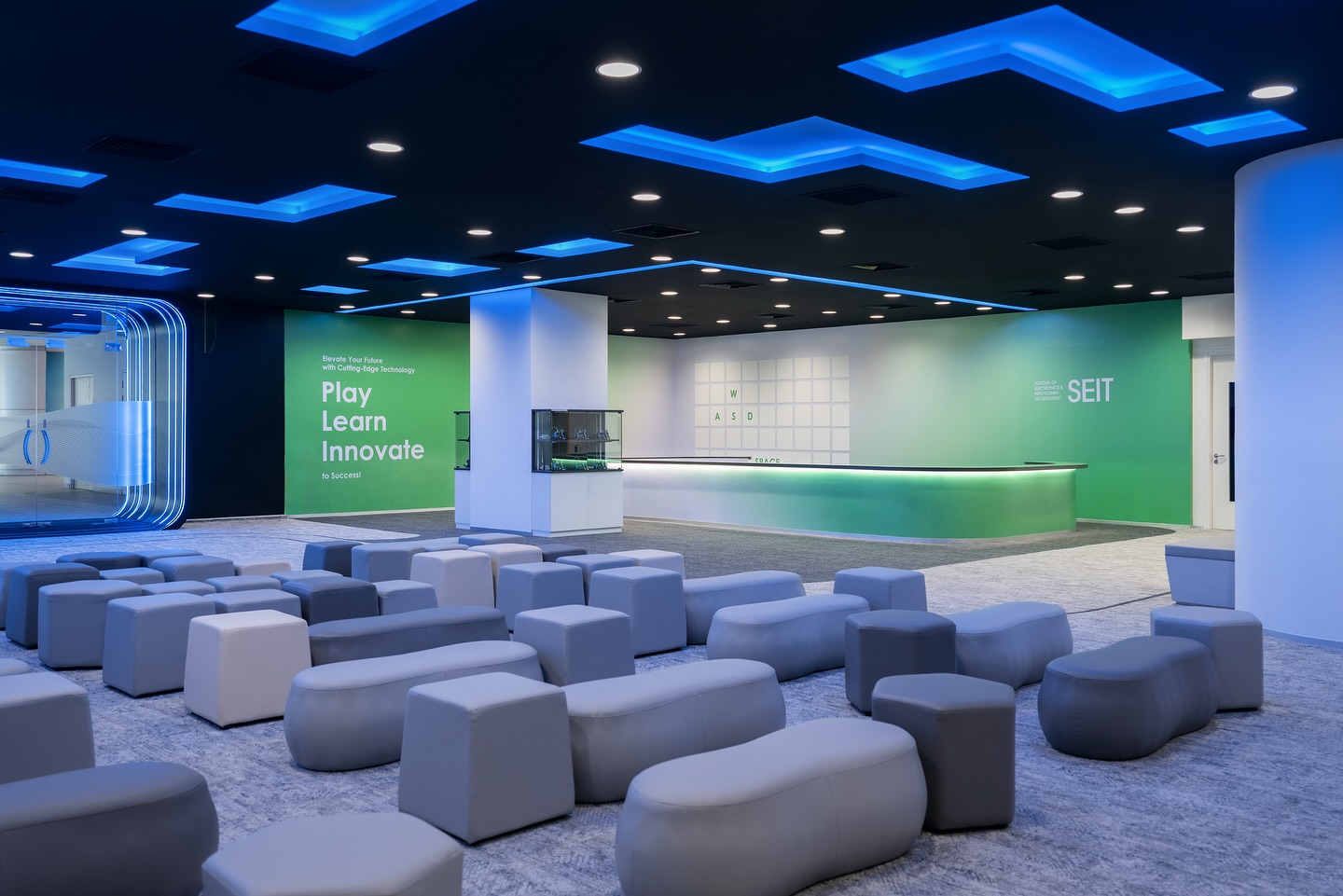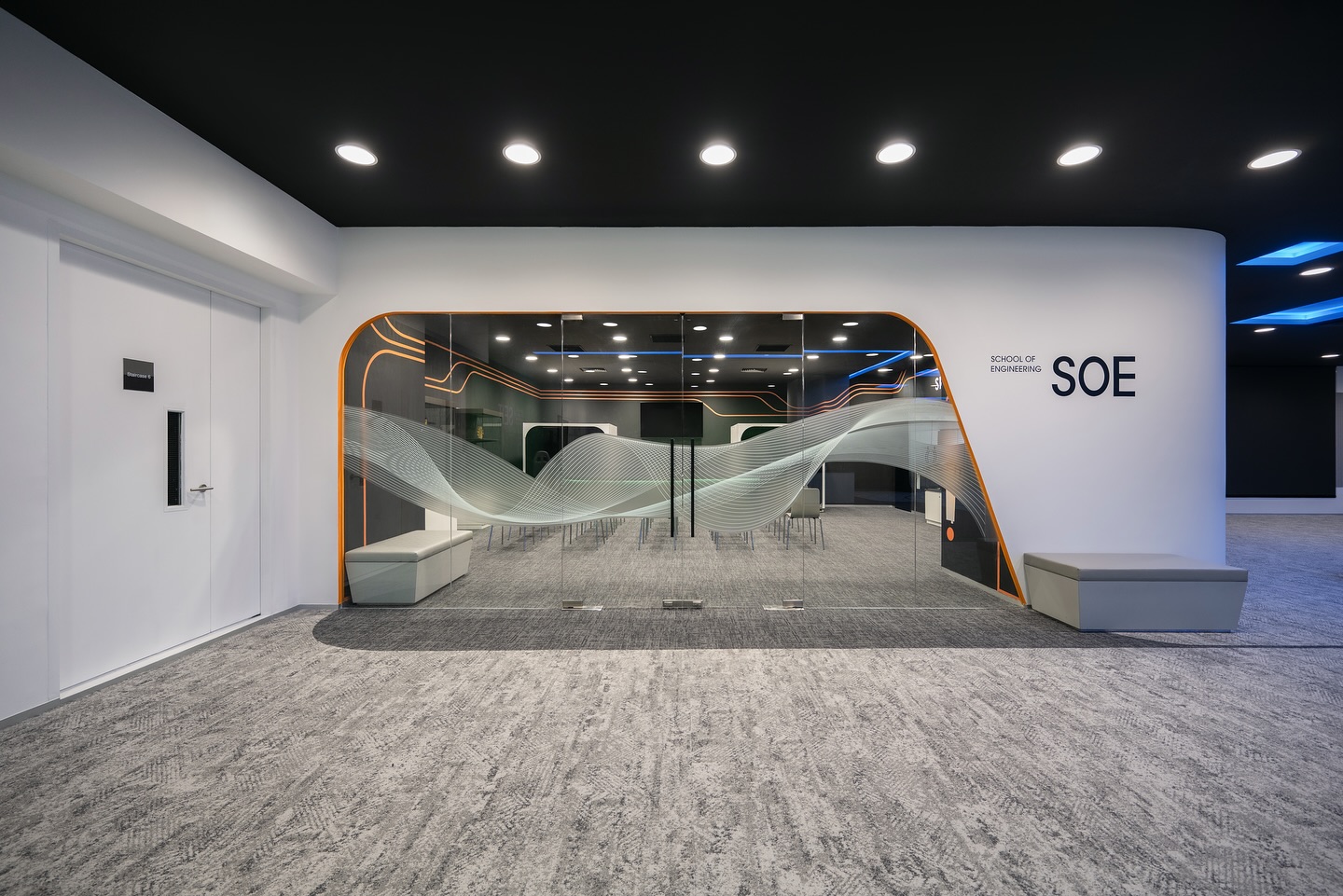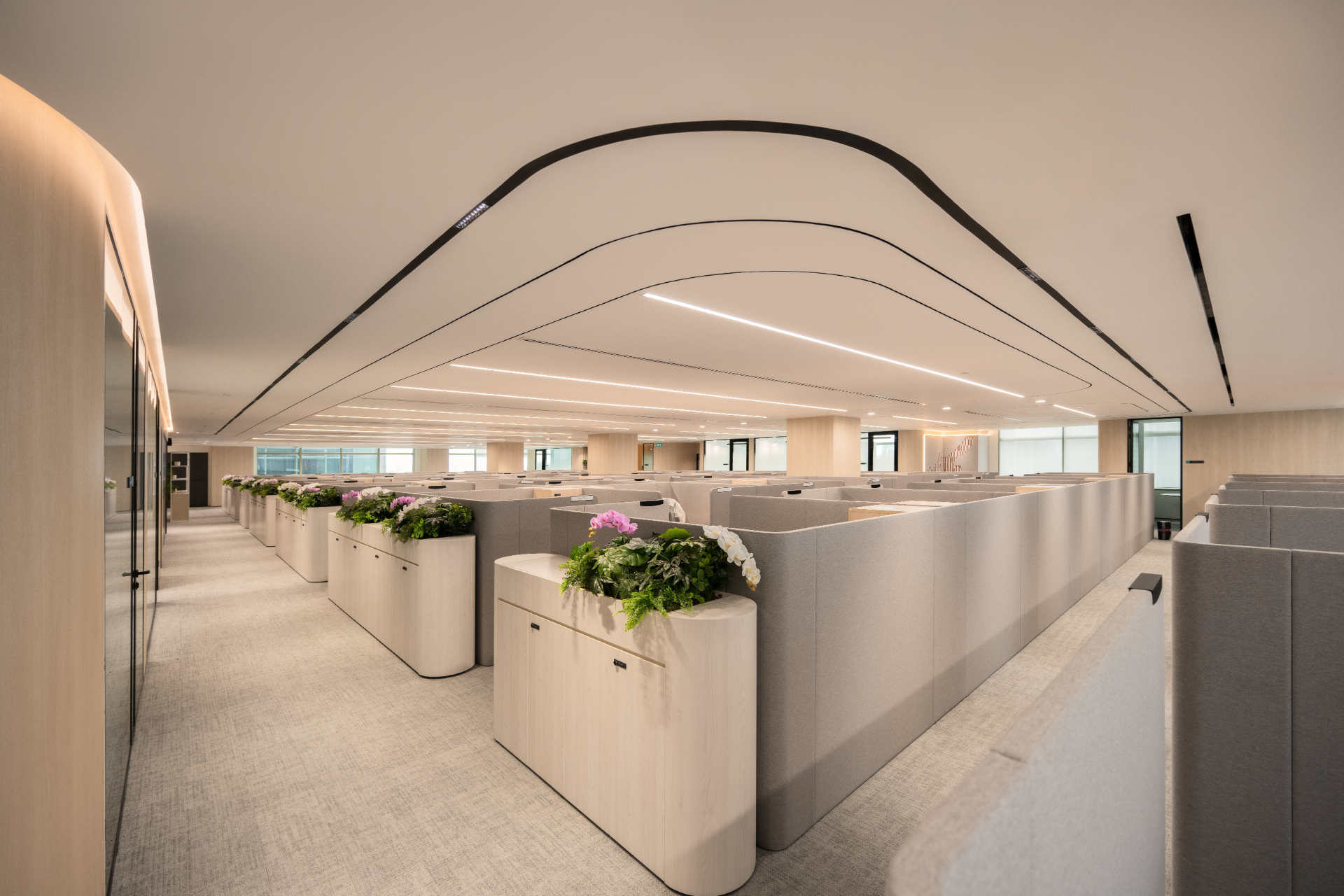
A convincing office before and after transformation usually comes from changes you cannot see in a thumbnail: a better layout, improved daylight and lighting, acoustic comfort and a clearer mix of settings. New finishes help, but the real transformation is in how the space works and feels to use.
Key takeaways
- The biggest transformations come from layout, light and acoustics.
- Cosmetic refreshes fade fast if the plan still does not work.
- Daylight access and lighting change perception dramatically.
- A clear mix of settings transforms how teams use the space.
- Measure success by use and satisfaction, not just photos.
Beyond a cosmetic refresh
New paint, carpet and furniture improve appearance, but if the layout still does not fit how people work, the improvement is shallow. The transformations people remember come from rethinking the plan: better circulation, the right balance of focus and collaboration, and settings that match real tasks.
The power of light and acoustics
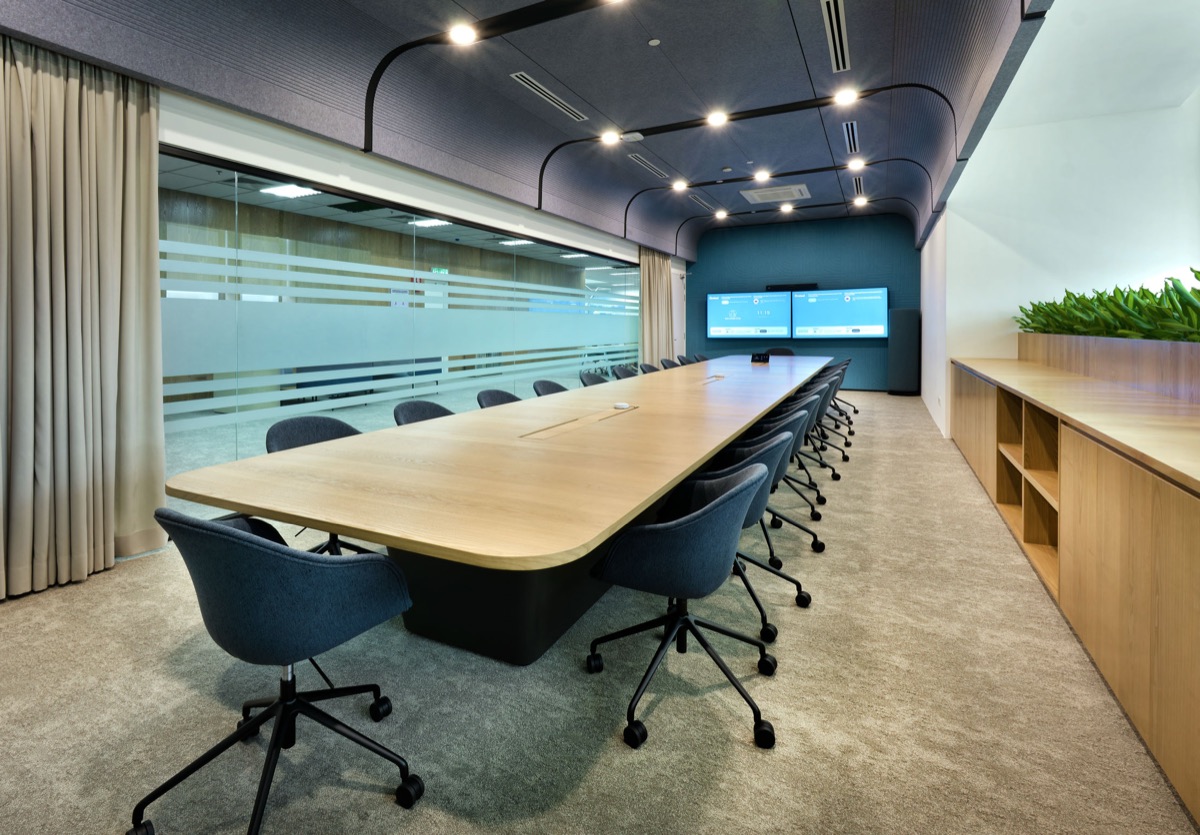
Opening up access to daylight, improving artificial lighting and controlling noise change how a space feels more than almost any finish. A previously dim, loud office becomes calm and pleasant. These are the changes that make a before-and-after feel genuinely different rather than merely redecorated.
Settings and brand
Replacing a uniform floor of desks with a legible range of settings, focus, collaboration, meeting and social, transforms daily experience. Expressing brand through arrival, material and detail adds identity. Together these shift the workplace from functional to engaging.
Measuring the transformation
Judge a redesign by how the space is used and how people feel in it, not only by photographs. A short post-occupancy review against the original brief shows what actually improved. To plan a transformation grounded in how your team works, see our consultancy.
Frequently asked questions
What makes the biggest difference in an office redesign?
Changes to layout, daylight and lighting, and acoustics usually create the biggest transformation. These affect how the space works and feels every day, far more than new finishes alone, which improve appearance but not function.
Is new furniture enough to transform an office?
Rarely on its own. Furniture helps, but if the layout, lighting and acoustics are unchanged, the improvement is cosmetic. A real transformation rethinks how the space is planned and experienced, with furniture as one part of that.
How does lighting change a workplace?
Access to daylight and well-designed artificial lighting change the perception and comfort of a space dramatically. A dim, harshly lit office can become calm and pleasant, which is often the most noticeable part of a before-and-after.
How do I know if my office needs a redesign?
Signs include a layout that no longer fits how teams work, poor acoustics or lighting, a shortage of meeting and focus settings, or a space that feels tired and off-brand. A workplace review clarifies whether a refresh or a replan is needed.
How do I measure a successful office transformation?
Through space utilisation, user satisfaction and whether the new settings support intended behaviours. A post-occupancy review comparing use against the original brief reveals what delivered value, which matters more than how the space photographs.