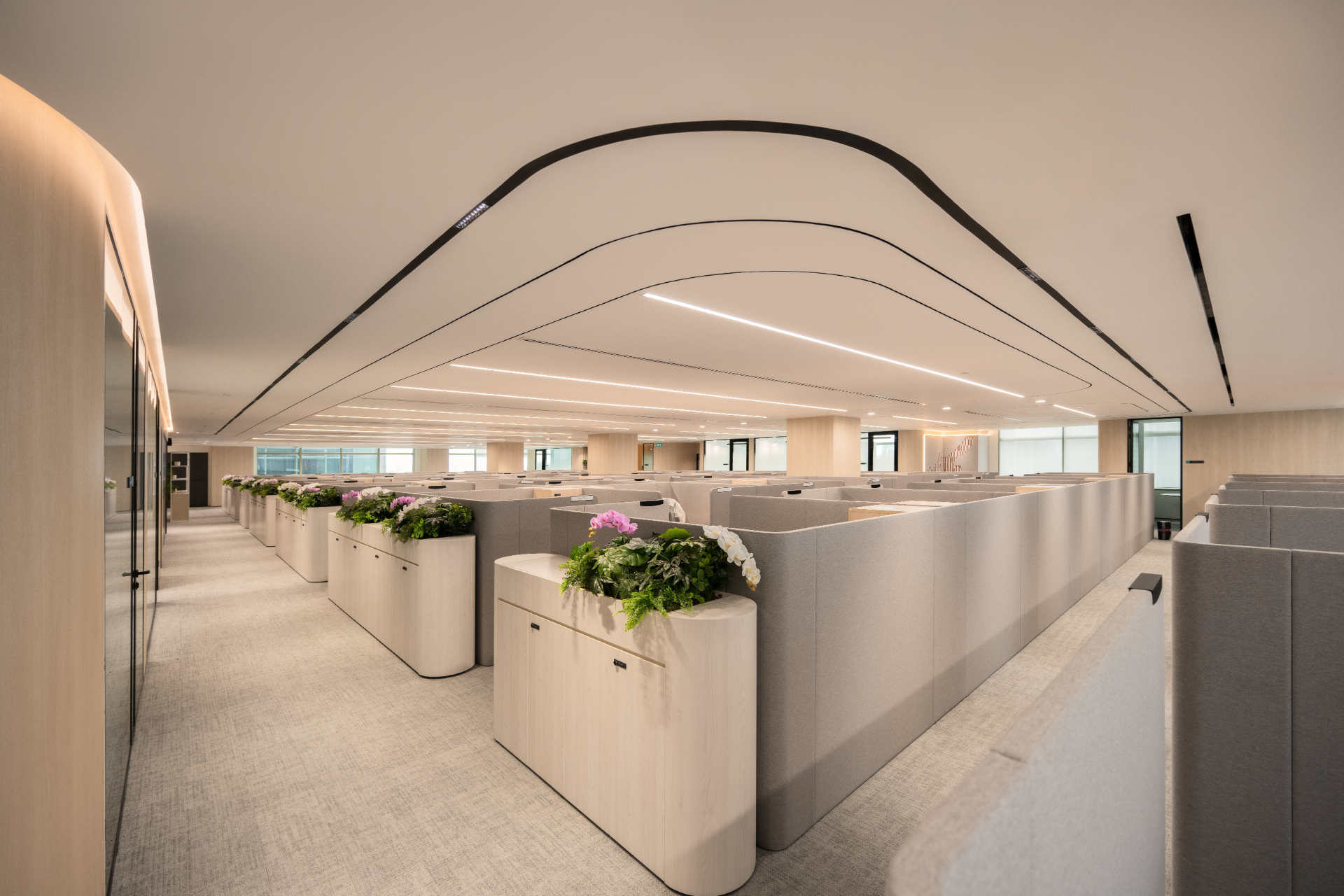
A hybrid office layout plans desks and rooms around actual attendance rather than headcount. Many hybrid offices provide fewer desks than people, supported by shared and bookable settings, plus more small, video-ready meeting and focus rooms than older ratios assumed. Base ratios on your own attendance data and policy, then confirm with a test fit.
Key takeaways
- Plan around attendance, not headcount.
- Many hybrid offices provide fewer desks than people.
- Demand for small, video-ready rooms has risen sharply.
- Provide enough focus and quiet settings or people stay home.
- Use real attendance data, then confirm with a test fit.
How many desks does a hybrid office need?
With hybrid attendance, desks no longer need to equal headcount. The right number comes from busy-day attendance and your sharing policy, supported by bookable and shared settings. A sensible approach plans for a realistic peak with a buffer, not the theoretical maximum of everyone in at once, which wastes space.
Meeting and focus rooms
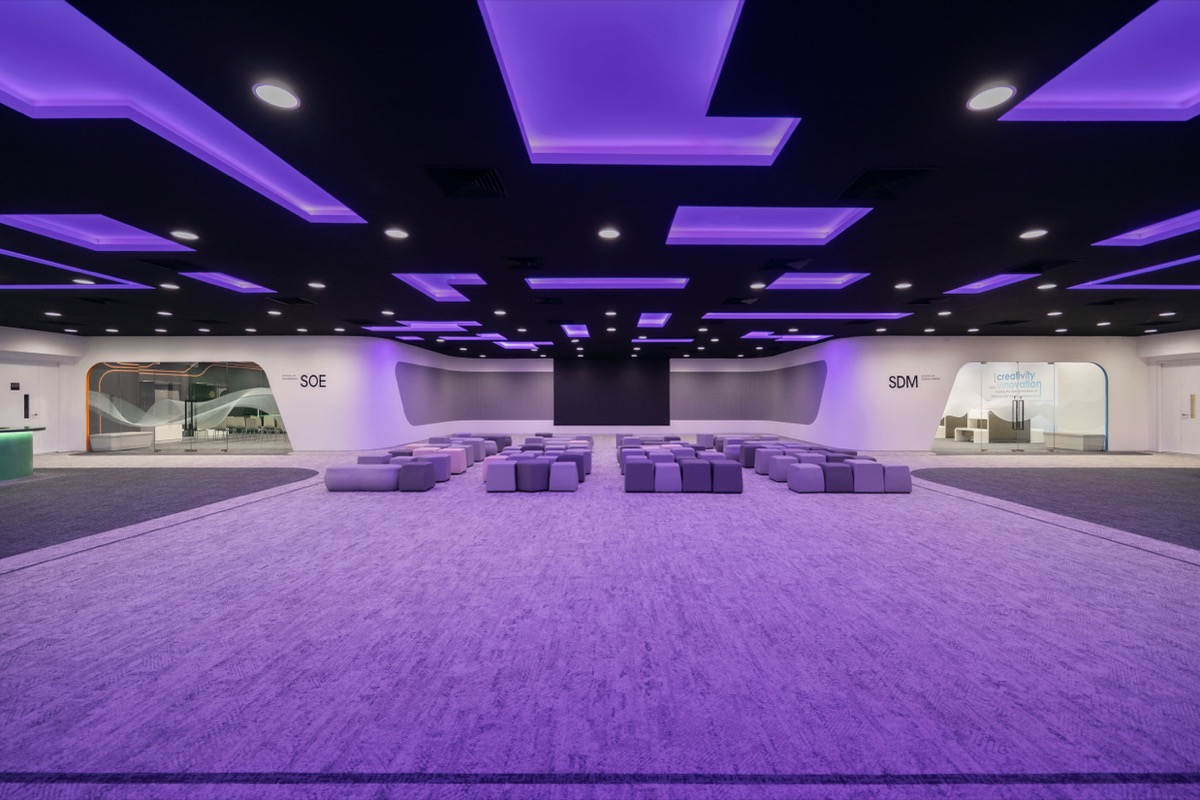
Hybrid work has sharply increased demand for small, video-ready rooms and focus spaces, because people join calls from the office and need quiet. Provide more small rooms and enclosed focus points than older ratios suggested, and fewer large, rarely-used boardrooms. Match room sizes to actual meeting patterns.
Making the office worth the trip
In hybrid models, the office competes with home. It wins when it offers what home cannot: good collaboration settings, quiet focus space, strong technology and a pleasant experience. An office short on focus and meeting space, or uncomfortable, pushes people back home, undermining the point of attendance.
Planning from data
Base decisions on your own attendance patterns and policy, not a generic ratio, then confirm with a test fit before committing. See our guides on office design for 100 employees and activity-based working, or plan with our consultancy.
Frequently asked questions
How many desks does a hybrid office need?
Fewer than headcount in most cases. The right number comes from busy-day attendance and your sharing policy, supported by bookable and shared settings. Plan for a realistic peak with a buffer rather than everyone attending at once, which wastes space.
How many meeting rooms does a hybrid office need?
More small, video-ready rooms and focus spaces than older ratios assumed, because people join calls from the office and need quiet. Match room sizes to actual meeting patterns and provide fewer large, rarely-used boardrooms.
What is a good desk sharing ratio?
It depends on your attendance, but many hybrid offices use ratios below one desk per person, supported by shared settings. Derive the ratio from your real attendance data and policy, then confirm it with a test fit rather than applying a generic figure.
How do I make employees want to come to the office?
Offer what home cannot: good collaboration settings, quiet focus space, reliable technology and a pleasant experience. An office short on focus and meeting space, or uncomfortable, pushes people back home and undermines the reason for attendance.
How do I plan a hybrid office layout?
Start from your actual attendance patterns and sharing policy, provide enough focus and small meeting rooms, and plan desks for a realistic peak. Then confirm the layout with a test fit before committing, since real data beats generic ratios.