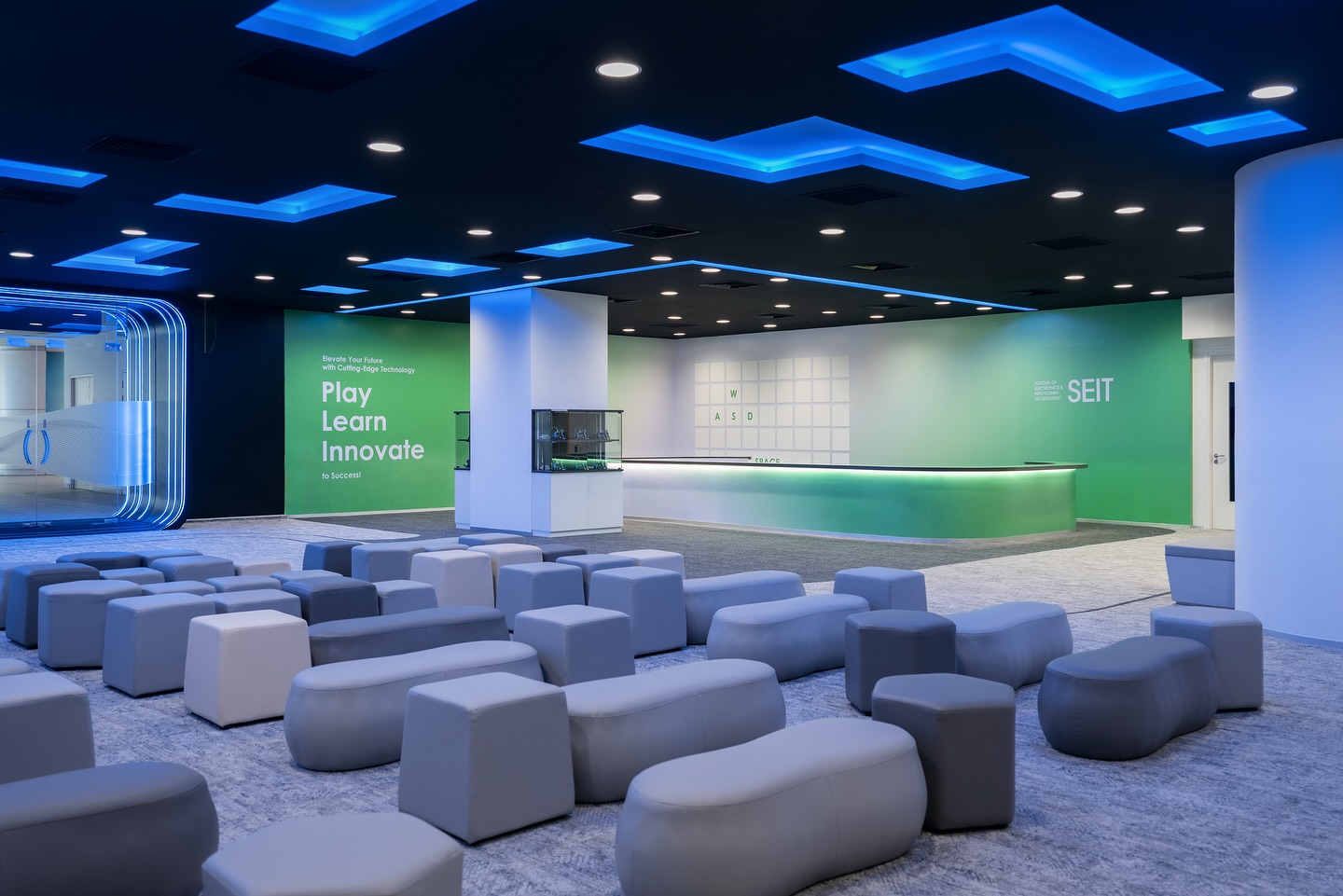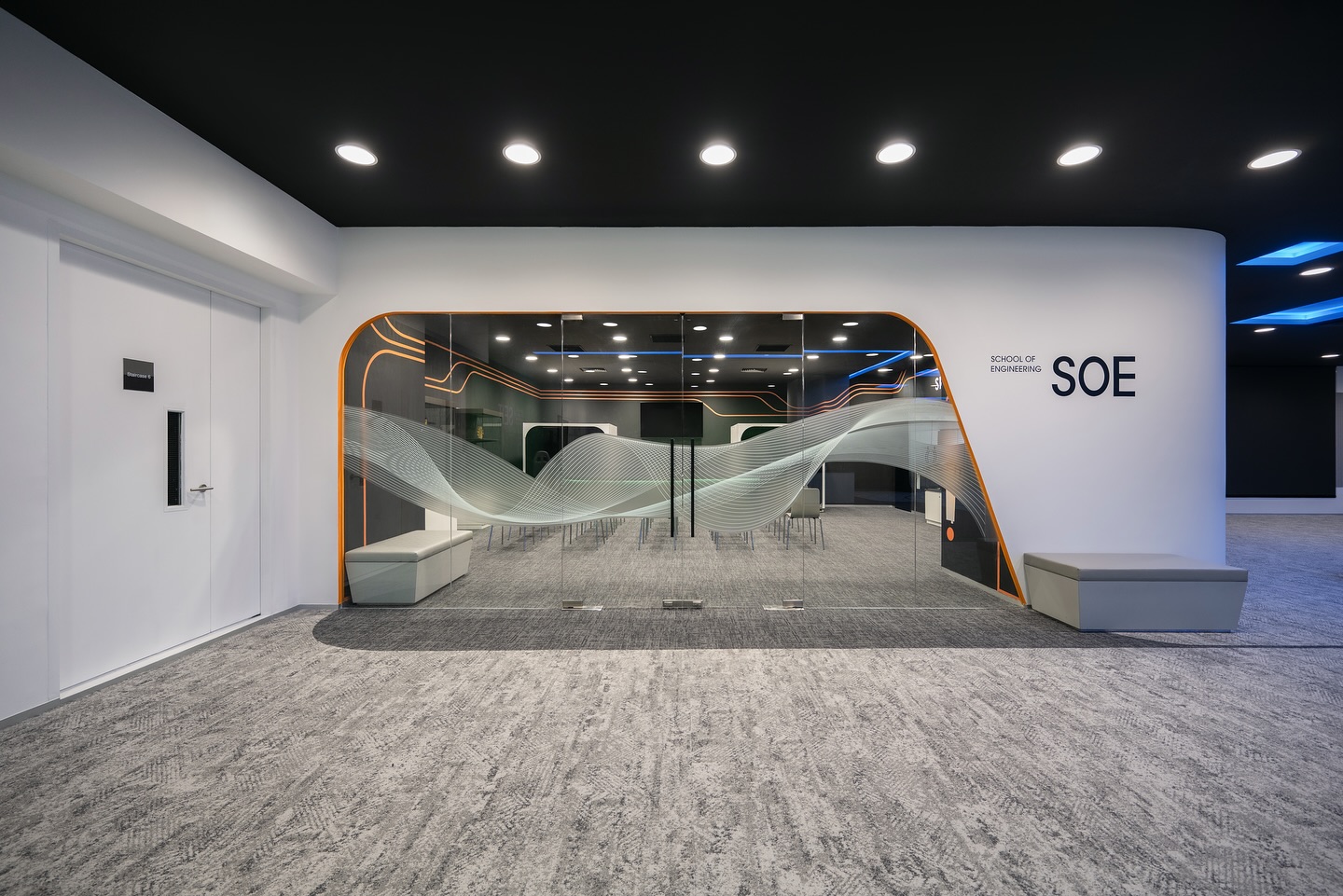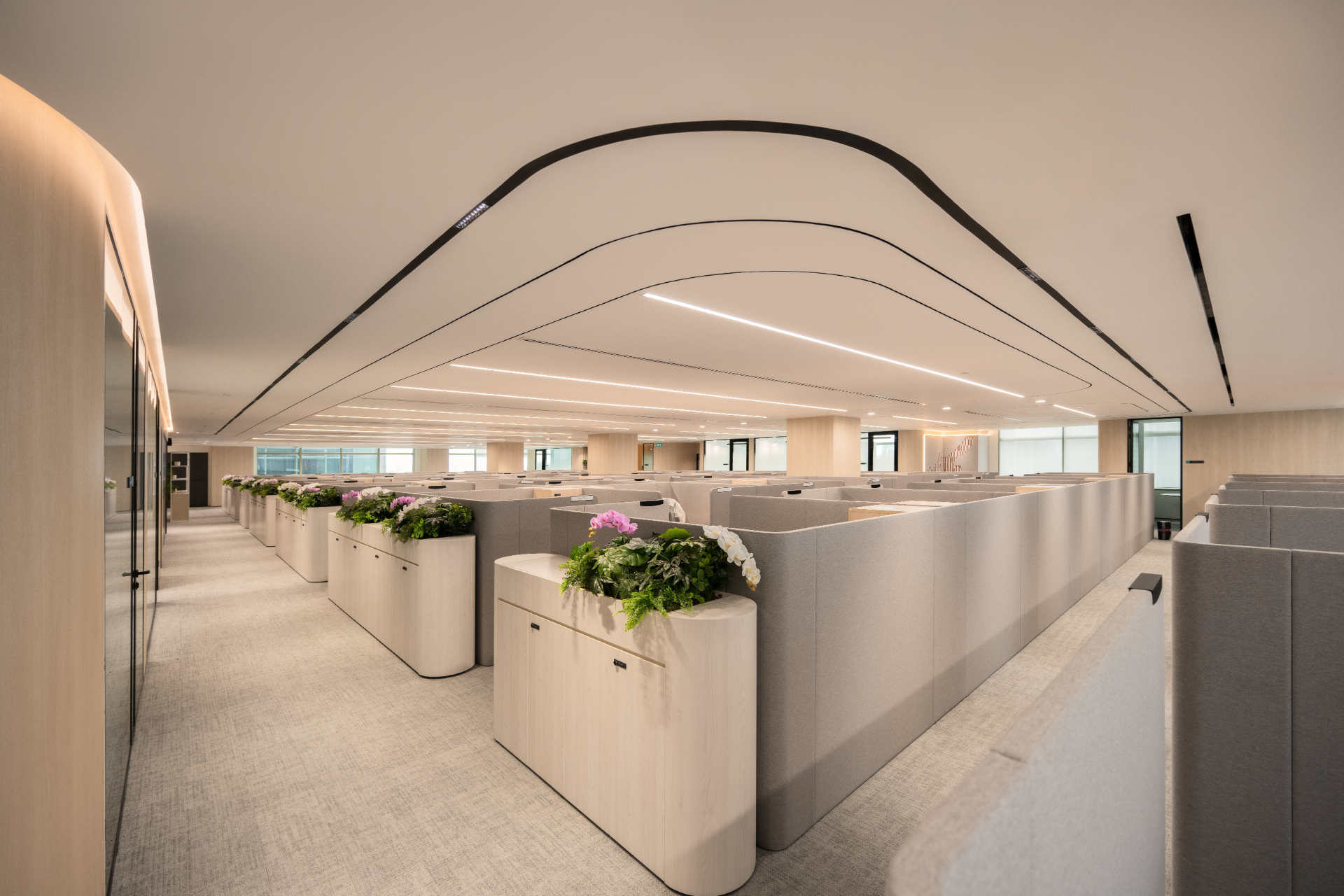
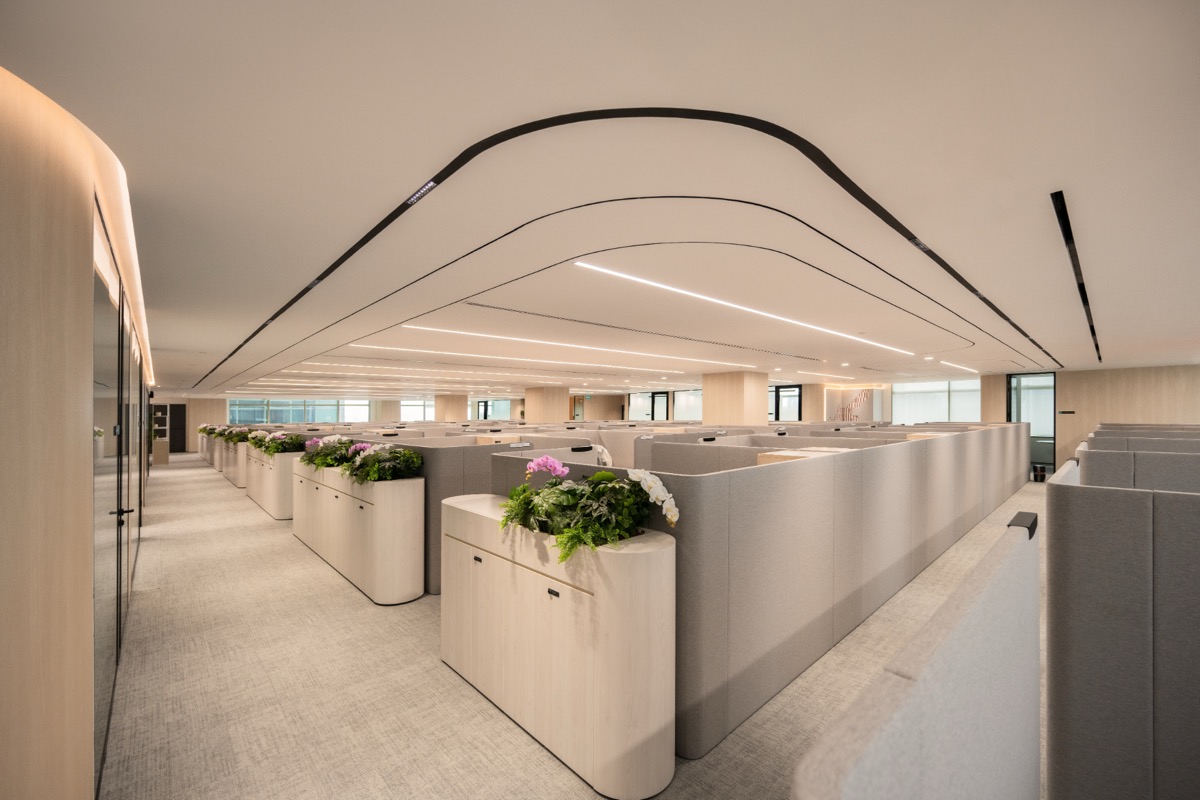
Retail store design shapes how customers move, browse and buy. Strong design plans the entrance and flow, zones the store for discovery and key products, uses lighting and display to guide attention, and expresses the brand, all aimed at improving dwell time, conversion and basket size while keeping operations efficient.
Key takeaways
- Retail design is a sales tool, measured by conversion and basket size.
- Entrance and flow guide how customers move through the store.
- Zoning and merchandising direct attention to key products.
- Lighting and display shape perception and discovery.
- Operations and stock flow must work behind the scenes.
Entrance, flow and zoning
Design starts at the threshold. The entrance, sightlines and circulation path shape how far customers travel into the store and what they see. Zoning, for arrival, discovery, hero products, and checkout, guides the journey. A clear, comfortable flow increases dwell time and exposure to products, which supports conversion.
Merchandising and display
Fixtures, display and adjacencies determine what gets noticed and bought. Flexible merchandising systems let the store adapt to seasons and campaigns. Hero displays and focal points draw customers deeper, while considered adjacencies encourage add-on purchases. Design and merchandising strategy must be planned together.
Lighting, material and brand
Lighting is one of retail's most powerful tools: it directs attention, renders products accurately and sets mood. Material and finish express the brand and signal positioning. Together they create an environment that feels on-brand and makes products look their best, which directly affects perception and sales.
Operations and conversion
Behind the experience, stock flow, fitting rooms, checkout efficiency and durability keep the store running and protect conversion at the final step. A store that looks good but queues or runs out of stock loses sales. Balance experience with operational reality. See our showroom design and design and build guides.
Frequently asked questions
What makes good retail store design?
Good retail design guides customer flow, zones the store for discovery and key products, uses lighting and display to direct attention, and expresses the brand, all while keeping stock flow and checkout efficient. The aim is to improve dwell time, conversion and basket size.
How does store design affect sales?
Through flow, exposure and conversion. The entrance and circulation determine how far customers travel and what they see; zoning and merchandising direct attention; lighting makes products appealing. Each stage influences dwell time, discovery and the likelihood of purchase.
What is zoning in retail design?
Zoning divides the store into areas with distinct roles, such as arrival, discovery, hero product and checkout. It guides the customer journey, controls attention and supports a logical path through the store that increases exposure to products and encourages purchases.
Why is lighting important in retail?
Lighting directs attention, renders products accurately and sets mood. It is one of retail's most powerful tools, making products look their best and highlighting focal displays. Poor lighting flattens a store and undersells products, while good lighting lifts perception and sales.
How do I balance experience and operations in a store?
Design the customer experience and the operational backbone together. Plan stock flow, fitting rooms, checkout and durability alongside display and brand. A store that looks good but queues or runs out of stock loses sales, so operations must support the experience.