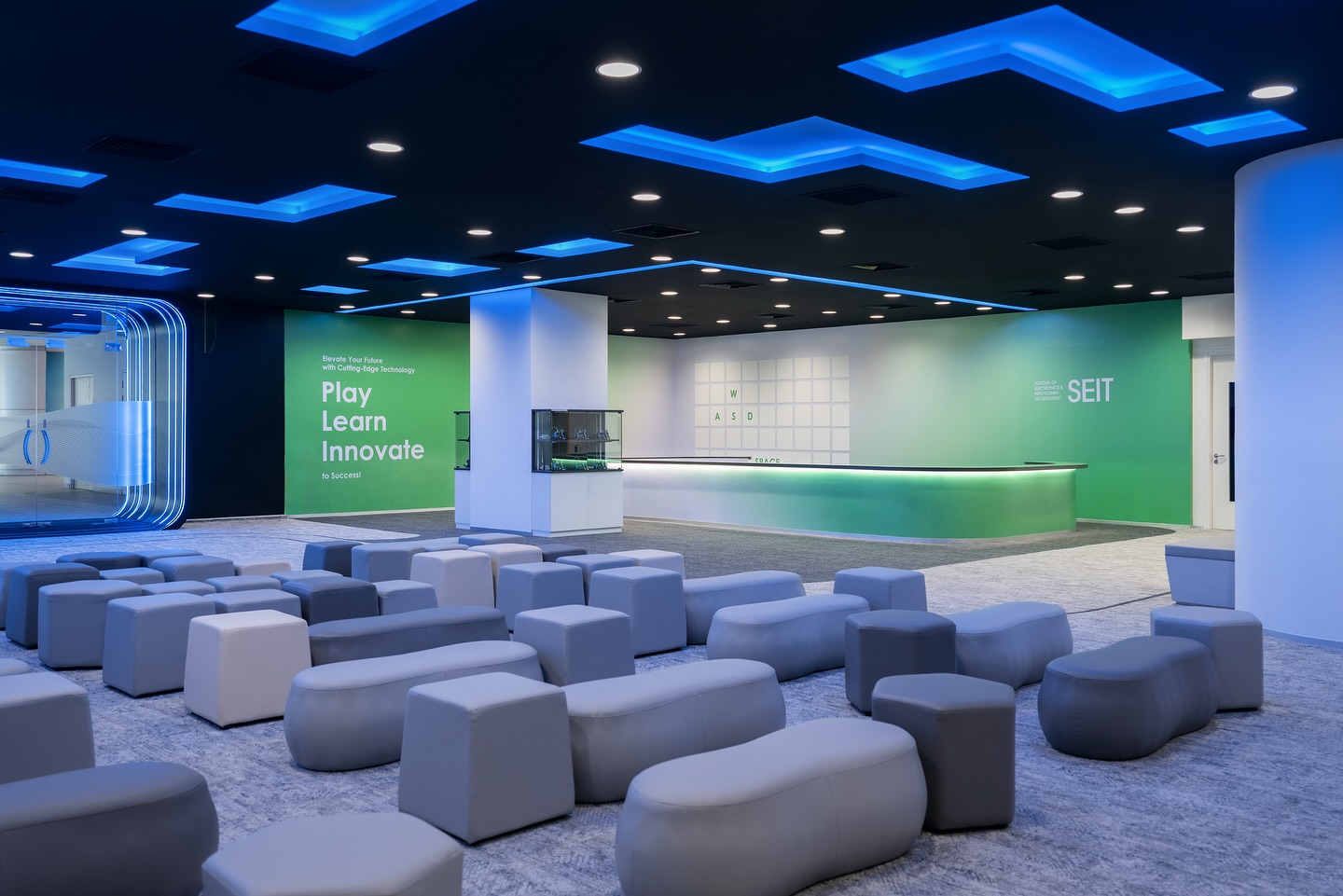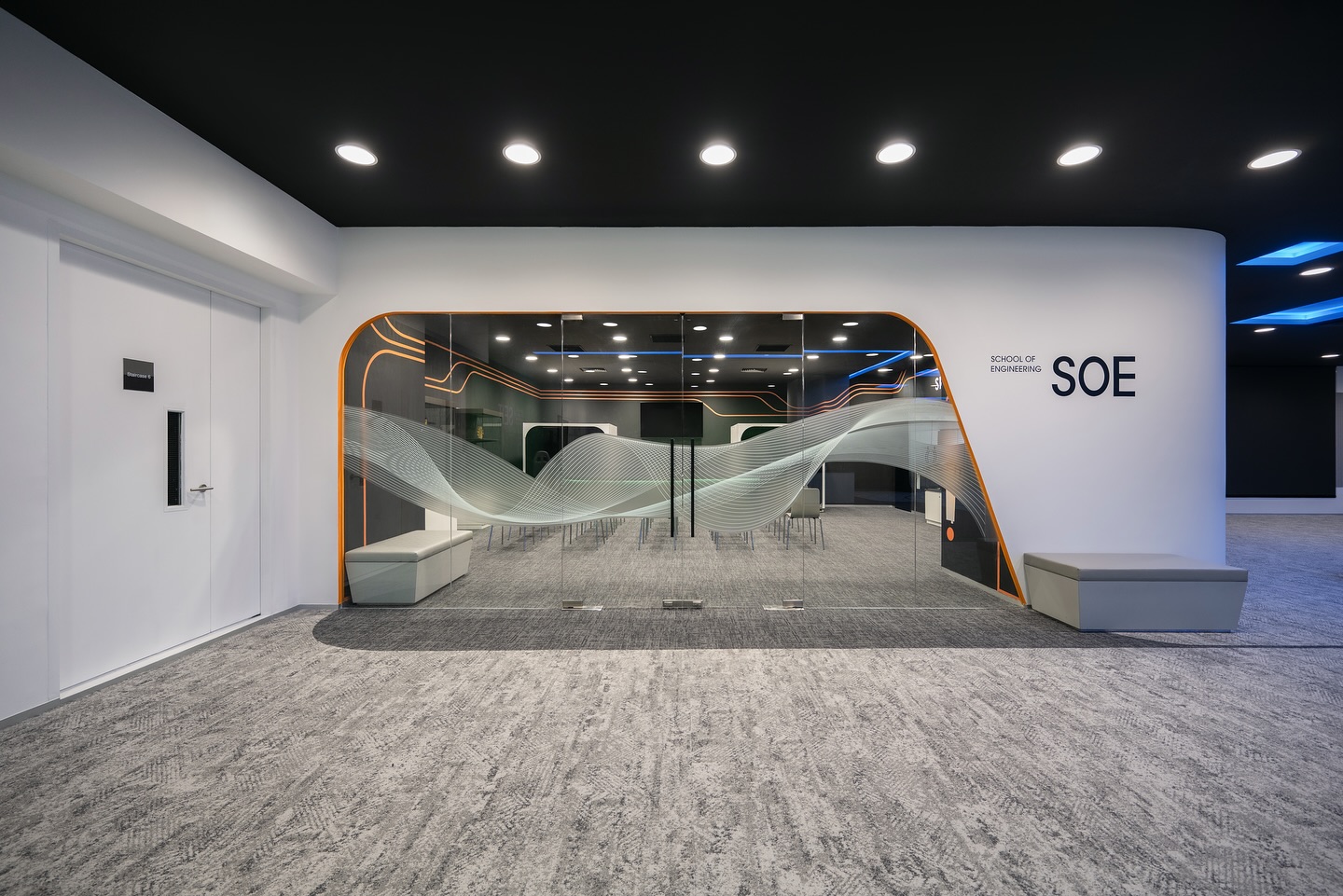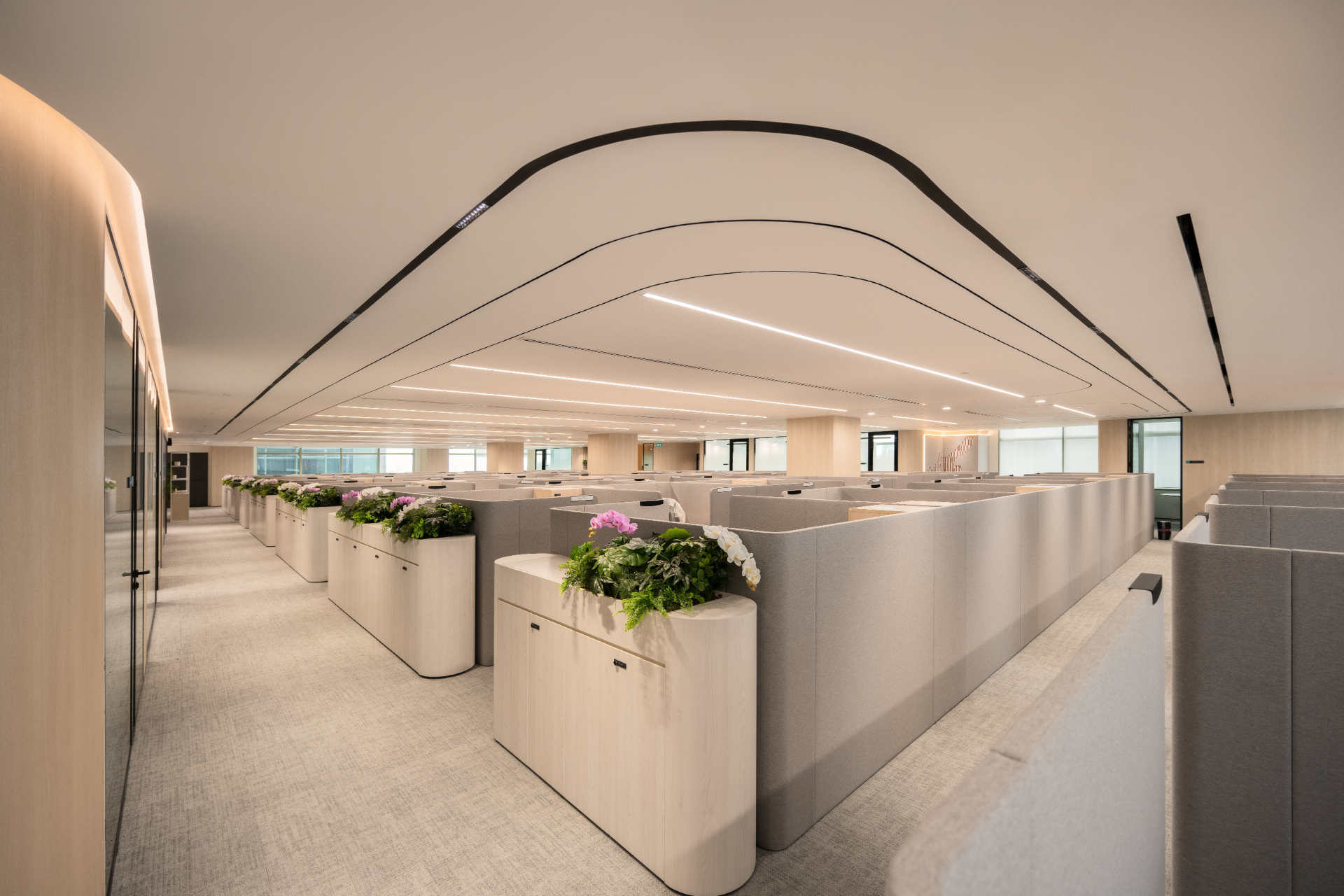
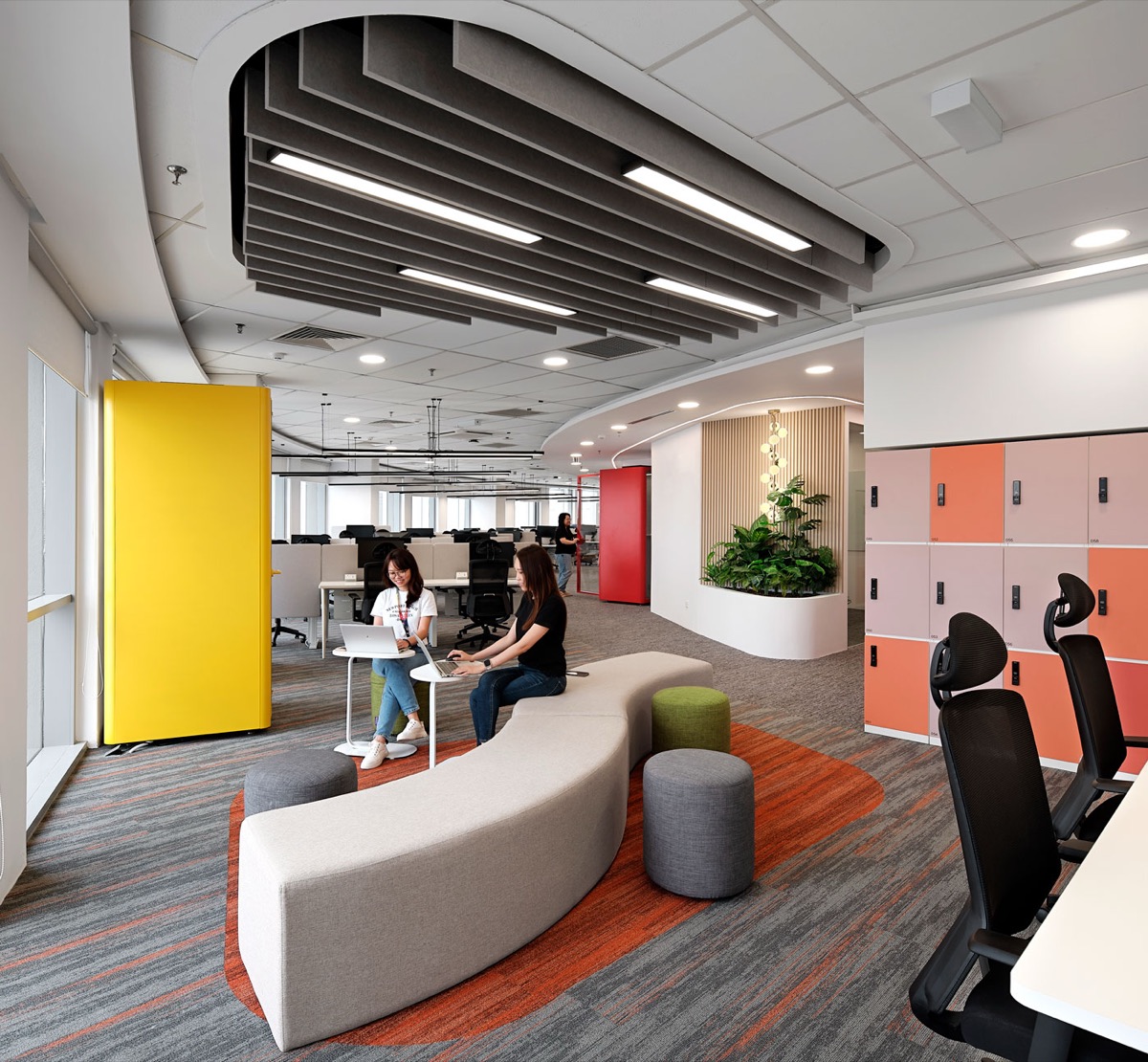
Showroom interior design turns physical space into a sales tool by presenting products at their best, guiding visitors through a deliberate journey, creating an immersive brand experience, and supporting sales conversations. Flexible display, strong lighting and a clear narrative matter more than filling the floor with stock.
Key takeaways
- A showroom exists to sell, inform and build brand belief.
- Curated presentation beats cramming in every product.
- A deliberate visitor journey guides attention and interest.
- Lighting and staging make products compelling.
- Space for sales conversations converts interest to orders.
Product presentation and curation
A showroom works by showing products at their best, not by displaying everything. Curated, well-staged presentation lets each product or range stand out and tells a clearer story than a crowded floor. Flexible display systems allow the showroom to change with new products, seasons and campaigns.
The visitor journey
Design a deliberate path that introduces the brand, builds interest and leads toward key products and decisions. Zoning, sightlines and focal points guide visitors naturally. A considered journey keeps attention and builds the narrative, rather than leaving visitors to wander without direction.
Brand experience and lighting
Showrooms are immersive brand environments. Lighting, material and detail make products compelling and express positioning. Strong lighting in particular transforms how products are perceived. The goal is a space that makes visitors feel the brand and want the product, supporting the emotional side of the decision.
Supporting the sale
Showrooms usually host conversations, so include comfortable spaces for discussion, configuration or quoting near the relevant products. This bridges inspiration and decision. For related formats, see our retail store design guide and design and build service.
Frequently asked questions
What makes a good showroom design?
A good showroom presents products at their best, guides visitors through a deliberate journey, creates an immersive brand experience and supports sales conversations. Curated presentation, strong lighting and a clear narrative matter more than filling the floor with every product.
How is a showroom different from a retail store?
A showroom focuses on presentation, brand experience and supporting considered purchases or orders, often with sales conversations, rather than high-volume transactions. Display is more curated and the visitor journey more narrative, with space for discussion and configuration.
Why is lighting important in a showroom?
Lighting makes products compelling and shapes how they are perceived. Well-designed, focused lighting highlights key products and expresses brand positioning. Poor lighting flattens products and weakens the experience, while strong lighting can transform perceived quality and desirability.
Should a showroom display every product?
No. Curated, well-staged presentation tells a clearer story and makes each product stand out more than a crowded floor. Flexible display systems let the showroom rotate products and adapt to campaigns, keeping the experience focused and current.
How does a showroom support sales?
By creating desire through presentation and brand experience, then providing comfortable spaces for conversations, configuration or quoting near the relevant products. This bridges inspiration and decision, converting visitor interest into orders within the same space.