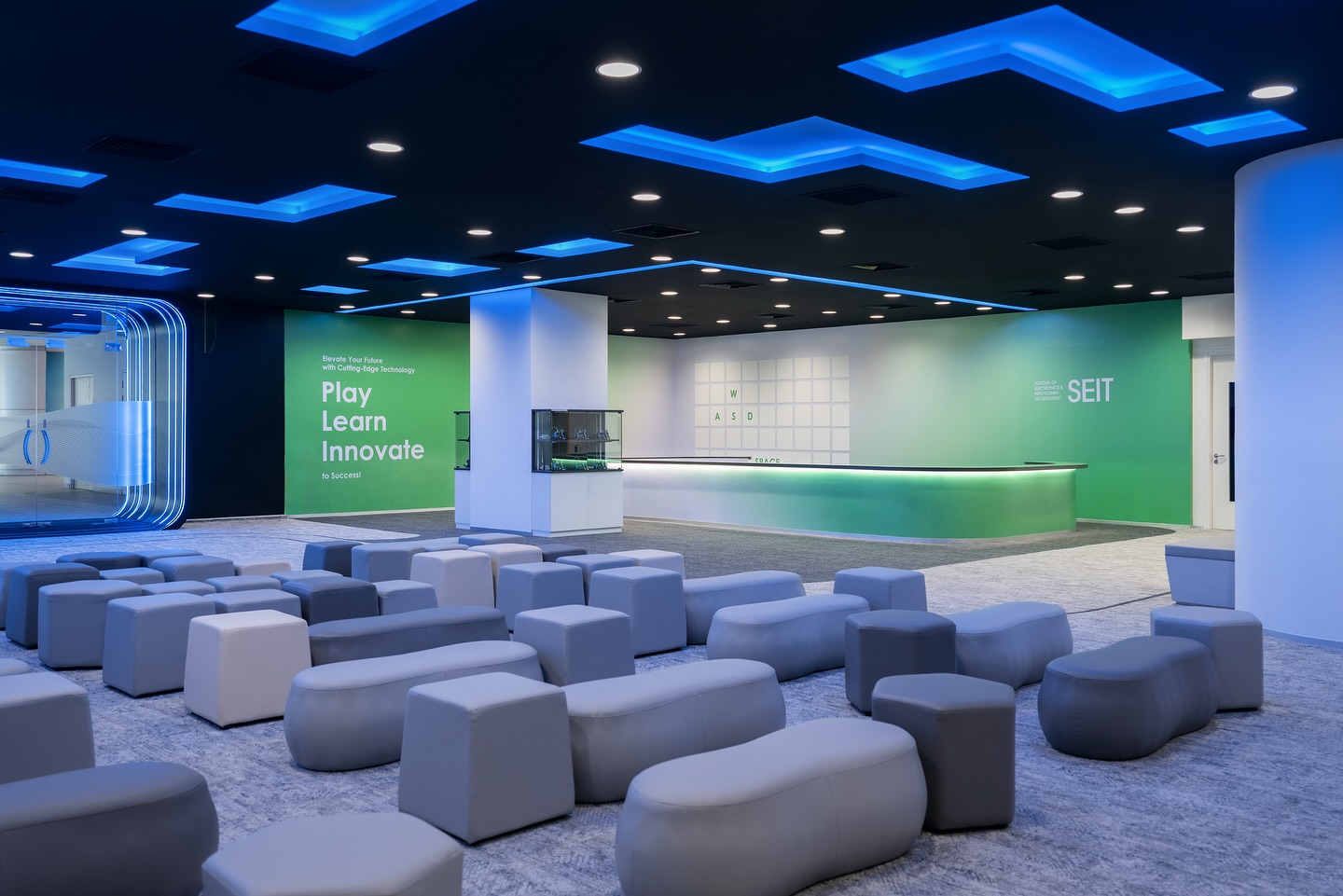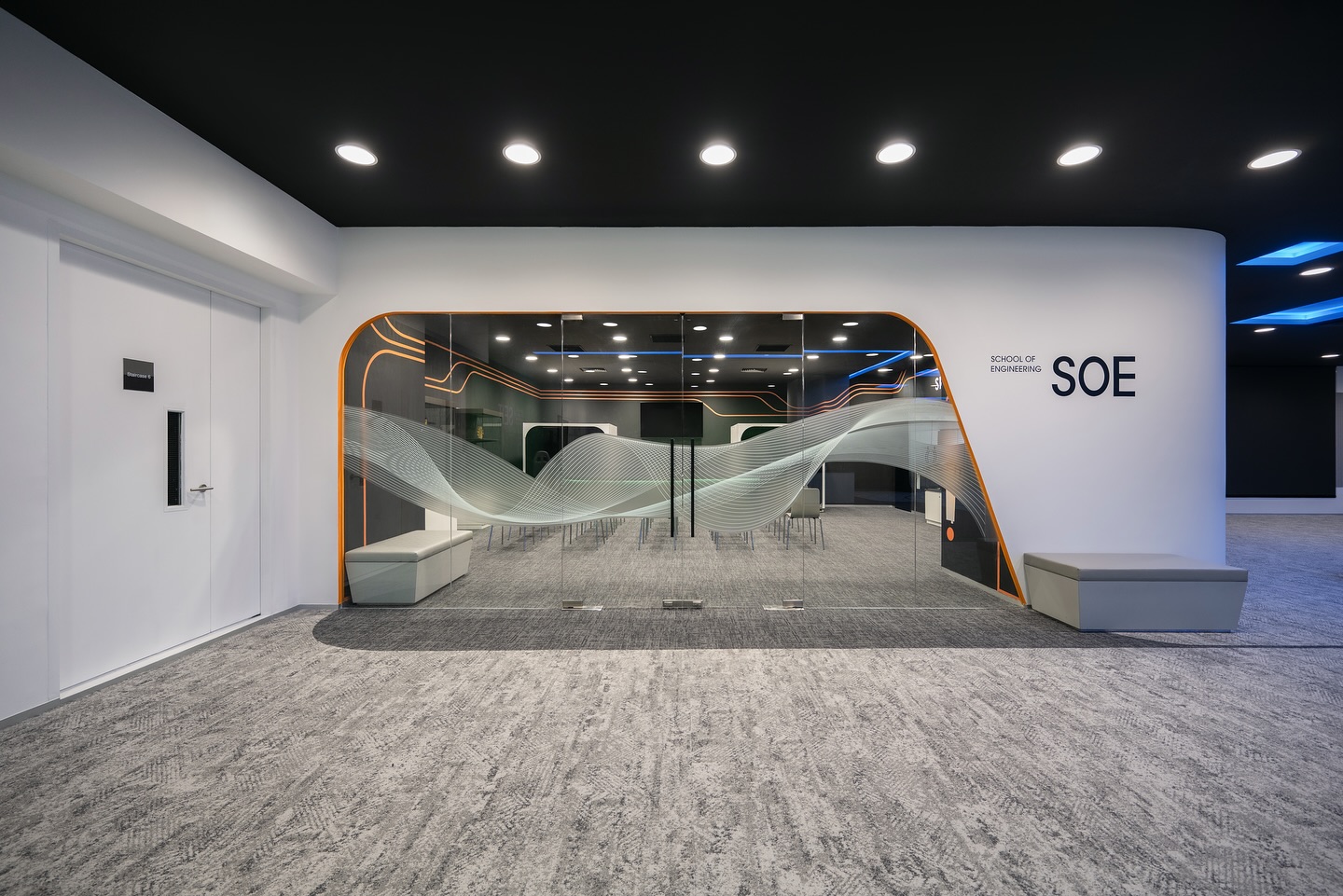
Education interior design creates flexible, healthy and inclusive learning environments. It provides adaptable classrooms and varied settings for different teaching styles, prioritises acoustics, daylight, air quality and wellbeing, and supports accessibility and inclusion, so spaces help students of different needs learn and feel comfortable.
Key takeaways
- Learning spaces should flex for varied teaching and activities.
- Acoustics, daylight and air quality affect learning directly.
- Varied settings support collaboration, focus and presentation.
- Inclusion and accessibility are core, not add-ons.
- Durable, safe materials suit intensive daily use.
Flexible learning environments
Teaching has moved beyond rows of desks. Modern learning spaces flex between whole-class teaching, group work, individual focus and presentation. Adaptable furniture, writable surfaces, technology and varied settings let one space support different activities, and let teachers reconfigure quickly. Flexibility future-proofs the investment as pedagogy evolves.
Health, acoustics and daylight
Environmental quality affects learning and wellbeing measurably. Good acoustics help students hear and concentrate; daylight and quality lighting support alertness; fresh air and comfortable temperature aid focus. These fundamentals often matter more to outcomes than decorative features, and should be prioritised in the brief.
Inclusion and accessibility
Learning environments serve diverse students, so inclusion and accessibility are central. Step-free access, clear wayfinding, sensory-aware design and a choice of settings help students with different needs participate and feel comfortable. Inclusive design benefits the whole student body, not only those with specific requirements.
Durability and safety
Education spaces take heavy, daily use, so durable, safe, easy-maintain materials are essential, alongside safety and accessibility compliance. Robust design keeps spaces working and affordable to run over time. For related inclusive principles, see our inclusive design guide and consultancy.
Frequently asked questions
What makes good education interior design?
Good education design creates flexible, healthy and inclusive learning environments. It provides adaptable classrooms and varied settings, prioritises acoustics, daylight and air quality, and supports accessibility and inclusion, so spaces help diverse students learn and feel comfortable.
Why is flexibility important in learning spaces?
Because teaching now spans whole-class instruction, group work, individual focus and presentation. Adaptable furniture, technology and varied settings let one space support different activities and let teachers reconfigure quickly, future-proofing the space as pedagogy evolves.
How does the environment affect learning?
Measurably. Good acoustics help students hear and concentrate, daylight and quality lighting support alertness, and fresh air and comfortable temperature aid focus. These environmental fundamentals often influence outcomes more than decorative features.
How do you make learning spaces inclusive?
Through step-free access, clear wayfinding, sensory-aware design and a choice of settings that help students with different needs participate and feel comfortable. Inclusive design is built in from the brief and benefits the whole student body, not only some.
Why does durability matter in education design?
Because learning spaces take heavy, daily use. Durable, safe, easy-maintain materials keep spaces functional and affordable to run over time, while meeting safety and accessibility requirements. Robust design protects the investment and the learning experience.